


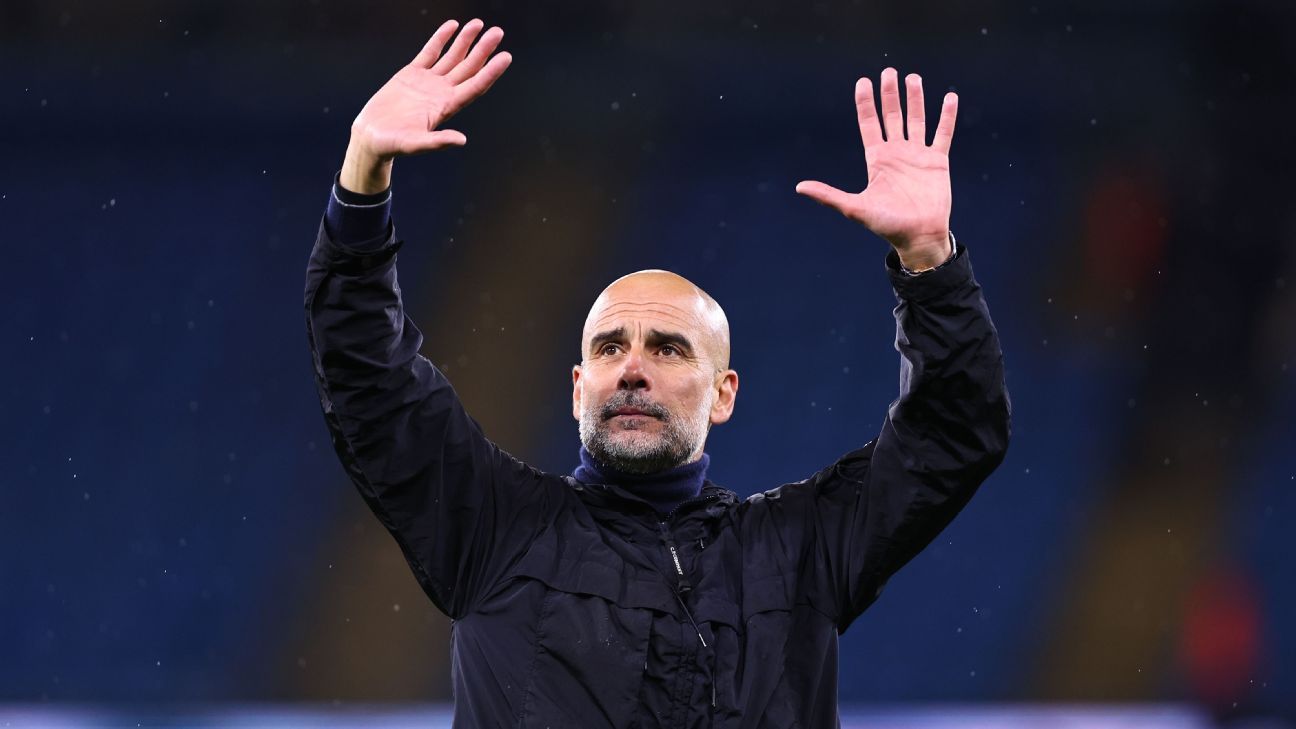
Josep Guardiola’s long-anticipated departure from Manchester City was officially confirmed on Friday, marking the end of a transformative era in English football. Signs of his exit had been evident for some time, culminating in this significant announcement.
Guardiola’s unannounced visit to Edgeley Park for Stockport County’s Third Division match against Port Vale at the end of April serves as a notable example of his relationship with the game. The official word was that he wished to honor a promise to Mark Stott, the owner of Stockport and Guardiola’s landlord. However, in a press conference just three days later, Guardiola humorously dismissed the Champions League semi-final between Paris Saint-Germain and Bayern Munich, suggesting he had nothing better to do that evening. Those close to him hint that this surprise visit reflected not just a duty to a friend, but also a deep-seated passion for the essence of English football developed over a decade in the country.
Guardiola’s Influence on English Football
During his tenure, the 55-year-old frequently returned to his hometown of Barcelona whenever time allowed. Nevertheless, as he recognized that his time at City was winding down, he chose to immerse himself in the grassroots vibe of Stockport, demonstrating his appreciation for football’s lower leagues.
Friday’s announcement made it clear that his final match will be against Aston Villa, concluding a decade at the Etihad Stadium that was filled with trophies and accolades. Premier League fans, particularly those loyal to City, will undoubtedly feel his absence, but it is English football itself that he indicates he will miss dearly.
Guardiola has often expressed his affection for traditional venues, such as Selhurst Park, which has stood for over a century amid residential surroundings in South London. Similarly, Goodison Park held a special place in his heart before Everton’s transition to Hill Dickinson Stadium. His fondness for the FA Cup stems from its tradition of including clubs like Leyton Orient and Swansea City, where smaller grounds and intense rivalries create an unforgettable atmosphere.
Legacy and Achievements
Guardiola’s impact on English football cannot be overstated. His influence has rippled across various clubs and levels, fundamentally altering the landscape of the game. At a recent PFA Player of the Year ceremony, industry veteran Dean Lewington highlighted Guardiola’s far-reaching impact, noting how his philosophies had changed the approach within lower leagues. Despite this, Guardiola remains humble, insisting that he measures success by his team’s achievements rather than his own tactical innovations.
Since taking charge at Manchester City in 2016, Guardiola has consistently ranked among the top three in the Premier League, a feat unmatched by rivals. While Liverpool claimed two titles during his tenure, they also struggled to maintain consistency, finishing outside of the top three multiple times. Under Guardiola, City never missed a Champions League qualification, demonstrating his relentless pursuit of excellence.
Preparing for the Future
As Guardiola readies to exit, the club has proactively considered its next steps. The timing of his departure, particularly after securing the FIFA Club World Cup title, has motivated discussions around his successor. Enzo Maresca, Guardiola’s former assistant, is seen as a prime candidate to take the reins, bolstered by existing rapport with pivotal players like Erling Haaland and Ruben Dias.
The challenges of replacing a manager of Guardiola’s caliber are significant, as demonstrated by the struggles faced by other clubs post-transition. Manchester United’s decline following Sir Alex Ferguson’s retirement and Arsenal’s recent revival highlight the complexities involved. However, City appears prepared for a transitioning phase, with a young and dynamic squad poised for continued success.
While off-field issues related to potential penalties linked to recent charges might pose uncertainties, City hopes to retain the core principles instilled by their Catalan manager. Guardiola himself has acknowledged the monumental shifts in mentality he has fostered at the club, even if he downplays the extent of his own influence. Ultimately, as he departs, Guardiola leaves behind a reformed club and a dynamic chapter in English football history.
