


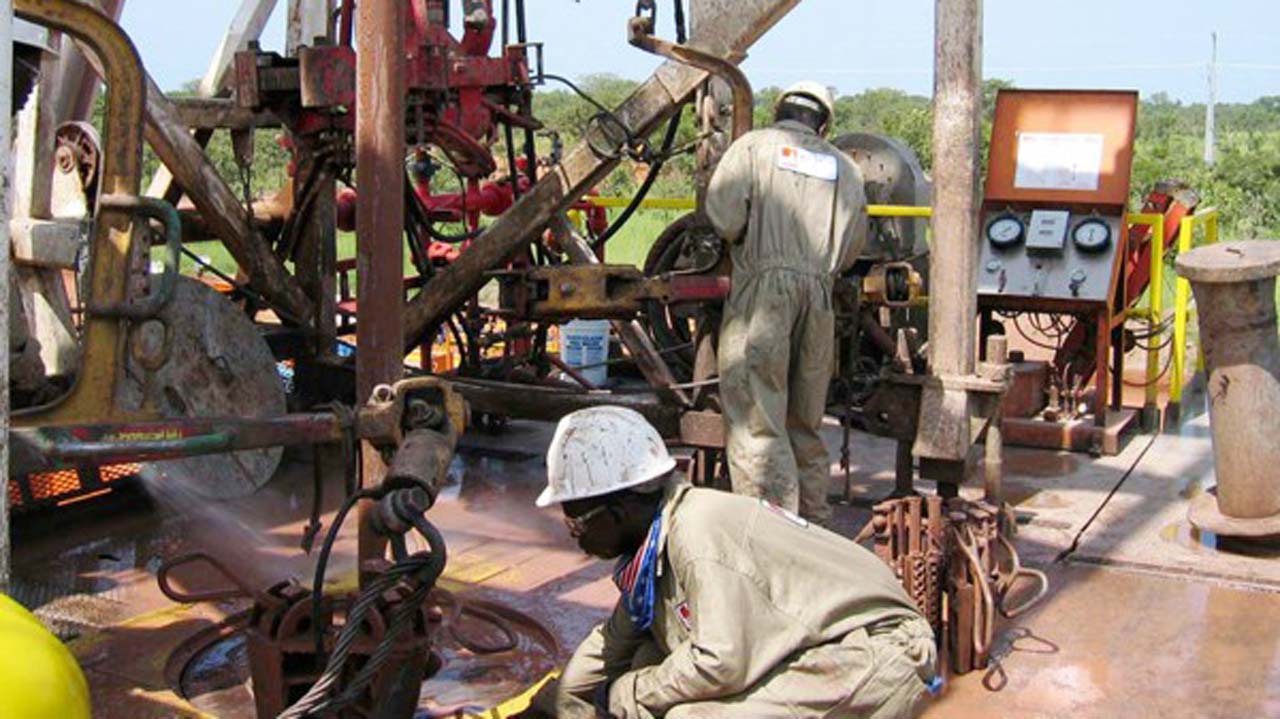
The Dual Nature of Nigeria’s Oil Wealth
The discovery of oil in Nigeria has often been described as a double-edged sword, with key figures in the petroleum industry highlighting both its potential and pitfalls. Juan Pablo Pérez Alfonso, a founding member of OPEC, famously noted the toxic impact of oil dependence, while Sheikh Ahmed Yamani, Saudi Arabia’s former Minister of Petroleum, lamented the missed opportunities for more sustainable resources. Despite the significant treasure found beneath its soil, Nigeria’s overreliance on oil export revenues has led to what experts term the ‘resource curse,’ stunting economic growth and diversification. Six decades post-independence, Nigeria continues to grapple with poverty and limited industrial development.
The Consequences of Oil Dependence
The relentless emphasis on oil has stifled Nigeria’s economic potential and hindered the development of other vital sectors. With the COVID-19 pandemic exposing the vulnerabilities of such a dependent economy, the consequences have become increasingly evident. Nigeria remains a major net exporter of crude oil, but paradoxically imports a significant portion of its manufactured goods. This scenario perpetuates a cycle of debates regarding fuel subsidies and reveals the country’s colonial legacy as a raw materials supplier, rather than a processor of added-value products.
Exporting Low Value
In 2020, Nigeria’s exports were valued at $33.5 billion, with crude oil comprising an astounding 75.4% of that total. When compared to countries like Malaysia, which exported $234 billion in goods in the same year, Nigeria’s figures indicate stagnation. While Malaysia has embraced vertical diversification, investing in sectors ranging from high-tech electronics to refined petroleum, Nigeria’s oil dependency inhibits progress, leaving manufacturing contributions to GDP below 10% for decades.
Strain on the Economy
Despite the country’s significant oil exports, the oil and gas sector’s contribution to GDP remains disproportionately low, highlighting the economy’s under-diversified structure. OPEC reported that Nigeria incurred $264.57 billion in petroleum product imports between 2015 and 2020, leading to a staggering net import deficit in petroleum products. The entrenched reliance on oil has not only hindered the establishment of robust manufacturing capabilities but has also created employment challenges across sectors that could otherwise drive growth.
Resource Curse and Stagnation
The so-called “resource curse” illustrates the paradox of sluggish economic growth in resource-rich countries. Despite Nigeria’s wealth of oil, the concentration of economic activity within the oil sector hinders industrial development and the potential for tradable manufacturing. The reality remains that much of Nigeria’s manufactured goods, particularly in sectors relevant to oil production, are imported rather than domestically produced, limiting the sector’s interconnectivity with a growing national economy.
Social Inequality Amid Abundance
Nigeria’s wealth of natural resources has precipitated stark disparities in wealth and quality of life. The Human Development Index ranked Nigeria 161st in 2019, a disheartening reflection of the broader challenges faced by oil-rich nations in sub-Saharan Africa. In contrast, countries that have successfully harnessed their resources to fuel manufacturing growth, particularly in Asia, offer lessons in diversification and innovation that Nigeria has yet to fully embrace.
Pathways to Change
The key to reversing Nigeria’s fortunes lies in economic diversification and development. Addressing systemic issues, including the pervasive culture of corruption and short-term focus of many political leaders, is essential. As investment in the hydrocarbon industry begins to decline in response to global emissions targets, Nigeria’s opportunities in agriculture and agribusiness have never been more critical. With ample land and resources, the establishment of Special Agro-Processing Zones could pave the way for a more resilient economy. The urgency for transformation is clear: Nigeria must break free from its reliance on oil and harness its full economic potential.
