


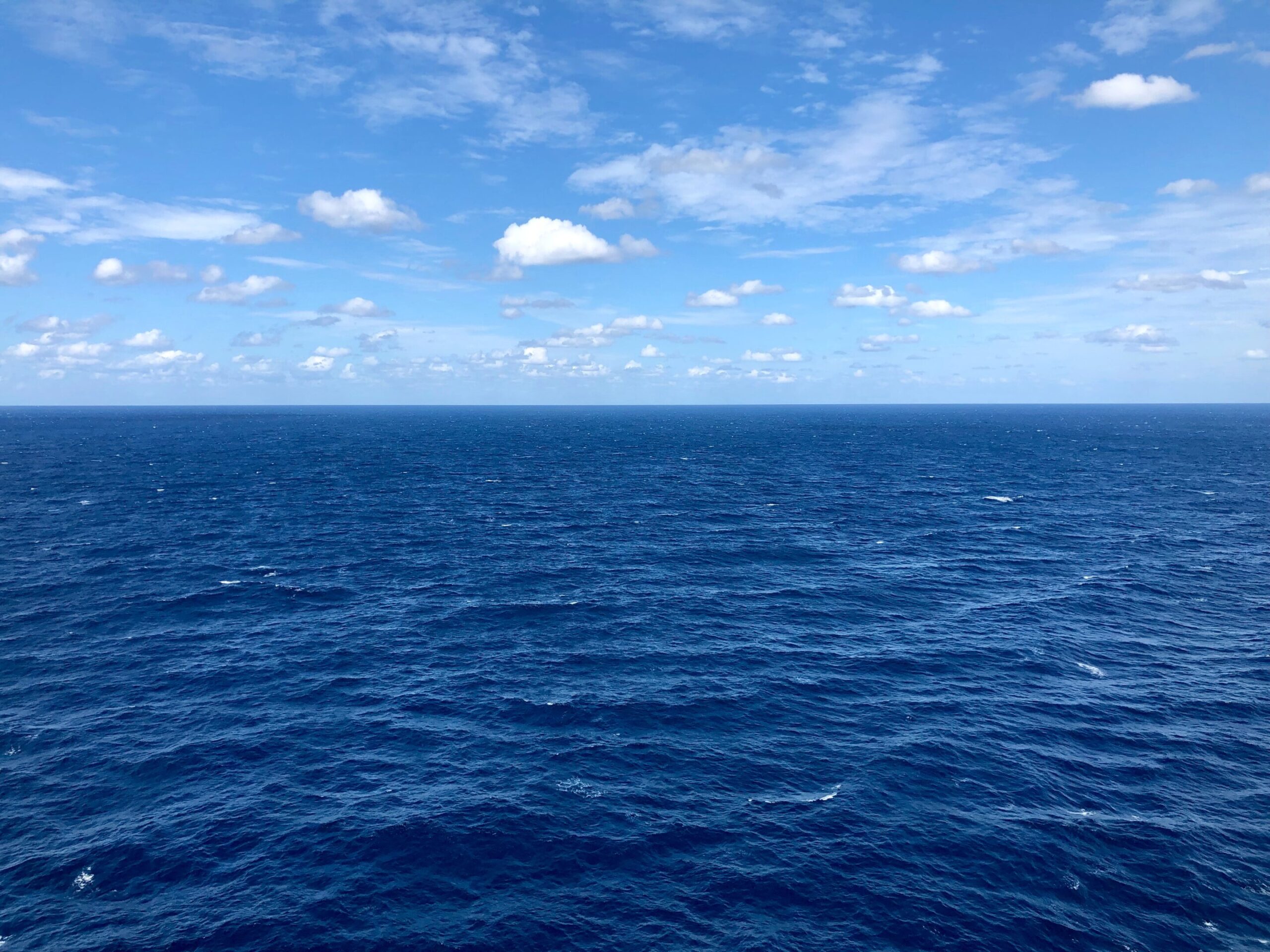
West Africa’s Oceans Under Threat from Illegal Fishing Activities
The waters off the coasts of West Africa, particularly those surrounding Ghana, Nigeria, Benin, Togo, and Ivory Coast, rank among the most productive globally. These oceans provide essential sustenance, employment, and a profound cultural identity for over 100 million people. In Ghana, for instance, fish constitutes approximately 60% of the population’s protein intake. Yet, despite their significance, these vital marine resources face increasing threats.
Illegal Fishing Epidemic in West Africa
West Africa has emerged as a hotspot for illegal, unreported, and unregulated (IUU) fishing. Weak regulatory frameworks and poor enforcement have transformed some regions into “poacher’s paradises,” allowing foreign industrial fleets to exploit marine resources with minimal accountability. The consequences of illegal fishing are dire; it not only devastates fish populations but also undermines conservation measures, destabilizes local markets, and deprives coastal communities of essential fish for nutrition and income. In numerous West African regions, illegal fishing constitutes a significant portion of the total catch, costing local economies billions each year.
Complex Ownership Structures and Global Exploitation
The intricate ownership structures surrounding many industrial fishing operations make it challenging to identify the ultimate beneficiaries of overfishing. What is undeniably clear, however, is that the local communities are not among them. Foreign-owned industrial fleets, often flying flags from distant countries, are primarily responsible for the mounting pressure on West Africa’s fishing industry. Companies from Europe, China, Russia, and Turkey have been linked to unsustainable fishing practices that not only deplete vital fish stocks but also deprive artisanal fishermen and their families of their livelihoods.
Demand for Fishmeal Diverts Resources from Local Communities
An alarming trend in the region is the increasing demand for fishmeal and fish oil. Small pelagic fish, such as sardinella, anchovies, and mackerel, are critical sources of protein for West African households. However, these fish are increasingly redirected from local food supplies to serve industrial aquaculture. In 2020 alone, about 144,000 tonnes of small pelagic fish from West Africa were transformed into feed for salmon farming in Norway. This diversion could have fed between 2.5 million and 4 million people in the region for an entire year.
Cascading Effects on Local Economies and Migration
The repercussions of diminished fish stocks extend far beyond the coastal waters. When fishermen return with empty nets, it triggers a collapse of the local economy. Decreased catches translate to lower incomes and limited access to food for small-scale fishers, processors, and traders, who are already vulnerable. As fish populations dwindle, many individuals are compelled to seek opportunities elsewhere, leading to increased migration along perilous routes to Europe. In 2023 alone, over 3,000 lives were lost attempting this journey, underscoring the urgent need for sustainable solutions to ensure communities can thrive.
Opportunity for Leadership at the Upcoming Our Ocean Conference
The upcoming Our Ocean Conference, marking the first time the event is hosted on African soil, represents a crucial opportunity for regional leadership. To protect their marine resources, African governments must adopt comprehensive management strategies that prioritize their citizens’ needs. Artisanal fishers should be granted preferential access to waters they have depended on for generations. Increased enforcement against illegal fishing, transparency in vessel ownership, and policies that benefit local communities over foreign interests are critical steps forward.
Encouraging Signs and Steps Towards Sustainability
There are promising signs of progress, with various West African nations committing to greater transparency. Countries like Ghana, Liberia, and Sierra Leone are actively engaging in fisheries transparency initiatives and have endorsed the Global Charter for Transparency in Fisheries. Recently, Ghana made significant strides to protect artisanal fishermen by updating its Fisheries and Aquaculture Act, which established a coastal exclusion zone extending from 6 to 12 nautical miles offshore, prohibiting industrial and destructive fishing practices. Furthermore, Ghana has inaugurated its first marine reserve at Cape Three Points.
These initiatives are encouraging, yet further action is needed. Through strengthened leadership, increased accountability, and effective transparency, governments can reverse the current trends, rejuvenate fish stocks, restore impaired livelihoods, and ensure that our oceans continue to nurture future generations. Ultimately, West Africa’s oceans should sustain the communities that rely on them, rather than perpetuate systems that marginalize their needs.
About the author:
Sonia Kwame, Marine Expert and Advocate
Sonia Kwame serves as the Vice President of Oceana in Ghana and boasts over 22 years of experience advocating for social, economic, environmental, and climate justice. Based in Ghana, Kwame has led various campaigns on issues spanning climate and gender justice to poverty eradication, collaborating with advocacy networks in over 60 countries, particularly in the Global South. Her deep expertise in strategic leadership, local startups, advocacy, and program management empowers her efforts to drive meaningful change across the region.
