


ISWAP Commander’s Elimination Marks a Milestone in Counterterrorism Efforts
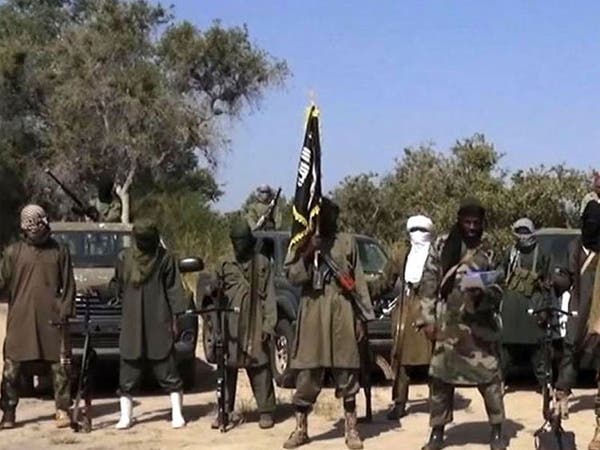
On May 16, 2026, the global community was taken aback by the death of Abul Mainok, the notorious commander-in-chief of the Islamic State West Africa Province (ISWAP). Also known as Abu Bilal Al Minuki, he was recognized as ISIL’s second-in-command and was killed during a coordinated counterterrorism operation led by Nigerian and U.S. forces in Metere, Borno State. This significant event is considered one of the most substantial setbacks for terrorism in recent history, leading to an uptick in joint U.S.-Nigerian operations against extremist groups.
Reactions from Leaders and Military Officials
U.S. President Donald Trump praised the effectiveness of the military operation, stating on his Truth social handle that American and Nigerian forces executed a meticulously planned mission to remove a prominent terrorist threat. He emphasized the importance of intelligence-sharing, noting that sources within the region provided critical information that helped track Al Minuki’s activities. Nigerian President Bola Tinubu echoed these sentiments, asserting that the operation exemplified the successful collaboration between the United States and Nigeria in combating terrorism.
Appreciation for Intelligence Collaboration
President Tinubu remarked on Nigeria’s value of the partnership with the U.S. in achieving mutual security objectives. He expressed gratitude to President Trump for his unwavering support, highlighting that such collaboration is crucial in the ever-evolving battle against extremist threats. Recognition of Nigerian intelligence services has also been vocalized in statements from U.S. Air Force Gen. Dagvin R.M. Anderson, commander of U.S. Africa Command, who acknowledged the tireless efforts of Nigerian operatives in gathering intelligence and identifying targets over recent months.
The Role of Intelligence Agencies
Investigating President Trump’s and Gen. Anderson’s comments, security experts pointed to Nigeria’s intelligence agencies—specifically the Department of State Services (DSS), the Nigerian Intelligence Agency (NIA), and the Defense Intelligence Agency (DIA)—as crucial players in the success of the operation against Al Minuki. Their role in providing situational awareness regarding the movements and activities of ISWAP fighters was instrumental in executing this high-stakes mission.
Recent Developments Prior to the Operation
Notably, just six days prior to Al Minuki’s demise, an event in a north-central town over 1,100 kilometers away from Metere could have influenced the operations against terrorism. There, Al Minuki and more than 175 fighters reportedly convened. During this period, DSS operatives successfully apprehended Abdulrahman Ozowie Muhammad, known as Abu Ghoj, a leader associated with ISWAP. His past actions, including a December 2020 attack that resulted in multiple fatalities and theft of military weapons, and other violent incidents, underline his significance in the regional terrorist network.
Abu Ghoj’s Arrest Enhances Intelligence Efforts
Abu Ghoj’s arrest has been viewed as a pivotal moment for Nigeria’s intelligence apparatus, potentially facilitating the acquisition of further intel to locate and neutralize Al Minuki and his associates in Borno State. His group’s historical attacks on military and police forces, as well as numerous kidnappings, particularly an October 2025 incident involving a foreign national, underscore the urgency of counteraction against such threats. This heightened operational focus could aid Nigerian authorities in keeping pressure on extremist factions.
A Shifting Strategic Focus in Nigeria’s War on Terrorism
For the first time since the onset of Nigeria’s war on terrorism around 2010, the country is adopting a more aggressive approach, directing efforts primarily towards direct attacks on terrorist elements. The recent successes in operations indicate a growing reliance on the intelligence provided by the DSS, NIA, and DIA. As Nigeria intensifies its fight against extremism, there is a sense of optimism regarding its capability to address and eventually overcome ongoing security challenges.
Aminu is an online editor for multiple publications and is based in Abuja.
