


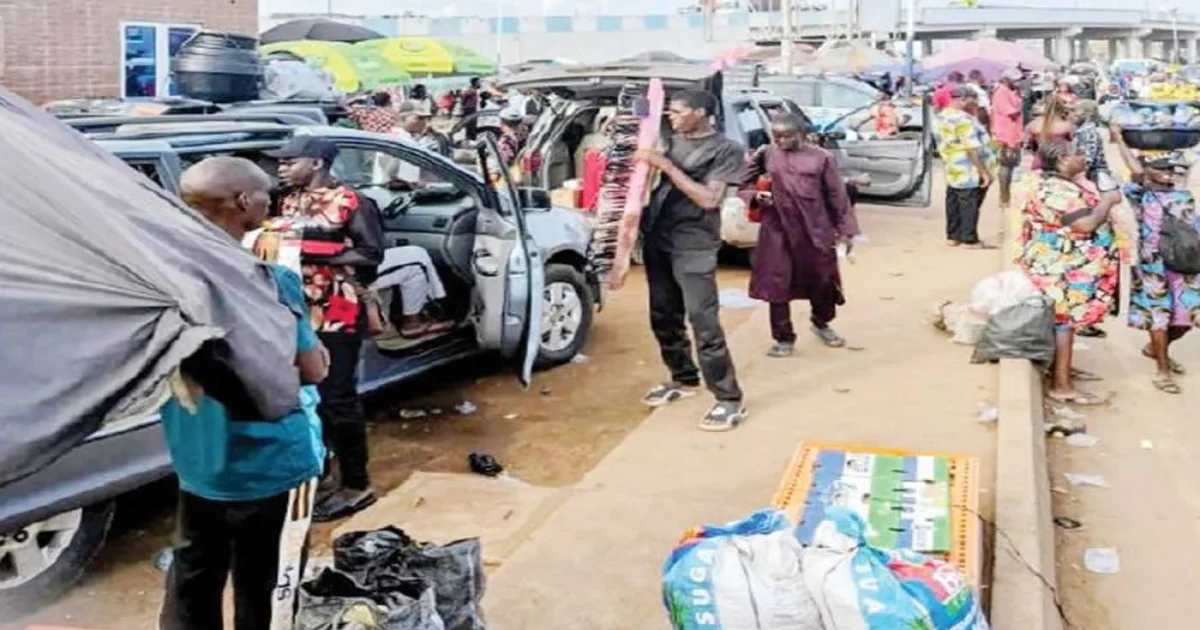
Asaba’s Motor Park: A Hub of Resilience Amid Economic Challenges
The motor park in Asaba, Delta State, comes alive even before dawn, bustling with the activities of drivers, mechanics, food vendors, conductors, and passengers. As they gear up for another day, they confront the harsh realities of escalating fuel prices, inflation, deteriorating infrastructure, and reduced incomes. This report by EFECHA GOLD delves into how these economic challenges are affecting one of Nigeria’s busiest transportation hubs, where resilience remains a vital driver of movement and survival.
Morning Activity and Economic Realities
Even though the sun has yet to rise, Asaba’s motor park exudes energy, with conductors calling out destinations, drivers inspecting their vehicles, mechanics making necessary repairs, food vendors cooking breakfast, and passengers competing for seats. Beneath this familiar hustle lies a more ominous reality, as thousands of individuals rely on these car parks for their livelihoods.
Daily Struggles in Transportation
Each day unfolds as a battle against rising fuel costs, inflation, crumbling roads, and dwindling incomes, affecting all who depend on the transport sector. Drivers work hard to keep their vehicles operational, mechanics fret over buses made unsafe from delayed repairs, grocers report a decline in customers, and passengers reconsider their travel plans, once taken for granted.
A Snapshot of Nigeria’s Economic Landscape
Spending a day at Summit Motor Park or Koga Motor Park reveals more than just the mechanics of Nigeria’s transportation network. It offers insights into an economy where resilience is the only thing that remains abundant amidst persistent hardships. The aromas of freshly cooked food intermingle with gasoline, creating a culinary backdrop to the bustling activities.
Maintaining Order in Chaos
As passengers navigate the myriad of vehicles, Comrade Anthony Okonkwo moves methodically through the Summit Motor Park, ensuring operations run smoothly. As the park’s vice president, he believes that organization is key to safe transportation. “We are tasked with managing passengers and drivers alike, ensuring vehicles are loaded properly and travelers reach their destinations safely,” he explains.
Transportation Industry Under Pressure
Okonkwo notes that the removal of fuel subsidies has drastically reshaped the transportation landscape. Costs have surged almost overnight, affecting fuel prices and the price of spare parts, making vehicle maintenance increasingly difficult. This situation creates a delicate balance where any increase in transport fares invites complaints from passengers, complicating the livelihoods of transport operators who struggle to stay afloat.
Drivers Face Increasing Challenges
Not far from the chaos, Tony Ogaga Ohotem waits by a bus destined for Ughelli and Warri, embodying the uncertainty faced by many commercial drivers. Operating without a set closing time, he admits that fluctuating passenger numbers directly correlate with rising fuel costs. “Most of our earnings now go towards fuel,” he says resignedly, acknowledging that his daily operations are riddled with challenges, including increased transport fares and road authority checks that slow down trips.
Balancing Safety and Cost
For drivers like Anthony Eze, the challenge extends beyond finances. His daily work begins at 6 a.m. and can last until after 7 p.m. An accident years ago instilled in him a deep concern for safety, especially as tire prices soar. He explains that many drivers delay necessary repairs due to financial constraints, worsening their safety on the road. “Better roads would mean fewer accidents, ultimately benefiting everyone,” he asserts.
Mechanics Combatting Costly Repairs
Nearby, mechanic Obinna finishes a repair on a commercial vehicle, reflecting on the myriad of issues he faces daily. “Suspension problems and brake failures are common,” he notes, expressing concern over drivers postponing repairs due to the soaring costs of spare parts. “A vehicle that leaves in good condition ensures passenger safety,” he emphasizes, capturing the interconnected nature of safety and livelihood in Nigeria’s transport system.
Food Vendors Adapting to Economic Shifts
At the park, Mrs. Nawanyoko is busy preparing meals for travelers, but her once-thriving business has slowed. “The economy has changed everything,” she remarks softly, citing rising costs for ingredients while struggling to maintain affordable prices for her customers. With fewer travelers stopping for meals, she notes the profound impact on her family’s finances, all while continuing to open shop every morning out of necessity.
Passenger Experiences: More Than Just Travel
Every vehicle that departs from the motor park carries not just passengers but also their aspirations, anxieties, and expectations. Among the waiting crowd is Renault, a business administration student who values his interactions during travel. He attests, “Every journey is more than simply reaching a destination; it’s an opportunity to learn from others.” As he observes the nuances of driving culture, he remains optimistic despite the prevalent challenges.
