


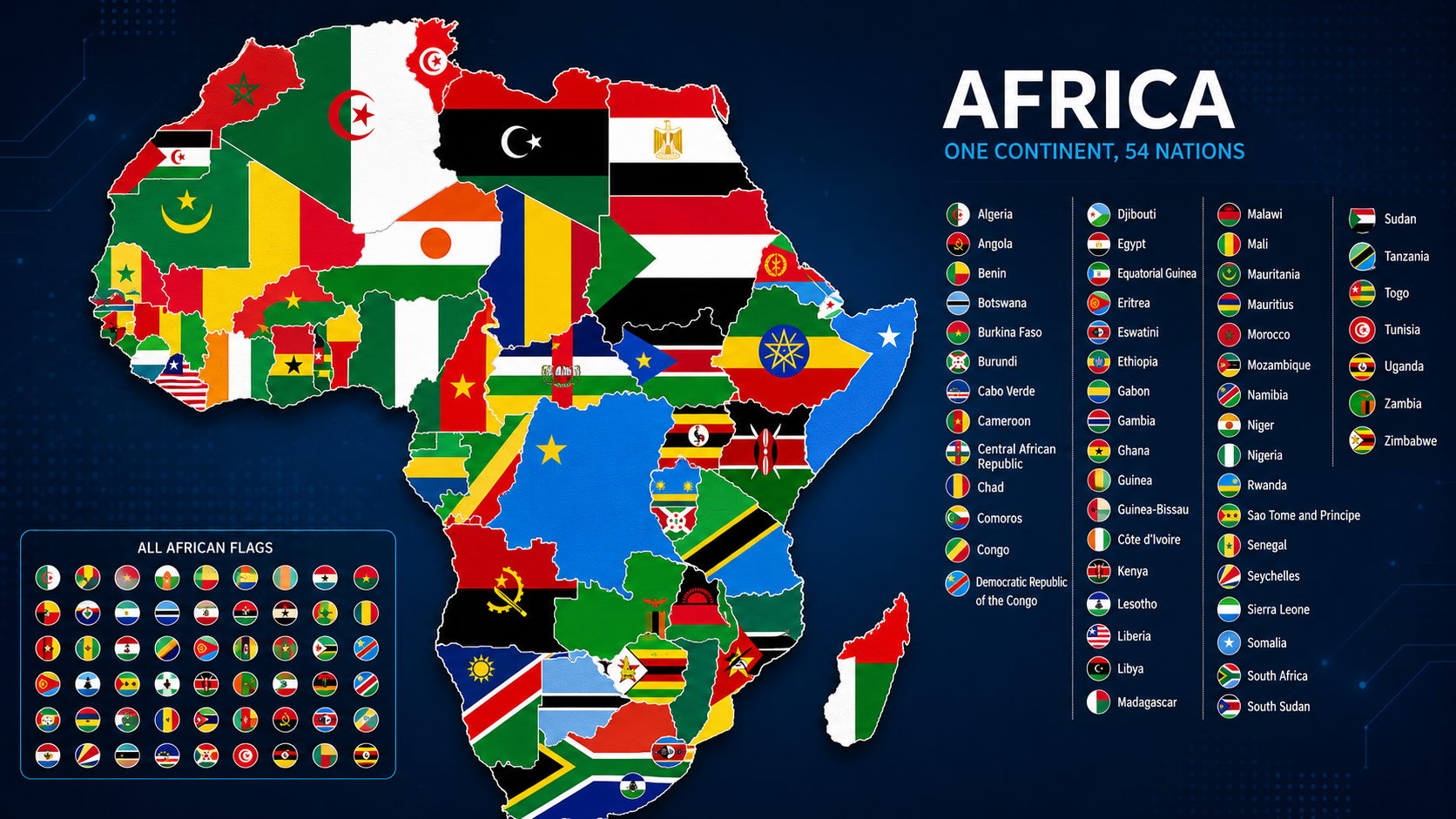
By 2026, the landscape of startup opportunities in Africa is expected to evolve significantly. While Nigeria, Kenya, and South Africa continue to dominate as major innovation hubs, emerging ecosystems in Rwanda, Tunisia, Ghana, and Uganda are gaining traction. These smaller markets are increasingly appealing to entrepreneurs due to improved regulatory frameworks, a growing talent pool, enhanced digital infrastructure, and policies that favor startups. For founders, the decision of where to establish a business now hinges on finding an ecosystem that fosters long-term growth rather than merely focusing on financing options.
Recent analyses from StartupBlink, the World Bank, GSMA, and various government reports indicate that Africa’s startup landscape is becoming both more competitive and diverse. Established ecosystems are encountering new challenges, while smaller markets are capturing attention due to business-friendly reforms and targeted innovation initiatives.
Evaluating Beyond Startup Rankings
While startup rankings can provide valuable insights, they only offer a partial perspective on the entrepreneurial landscape.
A robust startup ecosystem is contingent upon several interconnected elements. Founders require access to capital, skilled talent, reliable internet connectivity, supportive regulations, manageable operating costs, and a customer base open to digital solutions. Countries that strike an effective balance among these factors are becoming increasingly attractive to both local entrepreneurs and international investors.
Nigeria’s Vast Commercial Landscape
Nigeria remains a top contender for launching startups, particularly in fintech, e-commerce, and digital infrastructure.
Lagos is a primary destination for venture capital, specifically within sectors like fintech, logistics, healthtech, and enterprise software. The country’s youthful demographic, rising digital adoption, and active investment community present startups with significant scaling opportunities. However, challenges such as regulatory shifts, currency instability, and infrastructural deficiencies could elevate operational costs. For founders aiming to deliver products to mass markets and attract investment, Nigeria remains an essential market to consider.
South Africa’s Established Ecosystem
South Africa continues to provide one of the most developed startup ecosystems in Africa.
A well-established financial sector, a solid legal framework, a skilled talent pool, and a sophisticated venture capital market make it particularly appealing for B2B software, fintech, artificial intelligence, and enterprise technology startups. Founders benefit from professional services and reliable access to funding, creating a solid foundation for growth. However, issues such as power supply challenges, increasing operating costs, and sluggish economic growth pose significant considerations for new entrants.
Kenya: The East African Technology Leader
Known as East Africa’s technology leader, Kenya has built a strong reputation for innovation.
The nation’s success with mobile money, a digital-first culture, and a vibrant innovation ecosystem continues to nurture startups across various sectors, including fintech, agritech, climate technology, and digital commerce. Although Kenya experienced a slight dip in global startup rankings in 2026, its skilled workforce, active innovation hubs, and relatively supportive regulatory framework help maintain its position as one of the continent’s foremost launchpads for technology businesses.
Rwanda’s Business-Friendly Policies
Consistently ranked as one of the best African countries for startup establishment, Rwanda is noted for its efficient business registration process and supportive digital policies.
The Rwandan government has made substantial investments in digital infrastructure, public services, and policies that favor startups. The ease of business registration, along with increasingly digitalized government services, positions Kigali as an emerging innovation hub. Recent tax reforms have introduced some new costs in sectors like digital services and capital gains; nevertheless, Rwanda is still an appealing destination for founders who prioritize regulatory efficiency, political stability, and coherent long-term policies.
Ghana’s Evolving Landscape
Ghana is making significant strides to enhance its startup ecosystem.
Proposed reforms to the Ghana Investment Promotion Authority (GIPA) aim to lower capital requirements, which have historically made it challenging for foreign entrepreneurs to launch their businesses. These changes will facilitate easier market entry, particularly for technology startups that focus on intellectual property over substantial initial investments. Despite a recent slowdown in venture capital funding due to broader economic conditions, Ghana’s policy direction signals a renewed effort to attract innovation and entrepreneurship.
Tunisia’s Emerging Technology Hub
Though Tunisia may not receive the same level of international attention as larger ecosystems, its startup growth is notable.
Backed by government innovation programs, technology parks, tax incentives, and strategic proximity to European markets, Tunisia is positioning itself as an emerging center for software development and artificial intelligence. For founders targeting international clientele, particularly in Europe, Tunisia offers a compelling mix of skilled talent and competitive operating costs.
Uganda’s Focused Specialization
Uganda demonstrates that a smaller startup ecosystem can achieve substantial success by specializing.
Rather than attempting to compete across every technological sector, Uganda has built a reputation in agritech and healthtech, buoyed by support from educational institutions, innovation programs, and increased government backing for entrepreneurship. This focused strategy has positioned Uganda as one of the continent’s fastest-growing startup ecosystems.
Strategic Considerations for Founders
Selecting the right market for your startup involves more than merely assessing funding availability.
While Nigeria’s market size may be appealing, the regulatory simplicity of Rwanda could be more suitable. Founders developing AI solutions for European clients might find Tunisia to be a prime location, whereas agritech entrepreneurs could benefit from Uganda’s specialized ecosystem. Factors such as internet penetration, smartphone adoption, access to skilled labor, tax policies, foreign investment regulations, and local capital availability are critical in shaping expansion decisions. Instead of focusing solely on which country is largest, founders should consider which ecosystem best aligns with their business model.
The Evolving African Startup Ecosystem
The future of Africa’s startup ecosystem is becoming increasingly decentralized.
Investors are beginning to appreciate the value of specialized ecosystems that combine favorable regulations with strategic innovation policies instead of exclusively relying on traditional tech hubs. Countries that invest in digital infrastructure, enhance policy consistency, develop local talent, and streamline business operations are poised to attract a new generation of entrepreneurs and investments. As the African Continental Free Trade Area (AfCFTA) continues to broaden regional trade opportunities, founders will enjoy greater flexibility in building businesses that can cater to multiple markets from a single location.
