


Trump Administration Withdraws Plans for Immigrant Detention Megacenter in Georgia
The Trump administration has abandoned its initiative to transform a warehouse in Social Circle, Georgia, into a large-scale detention center for immigrants, just four months after the acquisition of the property was announced.
Local government officials confirmed that Congressman Mike Collins notified them that the Department of Homeland Security (DHS) would cease efforts to establish an Immigration and Customs Enforcement (ICE) detention facility in the area.
The original proposal aimed to accommodate as many as 10,000 detainees, nearly doubling Social Circle’s population, along with plans to employ between 2,000 and 2,500 staff members.
The federal government purchased the warehouse for $128.5 million, significantly higher than its previous sale price of $29.3 million earlier this year. The deed reflects the substantial financial commitment made by the government.
City leaders are uncertain about the future of the property but expressed hope that it will be returned to private ownership, thereby reintroducing it to the local tax base. This move is seen as crucial for preserving the economic health and longevity of the Social Circle community.
Georgia’s U.S. Senators, Jon Ossoff and Raphael Warnock, both Democrats, welcomed the decision to halt the detention facility, having previously voiced strong opposition to the project. Ossoff noted that community resistance played a significant role in this outcome, emphasizing the importance of public engagement.
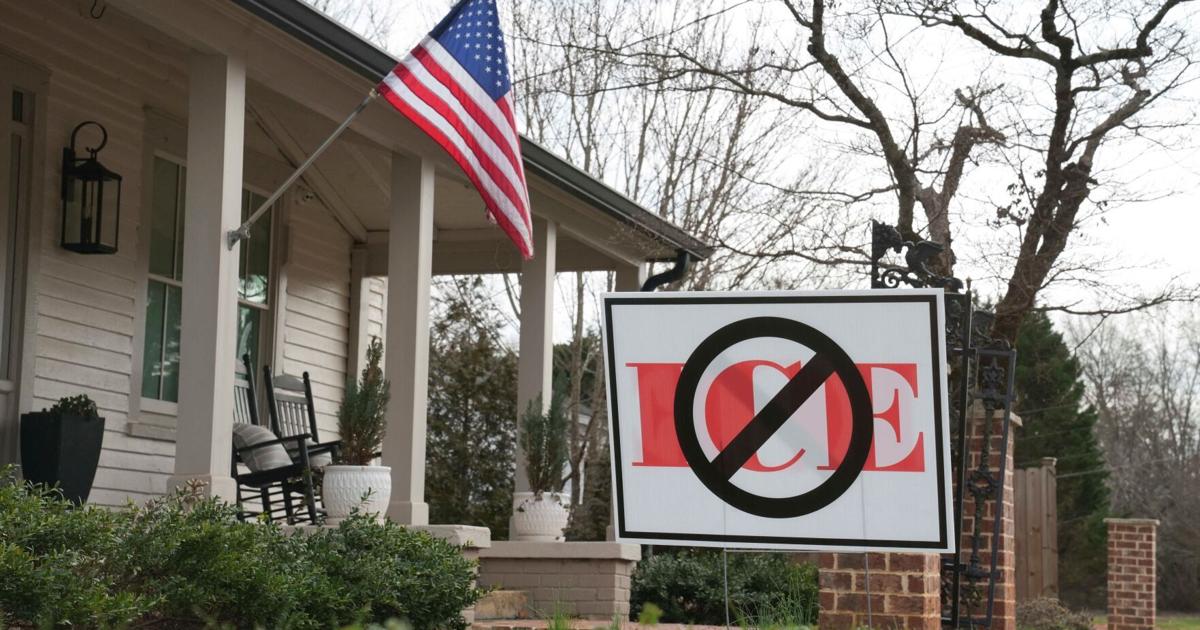
The proposed warehouse facility encountered rapid and intense backlash, particularly in a region where Trump secured over 70% of the vote in the 2024 presidential election. This local sentiment underscores the complexity of immigration issues even in traditionally conservative areas.
The DHS’s reversal on the Social Circle project aligns with its broader trend of reconsidering plans for converting multiple warehouses nationwide into detention centers. Reports indicate that the department is reassessing its extensive immigration detention strategy, which has exceeded $700 million.
An official spokesperson for DHS confirmed the agency’s commitment to removing serious criminal offenders from the country but did not provide specifics on future plans. Public opposition has also manifested in legal challenges, including a lawsuit targeting the proposed conversions.
Communities like Oakwood, located just 60 miles from Social Circle, similarly raised alarms about plans to convert a warehouse into a processing center. Local leaders remain skeptical until they see official confirmation of the government’s plans regarding the facility.
