


Trump Reinforces Control Over Republican Party
President Donald Trump has further consolidated his influence within the Republican Party by expelling several members who opposed his policies during the May primaries, maintaining his successful streak in these elections.
This month, Trump endorsed ten candidates opposing incumbent Republicans, securing victories in all but two races—one of which remains undecided. Defeating incumbents is notoriously challenging due to their advantages in both name recognition and fundraising. Many of Trump’s endorsed candidates benefited from substantial backing, including support from his political team and millions of dollars in outside funding.
As Trump’s approval ratings continue to soar, critics within the party may leverage the final months of his administration to openly challenge his policies. However, Trump’s recent triumphs reinforce the notion that he retains significant control over party dynamics, revealing that he possesses the power to oust dissenters at will.
A Targeted Campaign Against Congress Members
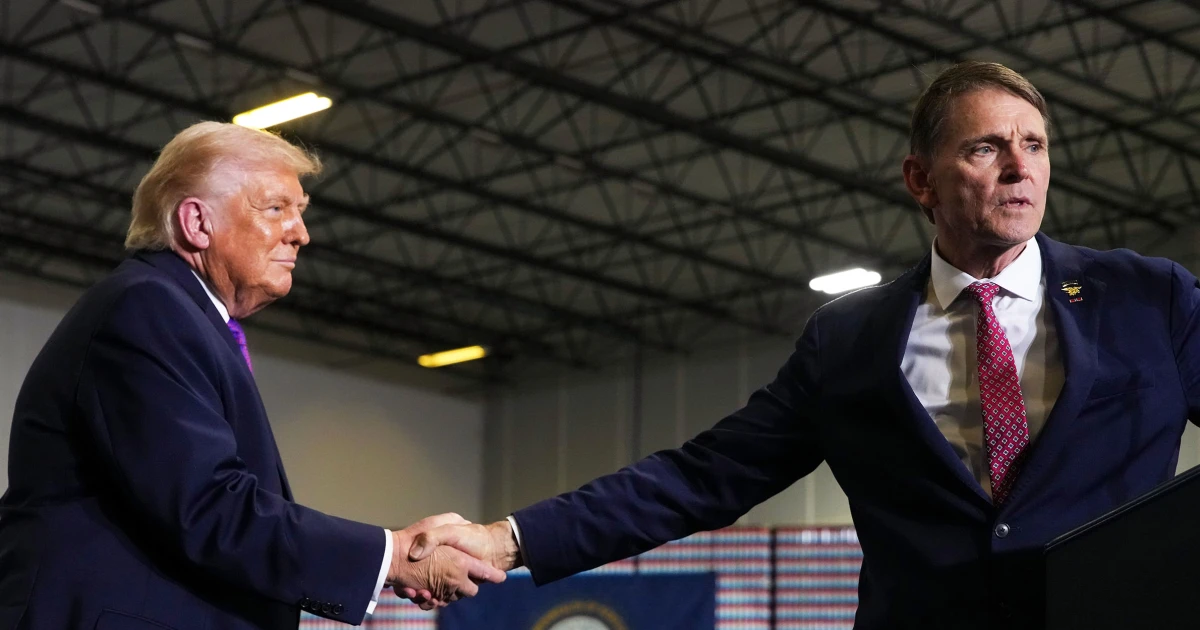
One of Trump’s most prominent targets this month was Rep. Thomas Massie from Kentucky, a long-standing opponent who has criticized the administration on issues including spending, foreign policy, and domestic scandals. Massie faced off in last week’s primary against Ed Gullane, a Navy veteran supported by Trump, and ultimately lost by a margin of ten percentage points (55% to 45%). Nonetheless, Massie expressed pride in garnering 45% of the vote, highlighting ongoing support within his party for his principles.
Massie attributed his defeat to a flood of attack advertisements totaling over $33 million, making it the most expensive House primary campaign in American history, according to AdImpact. Trump’s allies celebrated Massie’s loss, viewing it as a testament to his enduring influence within the Republican Party, further solidified by his declaration at a recent rally, where he proclaimed, “We knocked them all out.”
Consequences for Impeachment Supporters
Trump also brought attention to Republican Senator Bill Cassidy of Louisiana, who was ousted in a primary just days before Massie’s loss. Cassidy was among the seven Republican senators who voted to convict Trump during the impeachment trial following the January 6, 2021, Capitol riot. In his first electoral contest since that impeachment vote, Cassidy managed only 25% of the primary vote, failing to advance to the runoff, which will feature Trump-backed candidates Julia Letlow and State Treasurer John Fleming.
Although Cassidy did not mention Trump specifically during his concession speech, he made veiled references to the former president’s unfounded claims regarding the 2020 election. He emphasized the importance of accepting electoral outcomes with dignity, stating, “As long as you have that privilege, you will thank the voters for the privilege of representing your state and your country.”
Trump’s Wins in Indiana
This month marked Trump’s first significant triumph in Indiana, where he endorsed seven primary challengers to incumbent Republican state senators who had resisted efforts to redraw legislative districts in favor of the party. Out of those challengers, five emerged victorious, supported by pro-Trump external groups. Notably, the contest between State Senator Spencer Deery and Paula Copenhaver remains too close to call, necessitating a recount as they are separated by only three votes.
State Senator Greg Good stands out as the only sitting Republican senator to fend off a pro-Trump challenger. In light of his loss to Trump-aligned candidate Michelle Davis, Good maintained that he does not regret opposing the redistricting initiative, expressing concerns that the primary results indicate a troubling trend of retribution within the party.
Last-Minute Victory in Texas
Building on his successes in Indiana and Louisiana, Trump set his sights on another Republican incumbent in Texas. In a surprising turn, he endorsed Attorney General Ken Paxton just before a crucial primary runoff against long-serving Senator John Cornyn. Despite Cornyn being the leading vote-getter in the earlier primary, he was unable to secure a majority, prompting a runoff in which Paxton emerged victorious by nearly 20 points (64% to 36%).
Trump’s endorsement was met with resistance from some Republicans who feared it could jeopardize Cornyn’s seat should he become the nominee. Paxton, who faced impeachment on bribery and corruption allegations last year but was acquitted, benefited from Trump’s last-minute support, aided by polling that indicated a strong chance of victory. Trump’s influence was highlighted as pivotal, even among Cornyn’s supporters, many of whom conceded that the dynamics of the race shifted substantially following Trump’s endorsement.
In summary, the unfolding political landscape illustrates Trump’s substantial impact on the Republican Party and the ongoing shifts within its ranks as candidates respond to his backing or opposition.
