


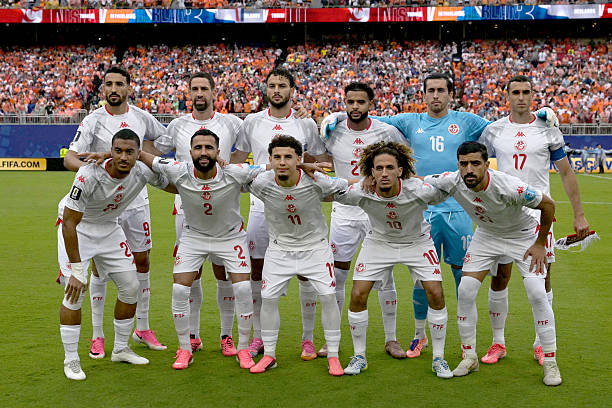
Tunisia’s Disappointing Performance at the 2026 FIFA World Cup
Tunisia’s run in the 2026 FIFA World Cup has become one of the most disappointing experiences for an African team in the tournament’s history. Arriving with an impressive qualifying campaign that saw them finish undefeated and concede no goals, the Eagles of Carthage faced a stunning collapse during the group stage, prompting discussions about whether this could be the worst World Cup performance by an African nation.
Statistics Reflect a Complete Collapse
Tunisia’s campaign was characterized by a dismal record: three matches played, zero wins, zero draws, and a significant loss. The team managed to score only two goals throughout the tournament while conceding nine—eight of those in their first two matches against Sweden (1-5) and Japan (0-4). They concluded their group stage with a 1-3 defeat against the Netherlands, leaving them with a goal difference of -8 or worse and ultimately earning zero points. This lackluster performance meant Tunisia was the first African team to be eliminated in the 2026 tournament.
Mid-Tournament Changes and Continued Struggles
After their opening match loss, Tunisia made a significant change, dismissing coach Sabri Ramsi and appointing Hervé Renard in hopes of reversing their fortunes. Unfortunately, Renard’s leadership could not halt the team’s downward spiral, as they continued to struggle on the pitch.
Historical Context of Tunisia’s World Cup Journey
This marked Tunisia’s seventh appearance in the World Cup, having previously participated in 1978, 1998, 2002, 2006, 2018, and 2022. Despite this extensive history, the team has yet to progress beyond the group stage. Over their World Cup appearances, Tunisia’s record stands at 21 matches, with three wins, five draws, and numerous losses, accompanied by a negative goal difference.
Comparative Analysis of Historical Low Points
Tunisia’s recent performance has drawn comparisons to the worst World Cup campaigns by African teams. The 1974 Zaire squad, often criticized as the worst team in World Cup history, lost all three games, including an infamous 9-0 defeat, resulting in 14 goals conceded and a -14 goal difference. Tunisia’s early concession rates and hefty defeats echo this notorious collapse. Other notable poor performances include Cameroon in 2014, which also exited with three losses, zero points, and a -8 goal differential.
The Fallout of Tunisia’s Disappointing Exit
While some African teams have left the World Cup without earning a point, few have demonstrated such a glaring goal difference and defensive breakdown in the expanded 48-team format. In contrast, Morocco’s impressive run to the semi-finals in 2022 exemplifies what is possible for African teams. Tunisia’s rapid decline this year is all the more perplexing given their strong qualifying results, which included nine wins, one draw, and a clean sheet throughout qualifying matches.
The Larger Implications for African Soccer
Tunisia’s experience in this World Cup highlights the ongoing challenges identified by stakeholders in CAF countries, particularly the need to bridge the gap with top teams in Europe and South America. There are growing concerns among fans and analysts about whether this is the nadir of their performance or a significant wake-up call. With star players such as Elies Skilli and a rich history of resilience—having made history as the first Arab African team to win against Mexico in 1978—Tunisia is looking to rebuild and strengthen its squad for future qualifications. As the 2026 tournament unfolds, Tunisia’s dismal statistics serve as a poignant reminder of the harsh realities at the pinnacle of international soccer.
