


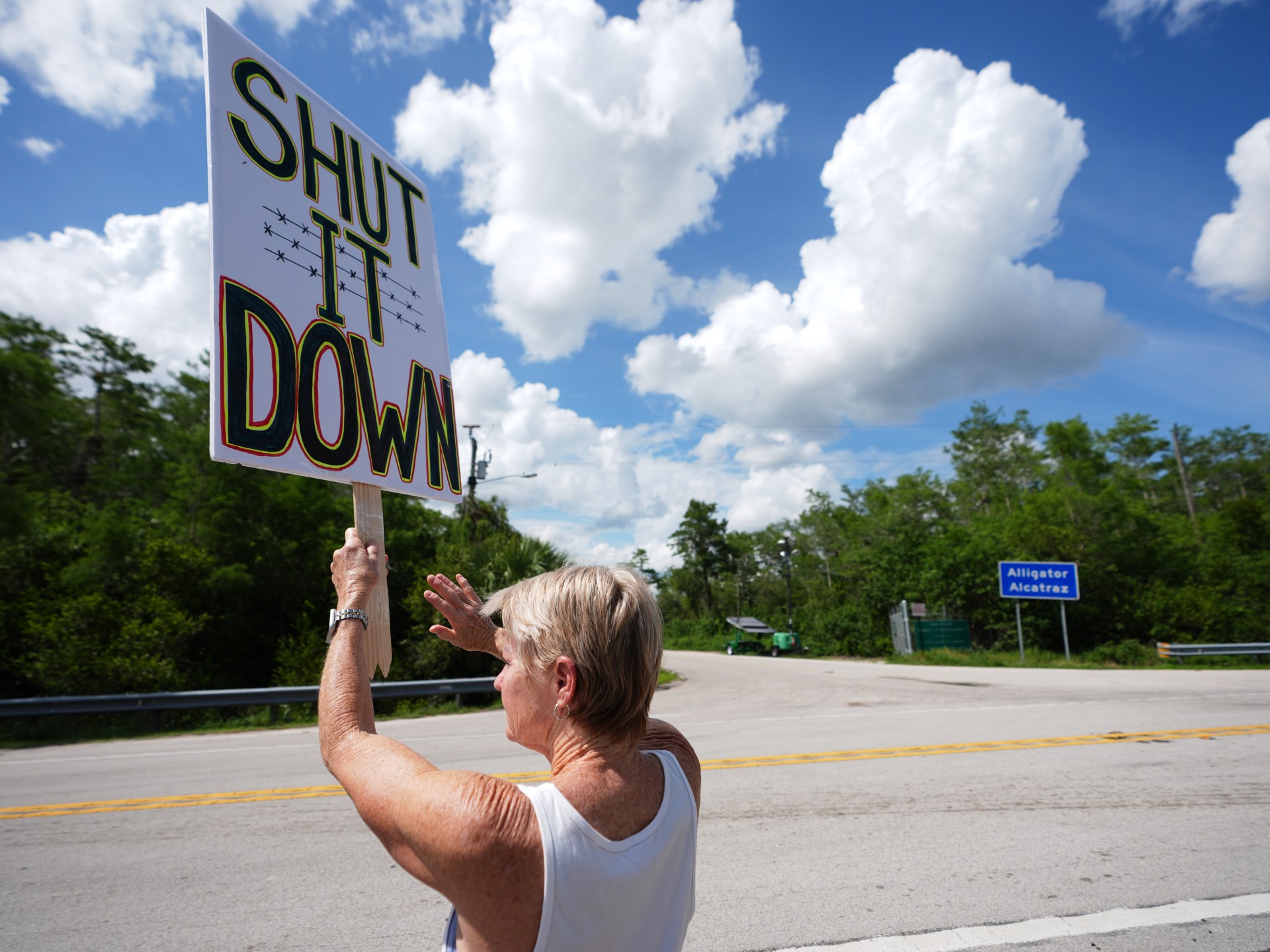
Concerns over human rights and environmental impact surrounding the facility near the Everglades Wetlands have sparked legal challenges.
The Trump administration has officially shut down the Alligator Alcatraz detention facility in Florida, having relocated all immigration detainees held there. This controversial site, located near the Everglades, has been embroiled in disputes related to both human rights and environmental issues since its inception.
The Department of Homeland Security (DHS) announced on Wednesday that all individuals detained at state-operated facilities have been moved out, particularly citing the impending Atlantic hurricane season as a reason for the decision. “To ensure the safety of the illegal aliens, we have transferred them to other facilities,” stated department spokesperson Lauren Biss in a comment to The Associated Press.
While the exact number of relocated detainees and the destinations remain undisclosed, there have been growing rumors about the facility’s closure over the past few months. According to multiple unnamed officials who spoke to The New York Times in May, the remote site in Florida’s Big Cypress Wilderness Preserve was deemed financially unsustainable.
Since its announcement nearly a year ago, Alligator Alcatraz has attracted significant scrutiny. Originally promoted as a temporary detention solution, the facility took its name from San Francisco’s notorious Alcatraz prison, with the surrounding wetlands intended to deter escape attempts. “When people go outside, there’s not much waiting for them other than alligators and pythons,” remarked Florida Attorney General James Usmeyer.
In July, President Trump personally visited the facility alongside Florida Governor Ron DeSantis, a Republican ally. Trump has advocated for mass deportations during his second term, while DeSantis, previously a rival in the 2024 presidential race, has sought to allocate national resources to back these initiatives. However, the detention center has faced opposition since its opening, with leaders of the Miccosukee and Seminole tribes expressing concerns regarding the facility’s impact on their lands and ceremonial grounds near the Everglades.
Lawyers and human rights advocates have raised serious questions about whether the temporary structures at Alligator Alcatraz can adequately protect detainees from South Florida’s severe weather conditions, especially given the region’s persistent heat, heavy rainfall, and hurricanes from June through November. Over the year of its operation, the facility has also been the subject of lawsuits alleging human rights abuses. Testimonies from former detainees reported inadequate access to legal assistance, lack of medical care, and instances of food contamination.
“Removing people from this cruel facility is an important step, but it does not erase the harm that has already been done,” remarked Amy Godshall, an attorney with the American Civil Liberties Union (ACLU). She has been at the forefront of a lawsuit against both state and federal authorities, claiming that the facility’s isolated location was a deliberate tactic to sever detainees from necessary legal resources. Godshall urged for the facility’s permanent closure, stating that both state and federal governments must pledge to never again detain individuals at this site.
Alligator Alcatraz, designed to hold up to 3,000 detainees, features an “aluminum frame structure” claimed to withstand winds comparable to those of a Category 2 hurricane. During the Atlantic hurricane season, all individuals housed at the facility have been successfully relocated, coinciding with the formation of Tropical Storm Arthur, the season’s first named storm, currently churning in the Gulf of Mexico and tracking toward Louisiana.
