


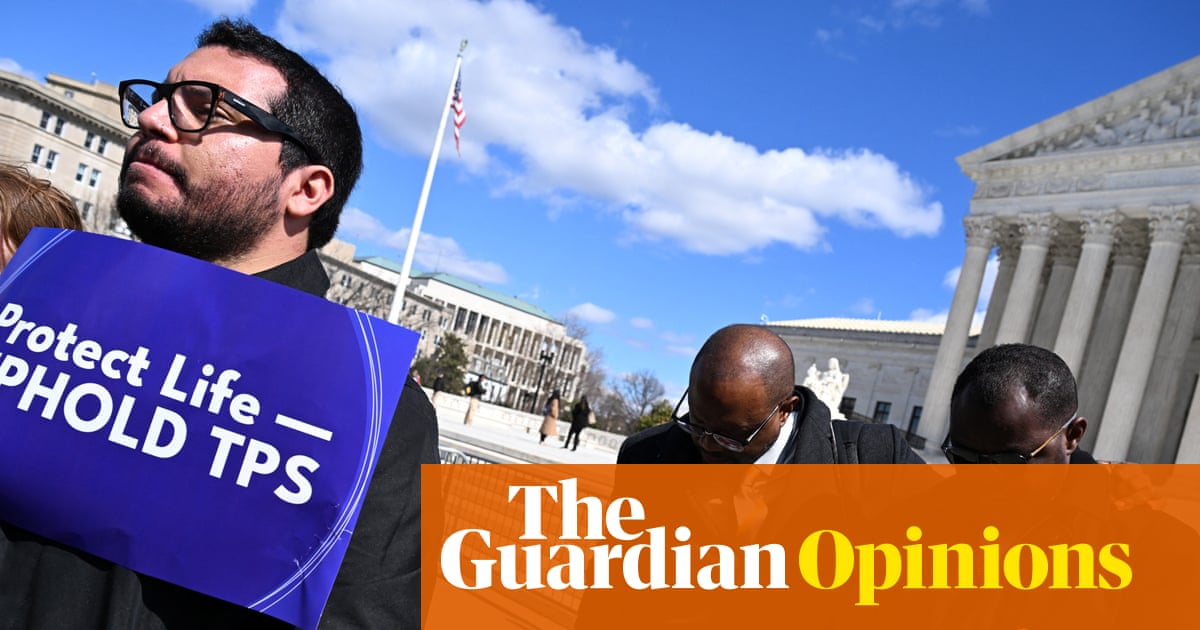
Supreme Court Decision Marks Major Shift on Immigrant Protections
On Thursday, the U.S. Supreme Court permitted the Trump administration to terminate Temporary Protected Status (TPS), heralding one of the most significant challenges to immigrant rights in recent American history. This decision affects approximately 350,000 Haitians and 6,000 Syrians currently protected by TPS, with potential repercussions for over 1.3 million individuals facing deportation to countries deemed unsafe by the United States.
Implications of TPS Termination
The move is seen as a harsh element of the Trump administration’s broader strategy regarding immigration, viewed by many as a systemic attempt to revoke protections previously afforded to vulnerable populations. Established by law in 1990 during the presidency of George H.W. Bush, TPS is designed to shield individuals fleeing from dire circumstances, including armed conflict, environmental disasters, or pandemics.
Criticism of the Decision
Critics of the ruling note that the legal framework surrounding TPS offers temporary relief from deportation and work permits but does not provide a direct pathway to residency. This limitation has profound implications, especially given the backdrop of escalating environmental challenges and ongoing conflicts, which have resulted in the annual renewal of TPS designations for countries like Haiti and El Salvador for years. In fact, Haiti’s TPS has been updated continually since the devastating earthquake in 2010.
Economic Contributions and Community Impact
The termination of TPS has broader societal implications, as many TPS holders have built lives and families in the U.S. Acknowledging their contributions, one judge noted that Yemeni TPS holders play a critical role in operating many of New York’s bodegas. Yet, attempts by Trump’s former Homeland Security Secretary to end TPS protections for several countries were met with legal challenges, as lower courts emphasized the need to follow due process in such crucial matters.
Judicial Observations and Continuing Advisory Risks
In February, just before TPS was due for renewal for Haitian citizens, Judge Ana Reyes expressed concerns over the administration’s rationale for discontinuing TPS, suggesting that decisions were driven by racial animus. Despite the U.S. government’s assertion that Haiti is safe for returnees, it simultaneously issued a “Level 4 Do Not Travel” advisory due to rampant crime, terrorism, and insufficient medical care.
Supreme Court Ruling and Broader Implications
In a decisive 6-3 ruling, the Supreme Court asserted that decisions regarding TPS rest solely within the executive branch’s discretion, limiting judicial capacity to intervene. Justice Samuel Alito’s remarks regarding the president’s controversial statements about Haitian immigrants further sparked debates about the intent and implications behind these immigration policies, raising concerns about racial undertones within official discourse.
Broader Immigration Challenges
This ruling comes amid a broader erosion of protections for asylum seekers in the U.S. In a separate 6-3 decision, the Supreme Court also allowed the Trump administration to restrict asylum applications at the Mexican border, effectively sealing avenues for many in dire need of refuge. This tightening of immigration policy could result in sharp declines in legal immigration, making vulnerable populations more susceptible to mistreatment and risks of deportation.
Call for Legislative Action on TPS
The vulnerability exposed by the TPS ruling highlights a critical issue within the immigration debate: the political frameworks that define “legal” and “illegal” entry. The absence of a clear path to residency for TPS holders emphasizes the urgent need for Congressional action. The Senate has the opportunity to pass the Protecting the Status of Haitians Act, a bill that has already garnered bipartisan support in the House. Immediate legislative measures are essential to create pathways to citizenship and avert a humanitarian crisis that could arise from the forced displacement of over a million individuals.
