


Backlash Intensifies Over U.S. Plans to Quarantine Ebola-Exposed Americans in Kenya
Plans to quarantine Americans exposed to Ebola abroad have ignited significant backlash, particularly in Kenya, where protests have erupted against the proposed establishment of a 50-bed facility. The facility is planned to be located at Laikipia Air Base, prompting fear and anger among local residents.
A Kenyan court recently extended an injunction halting the construction of the quarantine center. In light of this, U.S. health experts and former officials expressed their concerns in an open letter to Congress, highlighting various clinical, ethical, operational, and legal issues associated with the plan to treat Americans exposed to the virus overseas.
Amid rising fears about the potential spread of Ebola—particularly in the Democratic Republic of the Congo—the Trump administration announced that exposed American citizens would not be brought back to the U.S. for treatment. Instead, many of those affected are currently being monitored or treated in Europe after being exposed to the deadly virus in regions like Congo or Uganda. The proposal for an isolation ward in central Kenya has, however, sparked outrage and fears it could inadvertently contribute to the spread of infections within the East African nation.
During a press conference, Kenyan President William Ruto defended the establishment of the facility, asserting it is part of a broader national preparedness strategy. He emphasized, “The isolation facility at Laikipia Air Base, supported by the U.S., is not unique or exceptional.” Ruto underscored that this facility is an extension of a long-standing partnership with Washington aimed at enhancing Kenya’s response capabilities during the Ebola outbreak.
President Ruto stated, “When President Trump requested assistance from the Kenyan government, I agreed because it represents a partnership with our long-time allies who have collaborated with us for decades.” The United States has committed $13.5 million toward this partnership, yet local opposition persists.
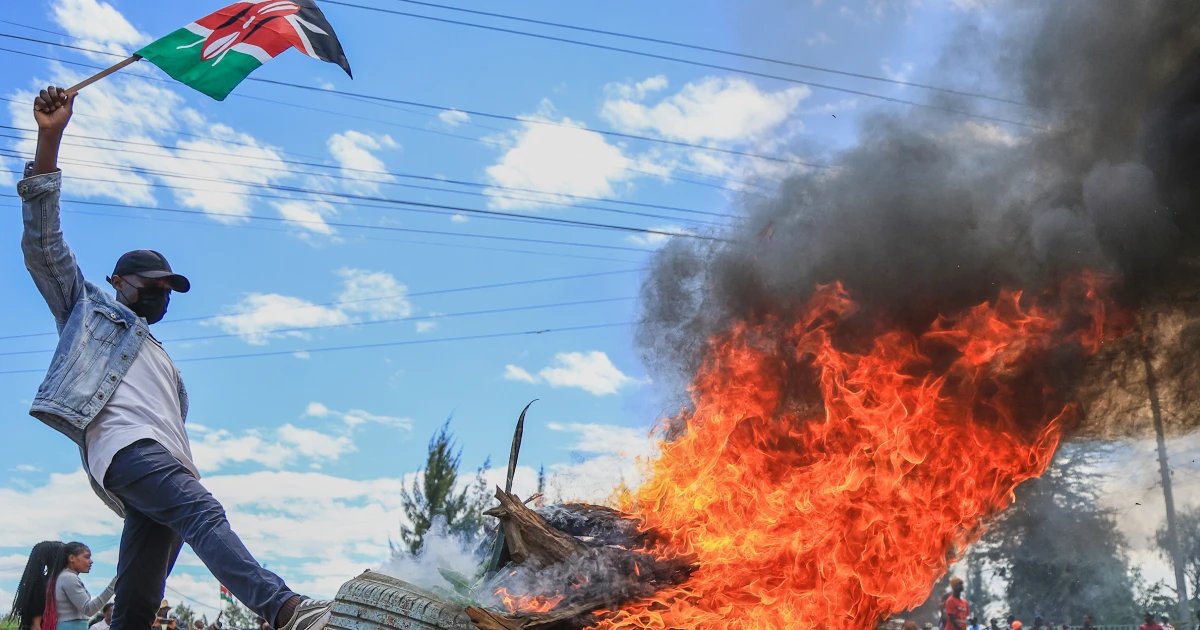
Demonstrations against the quarantine plan escalated, particularly in Nanyuki, where the facility is set to be located. Reports indicate that police employed tear gas during the protests, with some reports claiming that two individuals died from gunshot wounds when authorities opened fire—a point not yet confirmed by police or local health officials.
A High Court judge issued an order prohibiting any construction or operational steps for the facility until the case is resolved. The World Health Organization recently reported over 200 suspected Ebola-related deaths and approximately 900 individuals suspected of infection in an outbreak linked to the rare Bundibugyo strain, which has spread from eastern Congo to Uganda. There are currently no known vaccines or treatments for this strain, further complicating the situation.
As of the latest updates, the WHO reported 321 confirmed cases and 116 suspected cases in Congo, with 48 reported deaths. In Uganda, nine confirmed cases have been documented, along with one related death. New cases continue to emerge, raising the overall confirmed tally in Uganda to 15. The Trump administration’s stance diverges from the 2014 Ebola outbreak response, as they have asserted that they “cannot and will not allow” anyone infected to enter the United States. This policy has prompted concern from health care leaders, who warn it could set a troubling precedent at a time when outbreak responses are already under pressure.
The White House maintains that the proposed facility aims to provide immediate care for Americans exposed to the virus without the lengthy process of medical evacuation. Meanwhile, the U.S. administration has yet to respond to inquiries regarding the open letter, the recent court ruling, or the details surrounding the protests.
