


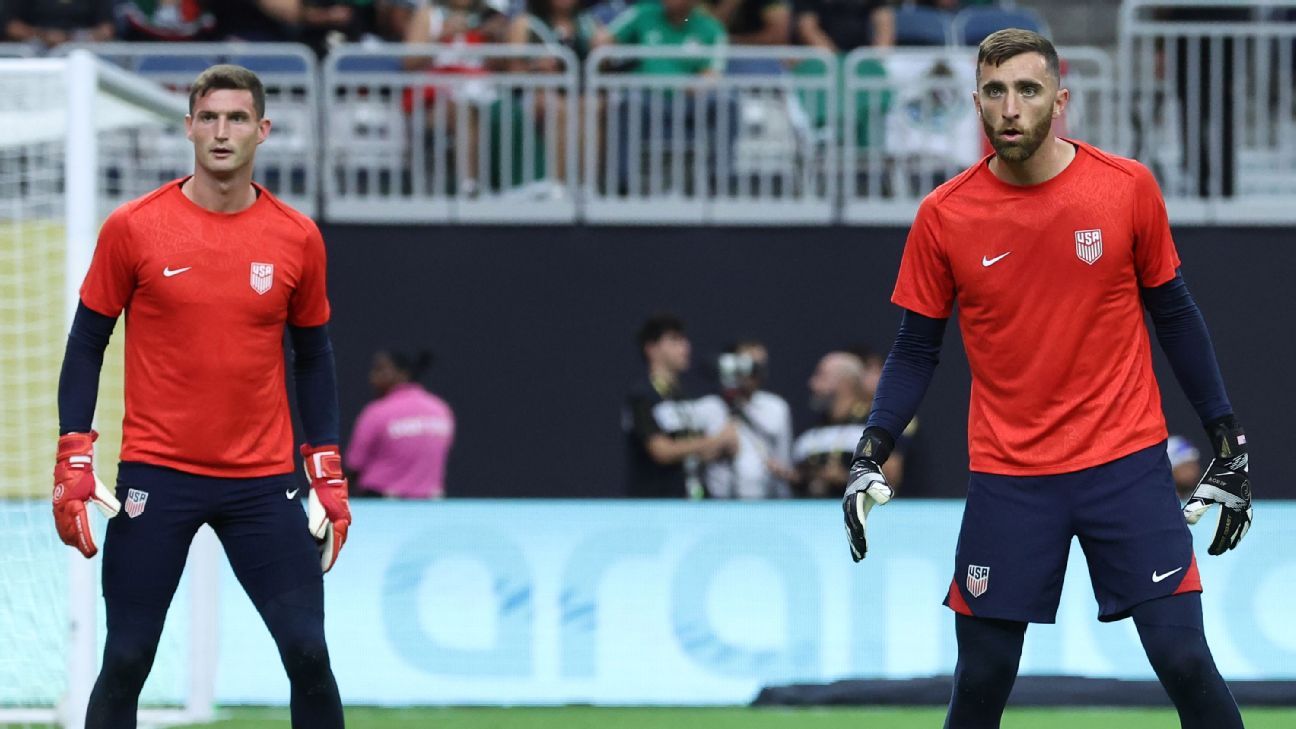
The Current State of U.S. Goalkeeping Heading into the World Cup
For decades, the U.S. Men’s National Team (USMNT) has benefitted from a remarkable legacy of exceptional goalkeepers. Icons like Tony Meola, Casey Keller, Brad Friedel, and Tim Howard have established a strong foundation, showcasing talent on some of the world’s biggest stages. However, as the USMNT prepares for this summer’s World Cup, questions about the current crop of goalkeepers reveal a stark contrast to this illustrious history.
Current Goalkeepers Face High Expectations
The current roster includes Matt Freese from New York City FC, Matt Turner from the New England Revolution, Chris Brady from Chicago Fire, Roman Celentano from FC Cincinnati, and Patrick Schulte from Columbus Crew. Unfortunately, this group doesn’t appear to match the caliber of their predecessors. Their reliance on Major League Soccer (MLS) serves as a telling indicator, suggesting a lack of visibility in Europe’s more competitive leagues.
Experience Remains a Key Factor for Success
The USMNT has historically produced physically gifted athletes, but much of what distinguishes elite goalkeepers is psychological—decision-making, positioning, and the ability to minimize errors are crucial. Experience plays a significant role in enhancing these attributes, and the current goalkeeper lineup has not yet accumulated the level of experience seen in past generations.
Younger Goalkeepers Show Potential for Growth
Brady, Celentano, and Schulte are all under 25 and have time to develop their skills, especially with Brady showing potential for a promising career ahead. However, their growth won’t align with the immediate demands of the World Cup. Turner has prior World Cup experience but has struggled to secure consistent playing time in Europe; now, he finds himself back in MLS on loan following a stint in France.
Expert Opinions Highlight Concerns over Current Goalkeeping Corps
Casey Keller, a noted former U.S. goalkeeper, has expressed disappointment in the lack of strong tiered options within the current pool. Similarly, Tim Hanley, a seasoned goalkeeping coach in MLS, has voiced concerns regarding the overall strength of the USMNT’s goalkeeping strategy. He believes that the lack of an established backup highlights a serious shortcoming as the team heads into such a prestigious tournament.
Analyzing Historical Performance and Current Trends
Alarmingly, the shot-stopping performance of USMNT goalkeepers this World Cup cycle appears to have declined since 2022. A statistical analysis of goals prevented indicates that the current cycle is significantly less effective than past years, with a marked decrease in shot-stopping efficiency. This raises further alarms about the readiness of the goalkeeping unit as they prepare for the global stage.
Development Challenges for U.S. Goalkeepers
Some analysts argue that the lack of recent standout goalkeeping talent is cyclical, asserting that talent ebbs and flows in sports. However, there is also a case to be made that the focus of U.S. soccer programs has inadvertently undermined goalkeeper development. Past methodologies have emphasized technical skills with the feet over key aspects such as shot-stopping, leaving current goalkeepers at a disadvantage.
Future of U.S. Goalkeeping and the Upcoming World Cup
The current goalkeeping situation paints a mixed picture. Freese remains a strong contender for the starting role during the World Cup, given his recent performances. Turner’s ongoing efforts to reclaim a leading position and his experience are promising, yet the reality remains that neither he nor Freese has an extensive record in top-flight European football. The upcoming months will define whether any of these goalkeepers can rise to the occasion and perhaps start a new chapter in U.S. goalkeeping history.
