


Concerns Rise Over Treatment of Nigerians in Ghana
Recent reports of mistreatment towards Nigerians in Ghana are raising significant concerns, particularly as the Economic Community of West African States (ECOWAS) has recently signed a crucial trade agreement aimed at bolstering economic relations within the continent.
Government Action Needed Against Xenophobia
There is an urgent need for the Nigerian government to adopt a more proactive foreign policy to combat xenophobic attacks on its citizens abroad. The notion that Nigerians should be marginalized or treated as second-class citizens in any country is unacceptable and undermines national dignity.
Violent Incidents at Accra’s Opera Square Market
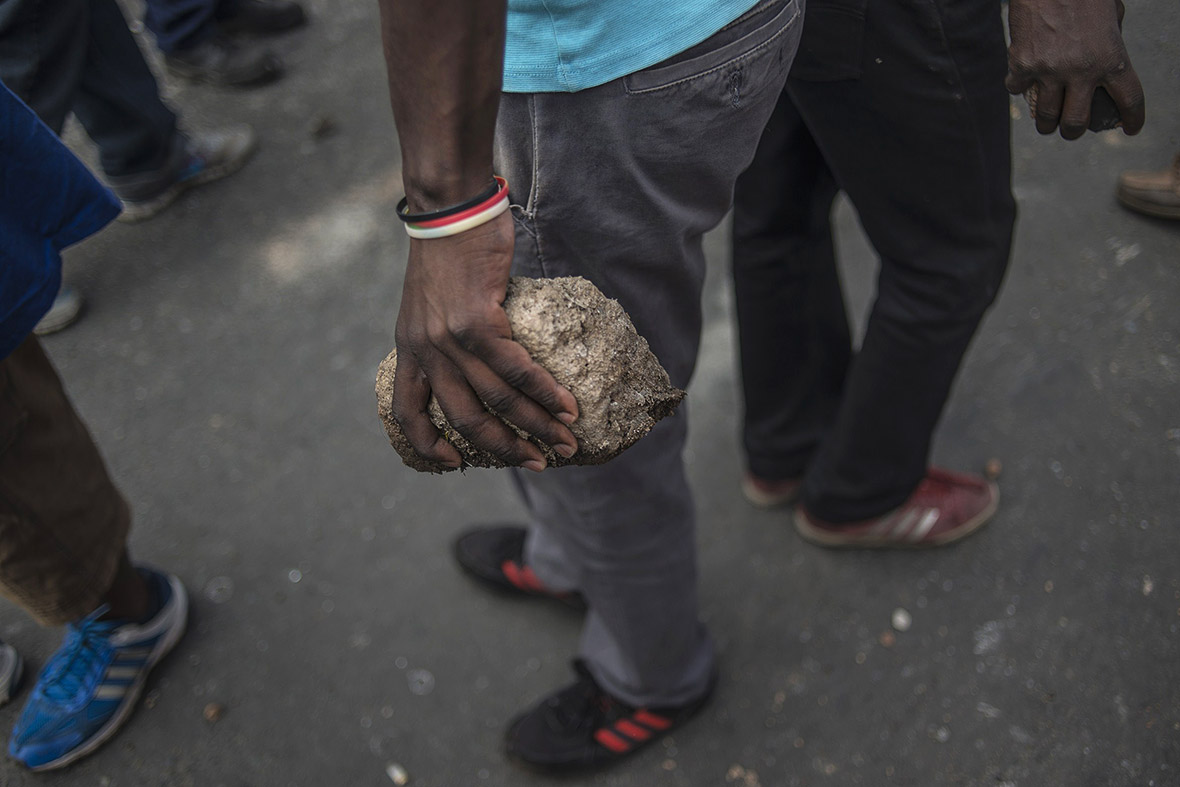
Reports indicate that Nigerian merchants faced violence at Accra’s Opera Square Electronic Market when local traders blocked their shops. Tensions escalated into a physical confrontation, prompting police intervention to restore order. This incident highlights ongoing tensions between Ghanaian traders and their Nigerian counterparts.
Authorities Intervene Amid Rising Tensions
The Ghana Traders Association and the Nigerian Traders Association in Ghana were summoned by regional police to discuss the unfolding situation. Superintendent Kwasi Ofori, overseeing the police operations, noted that measures were being implemented to ensure peace and stability within the market area.
Recurring Attacks on Nigerian Traders
This latest confrontation marks a troubling pattern, as it is the second attack on Nigerian traders within weeks by the Ghana Electrical Dealers Association. A previous incident in June also led to Nigerian shops being blocked, though that situation was diffused within 48 hours. The recent violence coincides with parliamentary discussions in Ghana advocating for restrictions on foreign involvement in the retail sector.
Official Endorsements of Xenophobia Raise Alarm
Following these escalations, Dr. Joseph Obeng, Chairman of the Ghana Traders Association, emphasized the necessity of enforcing a ban on foreign retailers, arguing that they exploit loopholes in local laws. This rhetoric appears to fuel hostility towards Nigerian traders, and it is imperative for both Nigerian and Ghanaian authorities to engage in constructive dialogue to address growing anti-Nigerian sentiment in the region.
Historical Context of Anti-Nigerian Sentiment in Ghana
The longstanding tensions between Ghana and Nigeria can be traced back to a history of discriminatory actions against Nigerians. Notably, in early 2019, Ghana deported 723 Nigerians under accusations of illegal residency and involvement in cybercrime—actions taken without adequate investigation. These incidents only serve to exacerbate feelings of alienation among Nigerian nationals living in Ghana.
Implications for Regional Cooperation
The treatment of Nigerian traders raises serious questions about the efficacy of the ECOWAS Protocol, which is intended to facilitate the free movement and settlement of citizens within the member states. As ECOWAS moves towards introducing a common currency to enhance trade, it is crucial for member countries like Ghana to uphold the principles of cooperation and mutual respect for all nationals within the region.
The Need for Tolerance and Fair Regulation
The current environment highlights the dangers of profiling individuals based solely on nationality rather than addressing legitimate trade practices. Ensuring fair treatment for all traders, irrespective of their national origin, is essential for fostering a stable and prosperous West African economic landscape.
