


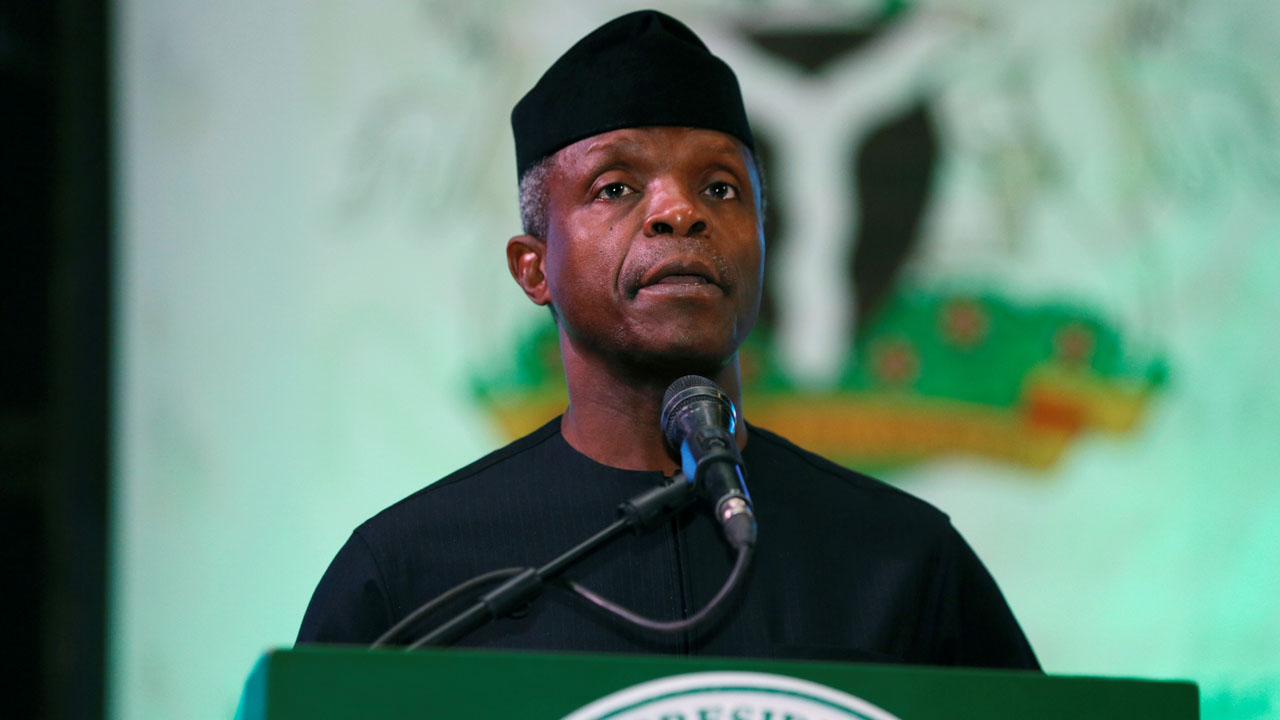
Vice President Osinbajo’s Role in a Turbulent Nigeria
Nigeria’s Vice President Yemi Osinbajo has found himself under scrutiny amid rising violence and unrest across the nation. While the 1999 Nigerian Constitution does not endow the Vice President with a clear decision-making mandate, many citizens question the effectiveness and responsiveness of Osinbajo’s office. The common sentiment describing the Vice Presidency as a “spare tire” highlights the growing frustration with its perceived ineffectiveness, compelling experts and the public alike to call for a more active role from him—beyond merely serving in a supportive capacity to President Muhammadu Buhari.
Defending Government Policies Amid Growing Dismay
Recently, Osinbajo defended federal government policies at the launch of a book celebrating former Governor Olusegun Osoba’s 80th birthday. During his address, he rejected insinuations that President Buhari was protecting armed herders and insurgents, but his assurances left many wondering: If the president is not complicit, what concrete steps are being taken to address the escalating violence? While he called for unity among different faiths and ethnicities in combatting societal ills, Osinbajo failed to articulate a comprehensive strategy for achieving such collaboration. This omission raises concerns over how, in a nation where various religious and ethnic groups have historically coexisted, the country has reached its current crisis point.
Security Challenges Highlight Ineffectiveness
In an attempt to depict progress in addressing the nation’s security crisis, President Buhari remarked on the Inspector General of Police’s weight loss as a sign of hard work. This assertion has evoked skepticism among citizens, who observe the alarming rise in violence and kidnappings carried out by bandits, often labeled as herdsmen, across Nigeria. Many individuals already know that not all perpetrators are Fulani herdsmen, as underlined by conflicting claims about the identity and origins of the attackers. This complexity begs the question: If these attackers are foreigners, how are they operating with such impunity within Nigeria?
Calls for Accountability Amid Widespread Discontent
Nigerians have expressed profound disappointment in Osinbajo’s silence regarding the unprovoked killings of innocent citizens. With incidents of highway violence becoming alarmingly frequent, the expectation for more assertive leadership is palpable. Osinbajo, a recognized technocrat who once inspired hope as the nation’s second-in-command, now faces accusations of complacency amid this national crisis. The burgeoning sense of lawlessness has obscured the government’s role, leaving citizens to grapple with the question of who exactly they are fighting against in what resembles a guerrilla war.
Historical Precedent for Action
Inspired by notable historical figures like the late Professor Dora Akunyiri, who courageously spoke out against governmental neglect, many Nigerians yearn for Osinbajo to take a stand. It is imperative for leaders to act decisively in the face of chaos, echoing the actions of those who came before them. Reflecting on biblical tales, such as that of Esther, serves as a poignant reminder that vocal leadership can lead to significant change, contrasting the dangers of inaction.
The Risks of Silence and the Weight of Responsibilities
As unrest grows, many Nigerians living abroad report hesitance to travel back due to safety concerns, highlighting a general sense of insecurity enveloping the country. This growing anxiety raises significant questions about the effectiveness of military and security forces and how their actions—or inactions—impact daily life. Osinbajo’s stance during this turbulent time will inevitably shape his legacy, much like the impactful words of other historical figures, illustrating the long-lasting consequences of a leader’s silence.
Lessons from History and the Call to Leadership
The legacy of advocates for justice, such as Martin Luther King Jr., offers valuable lessons for contemporary leaders. Challenging systemic oppression requires courage, even at great personal risk. King’s celebration, even posthumously, highlights the enduring respect garnered by those who choose to lend their voice to the marginalized. For Osinbajo, the call to action is loud and clear: speak out against wrongdoing, or risk being remembered for inaction in a critical time for Nigeria.
