


Niger Sees Influx of Repatriated Nigerians in 2026
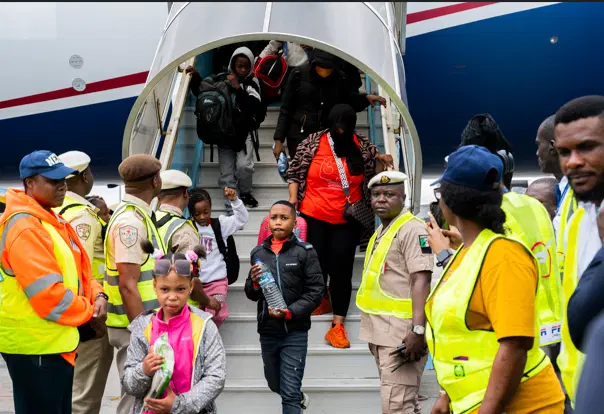
In May 2026, a total of 1,429 Nigerians were repatriated from Niger Republic, according to recent findings from the Center for Mixed Migration. This data highlights Niger’s ongoing role as a significant transit point for individuals attempting the dangerous journey to Europe through Libya and Algeria.
Migration Trends Amid Economic Struggles
The latest figures emerge amid Nigeria’s ongoing struggle with a notable increase in migration, largely fueled by economic difficulties. Over recent years, hundreds of thousands of Nigerians have sought to migrate to countries like the UK, US, and Canada, using both regular and irregular routes.
Details of the Latest Repatriation Efforts
A report from Saturday Punch in May noted that the Nigerian Immigration Service confirmed that at least 1,100 Nigerians arrived in Nigeria on May 22, 2026, traveling by land from Niger. Two days later, the National Emergency Management Agency welcomed an additional 329 returnees from Agadez, a crucial transportation hub in Niger, bringing the overall number of returnees to over 1,400.
Challenges for Stranded Migrants
The Center for Mixed Migration, a Geneva-based research body connected to the Danish Refugee Council, remarked that the mass repatriation underscores the ongoing presence of stranded migrants in Niger. Many of these individuals find themselves in prolonged stays within International Organization for Migration (IOM) centers and urban areas that lack sufficient resources.
Migration Routes and Patterns
Agadez, located approximately 950 kilometers northeast of Niger’s capital, has long served as a key northbound transit point for West Africans traversing the Sahara Desert toward Libya and Algeria, before attempting to cross the Mediterranean Sea to reach Italy and Spain. As of May 2026, data indicates that 163 Nigerians arrived in Italy via this route, a significant number yet lower than the 196 Nigerian arrivals recorded during the same time frame in 2025.
Expulsions and Border Dynamics
Additionally, the report highlighted a notable influx of Nigerians being expelled from Algeria back to Niger. Between January 18 and May 17, 2026, at least 14,602 individuals were reported expelled, accounting for 43% of the estimated 34,000 expulsions recorded throughout 2025. Although the majority of these individuals are Nigerian nationals, the report noted an increasing trend of including non-Nigerians in unofficial convoys, along with nationals from Mali, Guinea, and other neighboring countries.
The Complications of Migration Policies
The complex cycle of expulsions between Algeria and Niger has left many migrants, including Nigerians, stranded for extended periods along the border. While Spain recorded 12,138 irregular entries by sea and land by June 30, 2026—a decline of 33% from the previous year—the report cautions that this drop does not correlate with a reduced number of crossing attempts. Rather, the decline in reported deaths and disappearances along the same route was only 16%, indicating persistent risks for these migrants.
Niger’s Evolving Role in West African Migration
The historical significance of Niger as West Africa’s primary migration corridor has intensified since the fall of Muammar Gaddafi in 2011, resulting in newly established smuggling routes. In response to pressure from the European Union, Niger passed anti-smuggling laws in 2015, temporarily reducing visible migration traffic through Agadez. However, these laws were recently abolished by Niger’s military junta, complicating relationships on migration control between Niger and its European partners.
Nigeria permits its citizens to travel visa-free to Niger for up to 90 days under the ECOWAS Protocol on the Free Movement of Persons. This allowance has facilitated legal trade routes, making it a favorable gateway for Nigerians aiming to pursue irregular migration pathways toward North Africa or Europe.
