


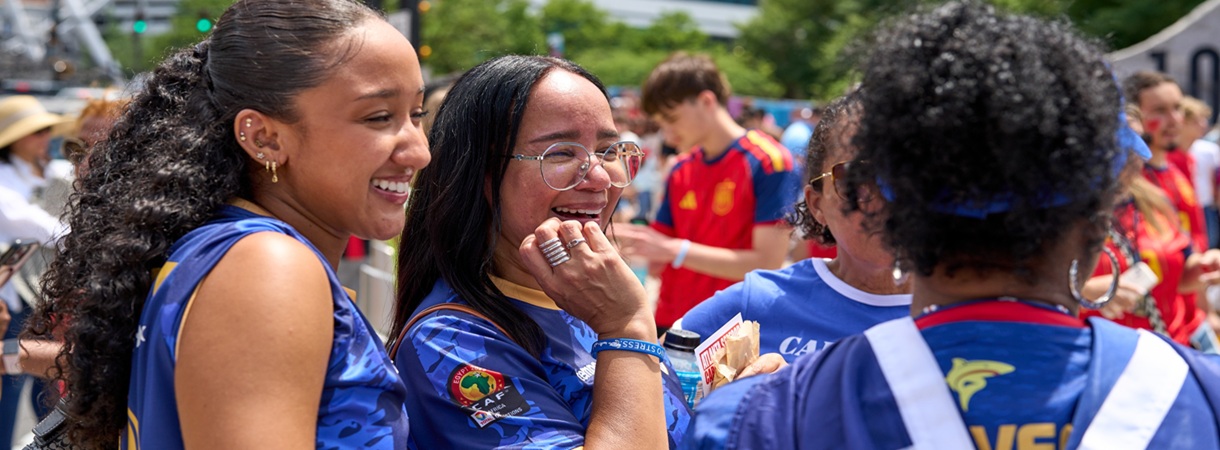
After an exhilarating series of over 100 matches in 16 host cities, the 2026 FIFA World Cup is set to conclude on July 19 with a highly anticipated final featuring Spain and Argentina. In the months leading up to the tournament, concerns surrounding the Trump administration’s immigration policies cast a shadow over the event. Measures such as travel bans, visa bond requirements, and immigration enforcement apprehensions affected players, coaches, officials, and fans, particularly those from countries like Iran.
However, as the tournament kicked off in mid-June, the World Cup in the United States showcased its original mission of fostering cultural exchange and joy across borders.
Communities Uniting to Welcome the World
From small towns to major metropolitan areas, American communities embraced the spectacle of the World Cup, extending warmth and hospitality to international teams and fans alike. The engagement went beyond mere attendance; it was a heartfelt celebration of diversity.
In an inspiring display of unity, residents of Lawrence, Kansas, welcomed the Algerian national team with open arms. The moment gained attention when a video featuring an elderly man expressing sheer joy at the team’s presence went viral. Lawrence’s selection as the team’s home base became a point of pride for locals.
Further illustrating this spirit of welcome, the Kansas City World Cup organizing committee set up a consular services center in Overland Park. This initiative aimed to offer essential diplomatic support, including emergency passport and travel document assistance to international fans. Such services significantly alleviated concerns for many visitors experiencing the area for the first time.
In Philadelphia, the Africatown neighborhood, home to the city’s largest African diaspora, became a hub for thousands of fans from Ghana, Ivory Coast, Curaçao, and Haiti. The city organized watch parties and fan festivals, showcasing the area’s rich history and vibrant culture while inviting newcomers to join in the festivities.
Bostonians were also swept up in the excitement, as Haitian fans took to the streets to celebrate after their country qualified for the World Cup for the first time since 1974. Despite travel restrictions preventing many from Haiti from attending, the Bostonian Haitian community rallied to embody the spirit of hope and celebration. Mayor Michelle Wu noted that Boston’s Haitian community is one of the largest in the world and remains resilient.
Boston also witnessed the fervor of Scottish fans, whose enthusiasm captivated the city. To celebrate the enduring friendship between the “Tartan Army” and local residents, both city and state officials officially welcomed the Glasgow Traffic Cone, a beloved Scottish tradition, to Massachusetts. This gesture further highlighted the inclusive nature of the World Cup experience.
The Norwegian team and its supporters also made a significant impact, notably with their celebrated “Viking Row” ritual, which attracted admirers from diverse backgrounds. In Greensboro, North Carolina, the local community warmly embraced the Norwegian training camp, with thousands attending open practice sessions and proudly donning Norwegian jerseys in local sports bars.
The Road Ahead
This World Cup serves as a poignant reminder that inclusivity is a fundamental American value. The event illustrated how communities across the nation opened their doors, allowing visitors to experience American customs while sharing their own. This stands in stark contrast to the stringent immigration policies pursued by the Trump administration, including a permanent travel ban and the recent Supreme Court ruling to end Temporary Protected Status (TPS) for several countries, which undermine the welcoming spirit exhibited at the World Cup.
As the 2028 Olympics in Los Angeles approach, it is imperative to reflect on how immigration policy and rhetoric can better align with the inclusivity celebrated during the 2026 World Cup. With the lessons learned from this remarkable event, there is significant work ahead to promote a welcoming atmosphere for all.
