


Accra Reaffirms Its Role in Africa’s Digital Economy
This week, Accra has emerged as a pivotal hub for Africa’s digital economy, hosting the 3i Africa Summit at Destiny Arena. Policymakers, regulators, bankers, fintech innovators, and investors have come together to discuss a central theme permeating every panel and conversation: artificial intelligence.
From the outset, discussions around AI set the tone for the summit. Ralph Mupita, President and CEO of MTN Group, emphasized the transformative potential of technology, stating that artificial intelligence, coupled with the increasing adoption of smartphones, is drastically reducing development timelines and creating opportunities that were previously anticipated to take a decade to realize.
However, Mupita cautioned that maintaining human oversight is essential to ensure the integrity of digital financial systems. Angela Arthur from GhIPSS underscored the economic implications, revealing that Africa accounts for 66% of global mobile money transactions and that AI could generate up to 40 million jobs across the continent in the near future.
Dr. Johnson Pandit Asiamah, Governor of the Bank of Ghana, identified key challenges such as fragmentation, high costs, and inconsistent regulatory frameworks as significant barriers to progress. He called for stronger leadership, enhanced collaboration, and a commitment to responsible innovation to navigate these hurdles.
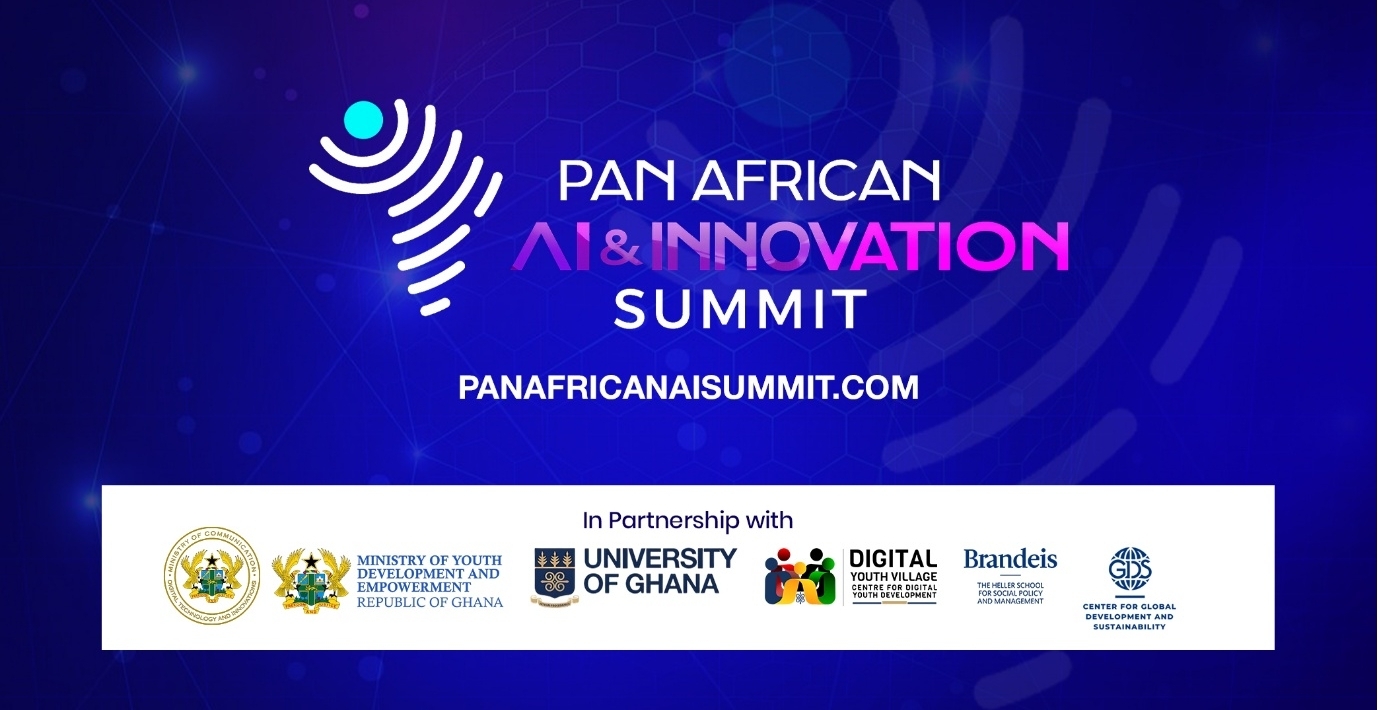
The summit’s agenda this year focuses on AI, tokenization, open banking, and digital public infrastructure, all crucial themes that are expected to be implemented in real time. While the 3i Africa Summit serves as a platform for designing integrated fintech architecture, the upcoming 2026 Pan-African AI & Innovation Summit (PAAIS) will operationalize the continent’s AI agenda—just four months away.
PAAIS 2026: Defining Africa’s Ethical AI Agenda
Scheduled for September 22-23, 2026, at the prestigious Kempinski Hotel in Accra, the second edition of PAAIS will focus on the theme: “Scaling Africa’s Ethical AI and Innovation Ecosystem: Youth Empowerment, Policy, Partnerships, and Skills.” Building on the success of the inaugural event in 2025, which attracted nearly 1,000 attendees and featured 43 speakers from over 30 countries, organizers aim to draw more than 2,000 delegates for the upcoming summit.
Participants will include government officials, central bank leaders, tech executives from companies like Google, Microsoft, IBM, and MTN, as well as venture capitalists and African AI entrepreneurs. This diverse gathering reflects the summit’s commitment to fostering a collaborative environment for advancing Africa’s ethical AI ecosystem.
Strategic Focus Areas for Business Leaders
While 3i Africa delves into fintech and financial regulation, PAAIS serves as a dedicated platform aimed at expanding Africa’s ethical AI ecosystem. The framework for the summit is structured around four strategic pillars that address pressing gaps within the business landscape in Ghana and beyond.
The first pillar focuses on youth empowerment, advocating for AI masterclasses, hands-on training, and mentorship to equip the next generation with practical skills. The second pillar emphasizes policy development, hosting ministerial roundtables to foster regulatory frameworks that encourage innovation while ensuring ethical oversight and accountability.
Partnerships and investments form the third pillar, with pitch competitions for AI startups and mechanisms to connect investors with emerging ventures in the African AI space. Finally, the fourth pillar investigates ethical applications of AI across various sectors, including education, agriculture, healthcare, and finance, while also addressing digital transformation for small and medium-sized enterprises.
Building Africa’s Local AI Solutions
For businesses in Ghana’s banking, telecommunications, insurance, agritech, and hospitality sectors, PAAIS represents a unique opportunity to move beyond theoretical discussions about AI and engage with the models and capital that will shape the industry’s future. The message is clear: Africa can no longer afford to be a passive consumer of AI technologies developed elsewhere. The continent requires solutions that are locally conceptualized, managed, and ethically grounded, necessitating persistent investment, cohesive policies, and skilled talent.
Participants in PAAIS 2026 have three avenues for engagement. Registration is free, promoting access to AI knowledge across the continent. Sponsors and strategic partners are invited to support masterclasses, pitch competitions, policy discussions, and youth programs, gaining visibility among decision-makers. Additionally, speakers, exhibitors, and innovators will have the opportunity to showcase their solutions through live demonstrations and mentorship sessions.
The discussions at 3i Africa have made one thing abundantly clear: AI is not just a topic for conversation at Africa’s major economic gatherings; it is a critical area of exploration. For executives, policymakers, and founders eager to shape the future, participating in PAIS will be a vital next step as the continent’s AI community reconvenes in September.
For further details on registration and partnership opportunities, visit panafricanaisummit.com. The 3i Africa Summit has generated significant dialogue around AI, and PAAIS 2026 aims to turn that dialogue into action.
