


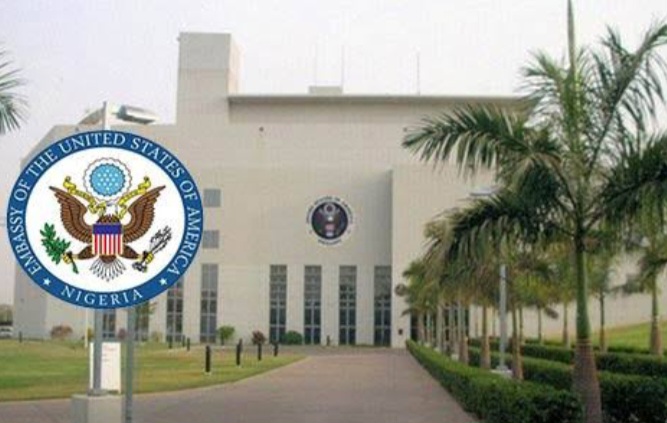
The US Mission to Nigeria has clarified that Nigerian students and exchange visitors with valid visas are not affected by the partial visa suspension introduced under Presidential Proclamation No. 10998.
In a statement released through its official X account on Monday, the mission said Nigerian students and exchange program participants who already hold valid F-1 and J-1 visas can continue their studies and academic activities in the United States despite the new restrictions.
The mission stated that “Nigerian students and exchange participants with currently valid F1 and J1 visas are not affected by Presidential Proclamation 10998. Students and exchange participants with visas can continue to contribute to learning, research, and innovation at U.S. universities and institutions.”
The clarification comes in the wake of growing concerns among Nigerian students after the United States announced a partial suspension of certain visas for nationals of 19 countries, including Nigeria.
The restrictions, which went into effect on January 1, 2026, were introduced pursuant to Presidential Proclamation No. 10998, entitled “Restrictions and Restrictions on the Entry of Aliens to Protect the Security of the United States.”
According to the announcement, the US government said:
“Effective January 1, 2026, at 12:01 a.m. ET, pursuant to Presidential Proclamation 10998 on “Restrictions and Restrictions on the Entry of Aliens to Protect the Security of the United States,” the Department of State will – Non-immigrant B-1/B-2 visitor visas, F, M, J student visas, exchange visitor visas, and all immigrant visas with limited exceptions.
The declaration initially raised concerns among Nigerian students and prospective students, as it suggested new student visas and exchange visas could be restricted, potentially impacting students planning to study, research, or participate in academic exchange programs in the United States.
However, clarification from the U.S. mission indicates that students and exchange participants who already hold valid visas can continue their programs without interruption.
The declaration also provides limited exemptions, including immigrant visas issued to ethnic and religious minorities facing persecution in Iran, dual citizens applying with passports that are not subject to suspension, U.S. government employees, participants in certain major sporting events, and special immigrant visas for lawful permanent residents.
The development comes amid a series of tightened US entry restrictions affecting Nigerian travelers.
In July 2025, the U.S. Department of State revised its visa policy for Nigerians, limiting most new nonimmigrant visas to a single entry with a three-month validity period. Previously, it was common for Nigerians to be issued multi-entry visas with long durations.
Additionally, as part of expanded digital screening procedures, visa applicants are required to disclose all social media usernames they have used in the past five years.
The US mission to Nigeria also warned that visa overstays by Nigerian travelers could impact future opportunities for other applicants.
In a further policy adjustment, the United States will suspend immigrant visa processing for Nigeria and approximately 74 other countries starting January 21, 2026.
Despite these enhancements, this mission clarification is expected to reassure Nigerian students currently studying in the United States that their academic plans will continue to be protected and that they can continue to contribute to learning, research, and innovation at American institutions.
Bolwatife Enome
follow me:
