


Nigeria and the UK Forge Strategic Agreements to Enhance Migration and Business Relations
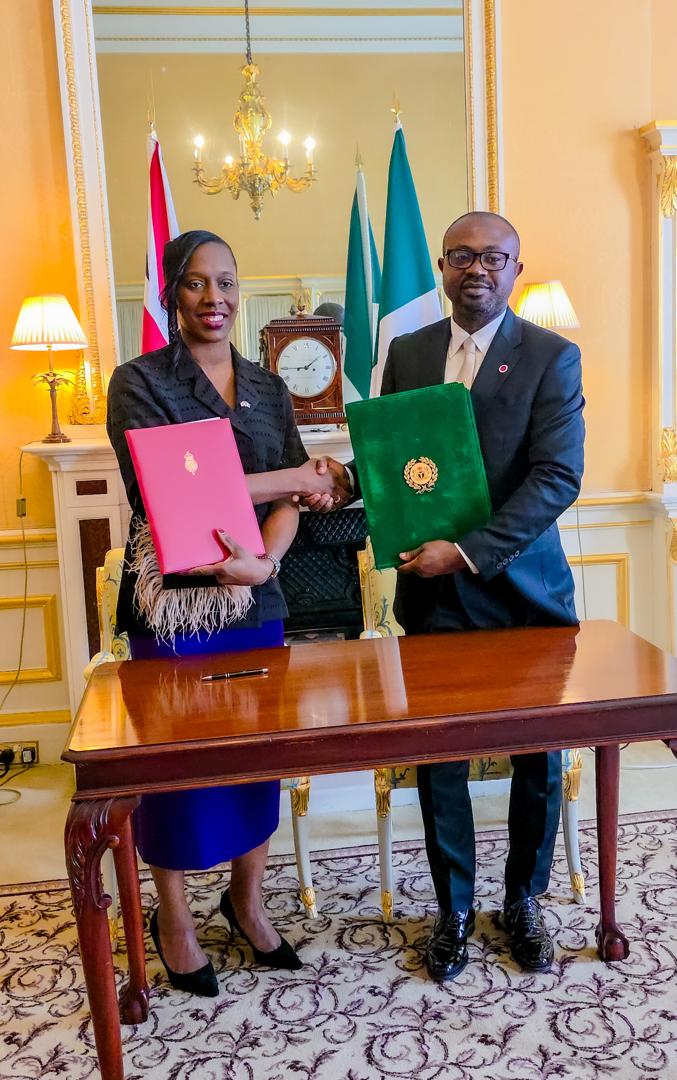
In a significant move to bolster collaboration, Nigeria and the United Kingdom have formalized three pivotal agreements focused on migration management, border security, and facilitating business mobility. These agreements were signed during a recent official visit by Nigerian representatives to the UK.
Key components of the agreements include a Memorandum of Understanding (MoU) on Migration Partnership, a Letter of Intent aimed at combating organized migration crime and enhancing border security, and an additional Letter of Intent designed to expand business visa options for British firms operating in Nigeria.
Nigeria’s Minister of Home Affairs, Olubunmi Tunji Ojo, represented the federal government in signing two of these agreements on Wednesday evening, with the final agreement being finalized on Thursday. His involvement underscores Nigeria’s proactive stance in addressing migration and security challenges.
Following the signing, Tunji Ojo emphasized that these new frameworks reflect Nigeria’s dedication to establishing a transparent and orderly immigration system that aligns with both national priorities and international commitments. He noted that this partnership illustrates the shared objectives of both nations in creating a migration framework that benefits their respective interests.
Tunji Ojo expressed confidence that the initiatives would bring tangible benefits within a year and could serve as a model for future bilateral agreements with other countries. He highlighted the existing strong collaboration between Nigeria and the UK Home Office as integral to the nation’s migration and security strategies.
In addition to tackling migration issues, the Minister reaffirmed President Bola Tinubu’s commitment to enhancing international cooperation in avenues that underpin national development and security. He reiterated Nigeria’s resolve to safeguard its citizens while ensuring accountability for those who exploit legal migration processes or engage in illicit activities.
Regarding the business visa expansion, Tunji Ojo stated that this initiative is part of broader reforms aimed at utilizing visa policies as a catalyst for economic growth and investment. He asserted that Nigeria’s ambition to cultivate a $1 trillion economy necessitates the removal of barriers to trade and economic collaboration, including challenges stemming from irregular migration.
Responding to these developments, UK Home Secretary Shabana Mahmood highlighted Nigeria’s unique position in the UK’s bilateral relations, noting that Nigeria is the first country to establish such a comprehensive agreement concerning migration. Mahmood expressed gratitude for the partnership and pointed out the shared vision for collaboration between the two nations.
During the discussion surrounding the third agreement, Nigeria’s UK Trade Minister, Florence Eshalomi, emphasized that the expanded business visa framework will yield significant economic advantages for both countries. He identified this agreement as a crucial step toward strengthening trade relations and fostering the economic growth of Nigeria, the largest economy in Africa. The agreements are anticipated to enhance cooperation in addressing organized migration crime, strengthening border security, and improving liquidity for businesses engaged in both nations.
