


Linking Land Governance to Insecurity in Northern Nigeria
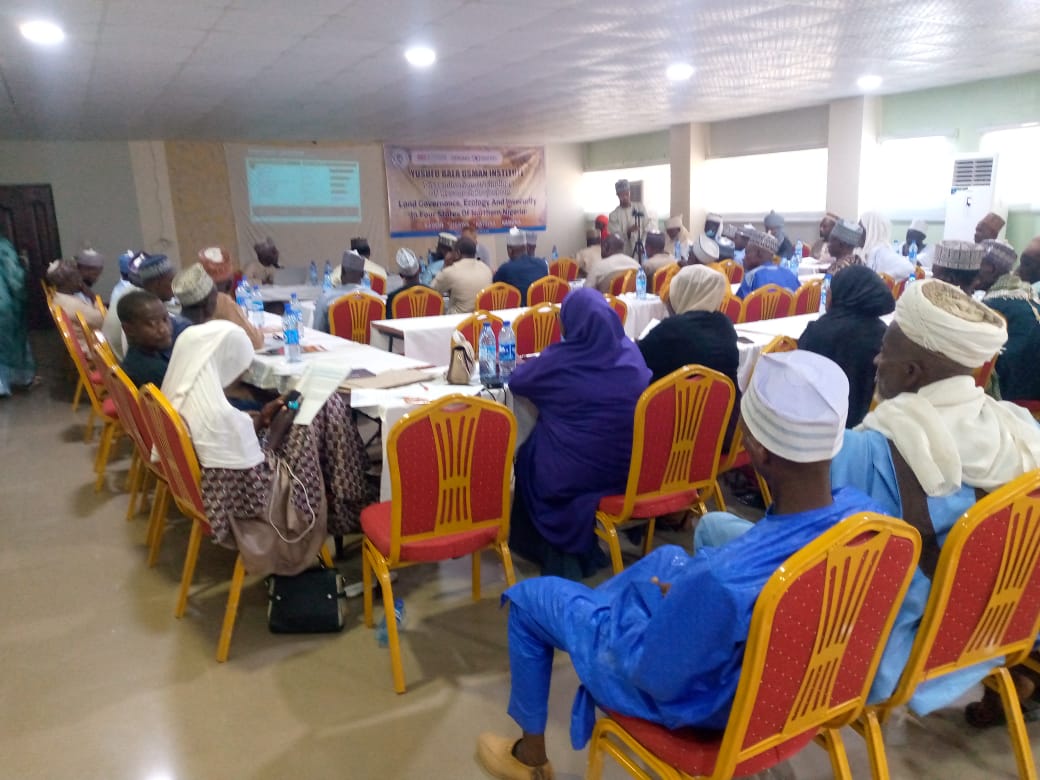
The Yusuf Bala Usman Institute has released research highlighting the connection between land governance issues, ecological degradation, and rising insecurity in northern Nigeria. The study’s findings were unveiled during a high-profile stakeholder meeting held at the Jamil Hotel in Azare, located within the Katagum Local Government Area of Bauchi State. This event drew participants from Bauchi State, one of four northern states involved in the research.
Project Scope and Funding Sources
The initiative encompassed additional states, specifically Jigawa, Kaduna, and Katsina, and was funded by the UK Foreign, Commonwealth and Development Office (FCDO) through the Strengthening Peace and Resilience in Nigeria (SPRiNG) programme. The comprehensive study has become a focal point for addressing pressing land-related issues in the region.
Engagement of Diverse Stakeholders
A wide array of stakeholders participated in the meeting, including traditional rulers, leaders from the Fulani community, Hausa farmers, and religious figures. Together, they discussed the research findings and explored actionable solutions to mitigate the challenges facing the region.
Key Issues Highlighted by the Study
Dr. Adam Higazi, who presented the findings, pinpointed land grabbing by politicians and agribusiness entities as a significant factor undermining rural farmers and pastoralists. He remarked that these land acquisitions have catalyzed indiscriminate deforestation, encroachment on grazing lands and forest reserves, the loss of farmland for smallholder farmers, and disruption of critical livestock routes, all of which exacerbate conflict and instability in the area.
Consequences for Pastoralist Communities
Higazi emphasized that pastoralist communities, particularly the Fulani in Bauchi State, face a shrinking availability of grazing lands due to land expropriation, ecological degradation, and increasing human activities. This trend has compelled many herdsmen to migrate from Bauchi to other parts of Nigeria and even neighboring countries in search of viable grazing options.
Recommendations for Policy Reform
The research team proposed measures to mitigate these challenges, including a ban on illegal tree felling, the restoration of forest and grazing reserves like Rigal Itas and Udubo Grazing Reserve, and the reopening of livestock waterways throughout the state. Additionally, there were calls for protecting land rights for both smallholder farmers and pastoralists, reforming land use laws, and establishing specialized committees to address pastoral, agricultural, and environmental concerns.
Urgency for Government Action
In his remarks, Mr. Abdullahi Umar Egi highlighted the importance of examining land governance, environmental degradation, and the escalating security situation, advocating for stakeholder insights to inform policy responses. Alhaji Muhammad Jauro Ghali, representing the Fulani community, urged authorities to take swift action to address the pressing challenges faced by pastoralists, especially the loss of grazing land and the increasing difficulties encountered by herders.
Call for Collaborative Solutions
Participants collectively emphasized the need for substantial government intervention to combat deforestation, restore livelihoods, and enhance peace and security throughout northern Nigeria. The meeting concluded with a unified call for continuous engagement and decisive policy action to tackle the root causes of land-related conflicts and environmental issues within the region.
