


Gas Prices Surge to $4 a Gallon Amid Ongoing Conflict in Iran
The average price of gasoline in the United States reached $4 per gallon on Tuesday, marking the highest level since mid-2022. This dramatic increase can be attributed to skyrocketing oil prices stemming from escalating tensions surrounding the conflict in Iran.
Impact of U.S. and Israeli Attacks on Gasoline Prices
Since the joint military actions by the United States and Israel against Iran, the cost of unleaded gasoline has surged by more than $1 per gallon. Data from the American Automobile Association (AAA) indicates that the national average price for gasoline stood at $4.02 on Tuesday morning.
Diesel Fuel Prices Climb Significantly
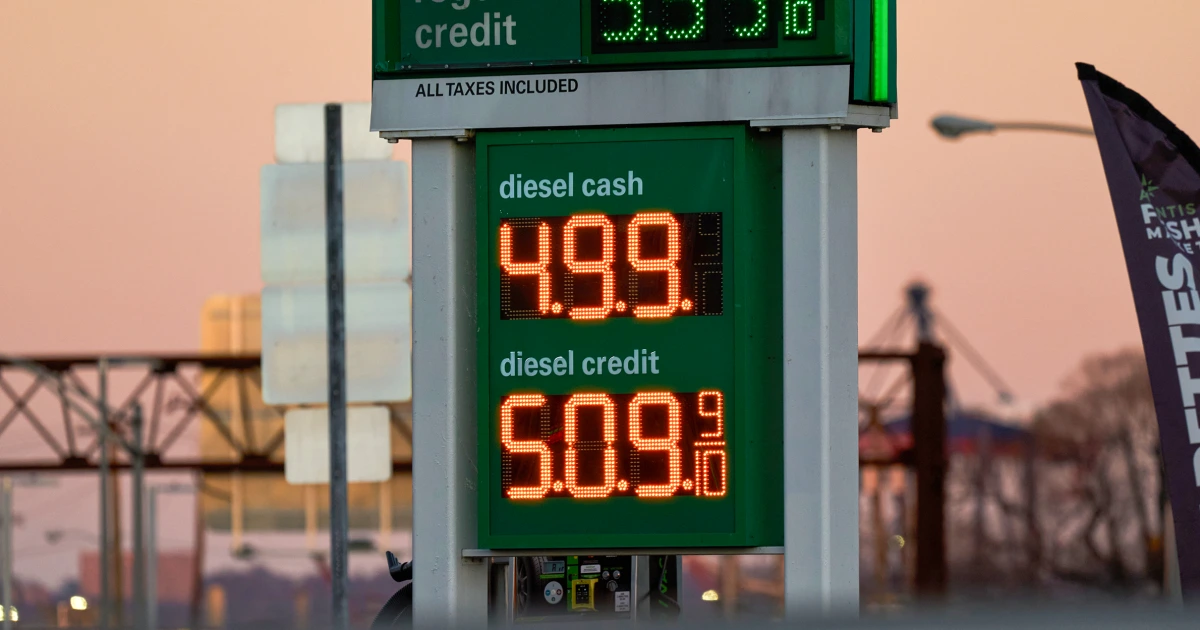
The price of diesel fuel, essential for powering trucks, farm equipment, and public transit, has also jumped significantly, now averaging $5.45 per gallon—over $1.80 higher than this time last year.
Rising Global Oil Prices Drive Fuel Costs
The primary catalyst for this increase is the soaring global oil prices. Since the conflict began on February 28, West Texas Intermediate (WTI) crude oil has gained more than 50%, while Brent crude oil has seen an uptick of nearly 60%.
Record Highs in Oil Prices
On Monday, U.S. oil prices settled above $100 a barrel for the first time since Russia’s full-scale invasion of Ukraine in 2022, indicating heightened volatility in the market. Brent crude is on track to achieve its steepest monthly price increase ever recorded.
Iran’s Response to International Actions
In retaliation to the military interventions, Iran has obstructed shipping routes through the Strait of Hormuz, a critical passage for global oil transport. Additionally, Iranian forces have targeted Gulf Arab states that are significant contributors to the oil supply.
Disruptions in Maritime Traffic
Typically, over 20% of the world’s oil supply transits through this strategic waterway; however, Iran’s aggressive stance has led to repeated threats against vessels crossing the strait. Consequently, major disruptions have caused many tankers to remain stranded in the Persian Gulf, unable to deliver their goods.
Effects on Consumer Spending and Economic Sentiment
This surge in gasoline prices is expected to diminish consumer spending on non-essential items, according to analysts at Bank of America. The average American household may spend an extra $740 on gas this year due to rising oil costs, as projected by the Stanford Economic Policy Institute.
Broader Economic Implications Across the Globe
As American consumers grapple with these increased fuel costs, nations in Europe and Asia that rely heavily on oil are facing even sharper energy shocks. The combination of inflation, fuel rationing, and downward adjustments in economic growth forecasts is creating significant challenges for millions worldwide.
