


Siemens Aims to Enhance South Africa’s Investment Initiatives
SANDTON, South Africa — Siemens is set to play a crucial role in South Africa’s upcoming investment drive, bolstering infrastructure development across key areas such as energy, water, transport, and digitalisation. The country is keen to capitalize on previous investment commitments to foster faster and more inclusive growth.
Alignment with National Goals
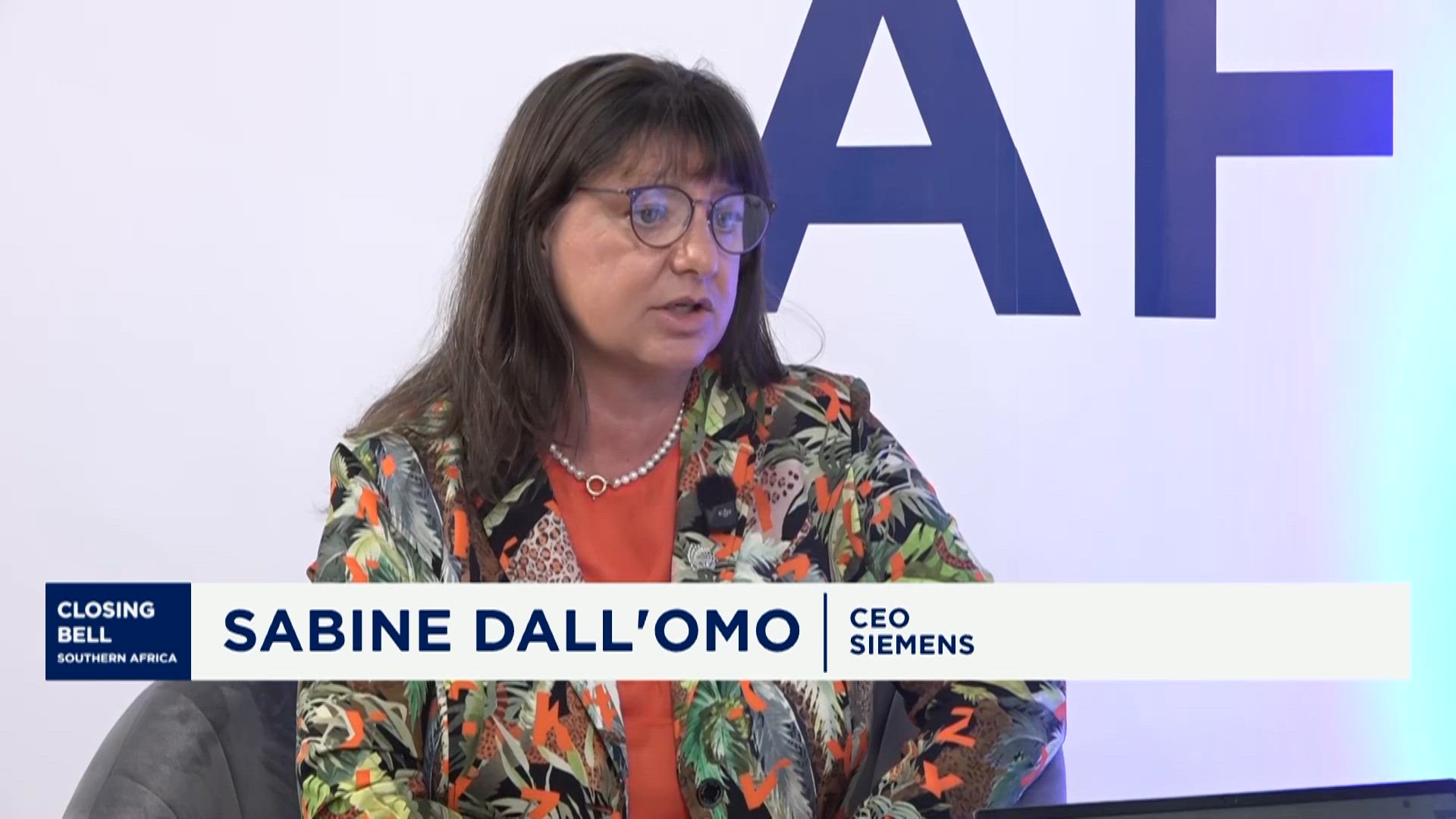
In a discussion with CNBC Africa during the 6th South Africa Investment Conference in Sandton, Siemens Sub-Saharan Africa CEO Sabine D’Alomo emphasized that the company’s initiatives align with the conference’s key themes of decarbonisation, digitization, and diversification. South Africa aims to build on the R1.5 trillion already secured in the first five years of the investment agenda, while also targeting an ambitious R2 trillion in new investments.
Infrastructure Modernization and Economic Participation
Dalomo indicated that Siemens sees a robust opportunity to support South Africa’s infrastructure modernization efforts. The company is dedicated to expanding industrial capacity and enhancing economic participation for historically marginalized communities. “Our commitment is centered around infrastructure and supporting South Africa’s transformation,” she noted. Siemens is particularly focused on advancing the energy sector by improving electricity and water networks, as well as enhancing transport and industrialization throughout Africa.
Positive Shifts in South Africa’s Energy Landscape
The commentary comes as South Africa witnesses a significant improvement in its energy outlook, alleviating years of persistent load shedding. Dall’Omo credited policy reforms and increased market liberalization as key drivers behind this positive change, stating that greater private participation has enabled faster delivery and heightened competitive dynamics.
Transforming the Power Sector
One notable transformation in the power sector is the burgeoning collaboration between independent power producers (IPPs) and Eskom, moving away from a reliance on a single dominant player. Dall’Omo believes this collaborative approach enhances speed, pricing, and overall system resilience. “Allowing multiple companies to operate in tandem fosters competition, which can help manage pricing effectively,” she explained.
Addressing Water Infrastructure Challenges
While the power sector shows signs of progress, Dalomo cautioned that the water crisis in South Africa remains more complex and significantly underfunded. Water management involves numerous stakeholders, complicating coordination efforts and straining funding. Addressing the nation’s outdated water infrastructure will require substantial investment and improvement of technical skills across the sector.
Leveraging Technology for Water Management
Dalomo noted that South Africa is not alone in its struggles; many developed nations are also seeking to modernize their water systems. Innovative technologies are emerging to enhance utility asset management, with digital tools that can improve revenue collection, detect leaks, and streamline network operations. However, she stressed that technology should be complemented by a focus on skills development, as the sector currently lacks sufficient technical expertise.
Future Workforce Development Initiatives
Siemens is committed to addressing the human capital challenges by investing in long-term skills development. The company collaborates with approximately 40 universities across Africa, providing students with free access to Siemens software tools to better prepare them for the workforce. Additionally, Siemens’ partnership with UN Women in the “African Girls Can Code” initiative aims to empower young girls with coding and cybersecurity skills, thus boosting employability and creating a strong future talent pool for the digital sector.
Interconnected Growth Strategies
As South Africa pursues its ambitious multi-trillion rand investment objectives, Dall’Omo emphasized that sustainable success hinges not only on funding projects but also on nurturing an ecosystem that integrates technology, policy stability, and talent cultivation. Siemens is set on a long-term journey in South Africa, emphasizing the vital intersections of infrastructure reform, digital transformation, and social inclusion.
