


Determining Eligibility for CalFresh and CFAP Benefits
During the recertification process, county officials will assess your eligibility for CalFresh. If, as a result of HR 1, you are deemed ineligible for CalFresh but qualify for the Community Food Assistance Program (CFAP), county staff will adjust your benefits accordingly.
The California Department of Social Services (CDSS) states that to qualify for CFAP benefits, individuals must not be excluded from CalFresh solely due to their immigration status as defined by the Personal Responsibility and Work Opportunity Reconciliation Act of 1996 (PRWORA).
Who Qualifies for CFAP Benefits?
Noncitizens who meet specific criteria may be eligible for CFAP. Advocates in the field, including Mendelsohn, emphasize the importance of removing immigration status as a barrier to food assistance programs. Notably, starting in October 2027, CFAP will be accessible to anyone aged 55 and older, regardless of immigration status, representing a significant expansion aimed at protecting immigrant communities from potential federal actions.
Women, Infants, and Children (WIC) Program Remains Unaffected
The Women, Infants, and Children (WIC) program will continue to operate without change as of April 1st. This essential program provides food assistance and support to families with young children. For those wishing to see if they qualify for WIC benefits, states typically offer an online assessment tool.
Impact on Immigration Status from Public Benefit Applications
The Trump administration has proposed a repeal of a 2022 regulation designed to eliminate barriers for most immigrants seeking public benefits, according to the California Department of Health and Human Services. Despite these proposals, the current rule remains in effect, meaning that applying for CFAP or CalFresh benefits does not impact U.S. visa applications or family-based green card petitions, as confirmed by the CDSS.
Accessing Local Food Assistance
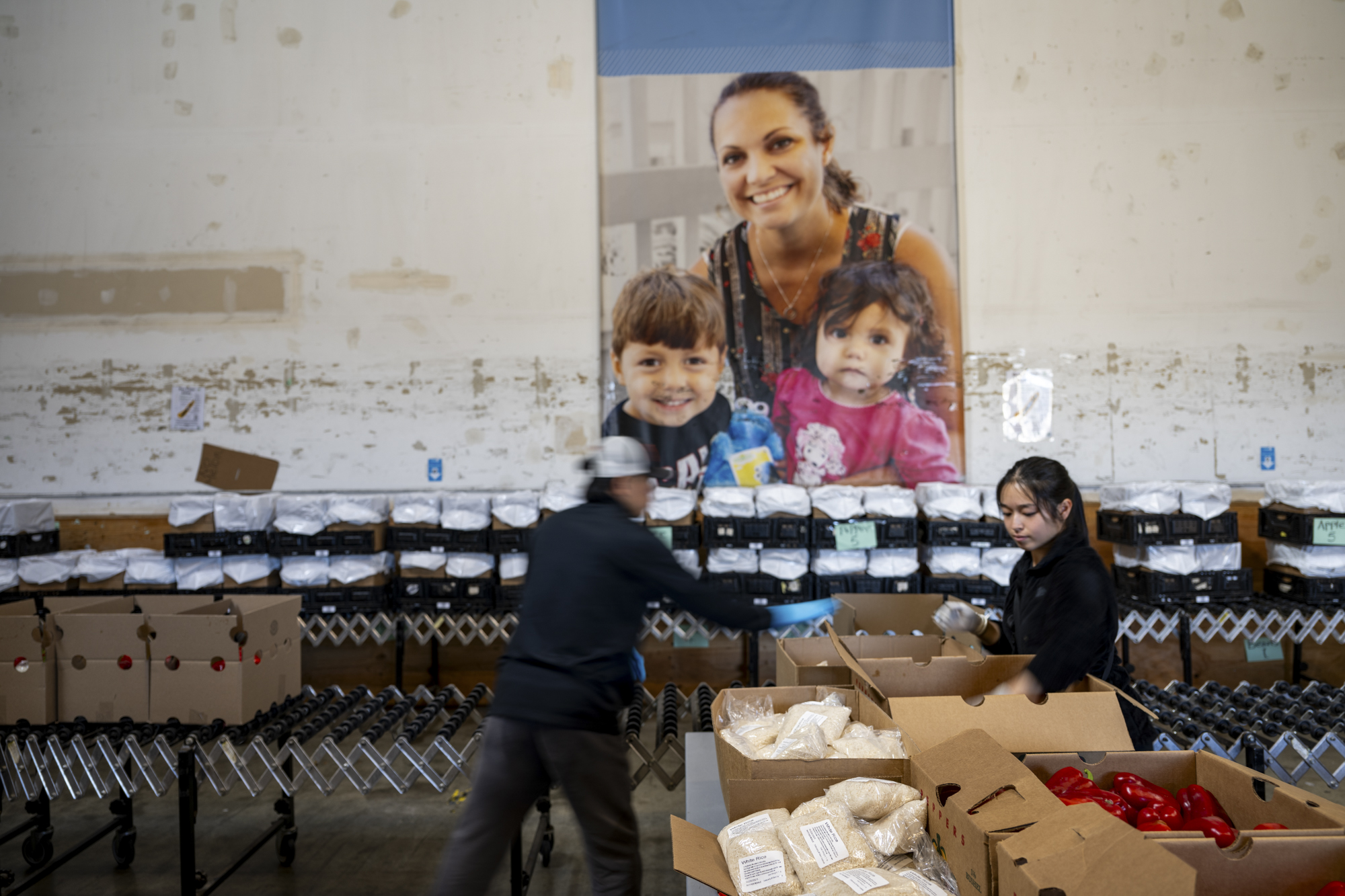
KQED provides a comprehensive guide to help individuals locate their nearest food bank or pantry. It is important to note that food banks often do not serve meals directly but instead distribute food to various partner organizations, nonprofits, and churches. Many food banks welcome individuals regardless of their immigration status. For instance, the SF-Marin Food Bank emphasizes its commitment to serving all community members without inquiring about immigration status.
While statewide food banks typically do not require identifying information for food access, those utilizing the Emergency Food Assistance Program may need to provide some details. It’s advisable for visitors to contact their local food banks to clarify any reporting requirements.
Local Resources and Support for Food Access
Many food banks, such as the Alameda County Community Food Bank, offer home delivery services for individuals unable to visit a location in person. This option has seen a notable increase in demand, attributed to concerns within immigrant communities regarding possible immigration enforcement measures. Trusted community organizations, like the Women’s Building in San Francisco and SIREN in the South Bay, also play a crucial role in connecting residents to food resources.
Before heading to a food bank or pantry, individuals should check online for hours of operation and any specific registration requirements. Some locations accept walk-ins, while others may necessitate advance registration or residency in a certain zip code.
CalFresh Resources in Multiple Languages
The CDSS provides a range of Q&A PDFs regarding the changes to CalFresh, which are available in several languages to ensure accessibility for all communities.
This article includes contributions from KQED’s Carly Severn and Sara Hossaini.
