


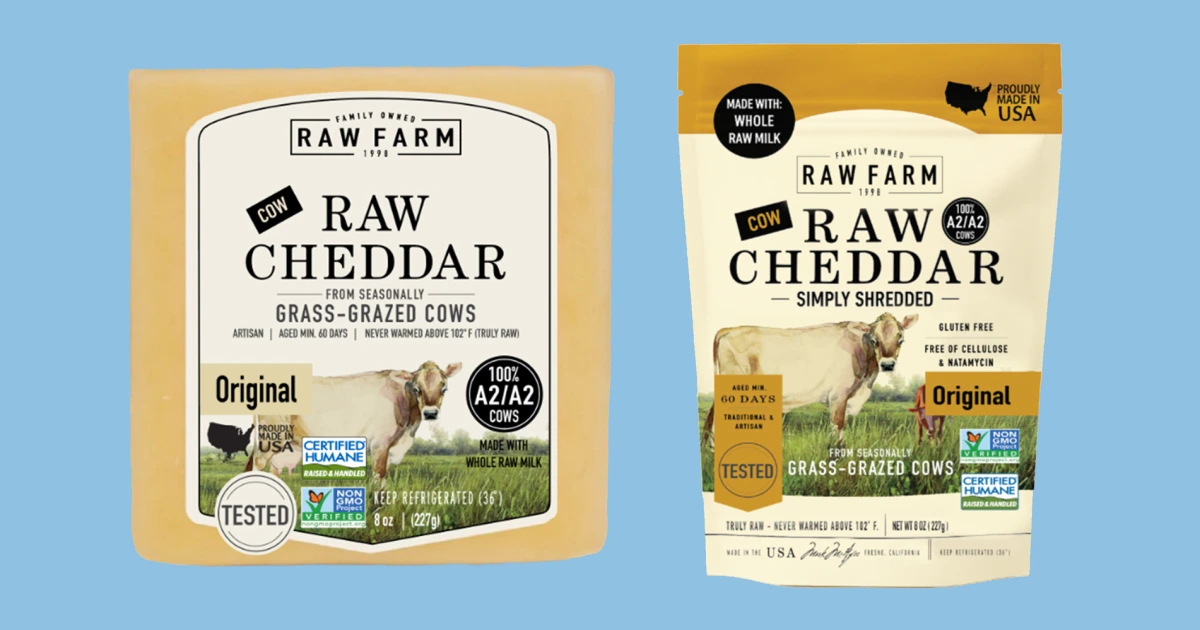
Raw Farm Issues Recall for Cheddar Cheese Linked to E. Coli Outbreak
Raw Farm is recalling its raw milk cheddar cheese in response to a reported outbreak of E. coli, specifically the O157:H7 strain, as confirmed by the Food and Drug Administration (FDA).
Investigation Reveals Link to Illnesses in Multiple States
As of this past Friday, the FDA has linked the cheese to nine individuals across California, Texas, and Florida who developed E. coli O157:H7 infections. This strain of bacteria is known to cause severe gastrointestinal symptoms, including stomach cramps, vomiting, and bloody diarrhea.
Health Impacts and Hospitalizations
Among those affected, three individuals required hospitalization, with one case resulting in hemolytic uremic syndrome, a potentially life-threatening complication that can lead to kidney failure. Alarmingly, more than half of the reported cases involve children under the age of five, although no fatalities have been recorded to date.
FDA Investigates Potential Source
In an effort to trace the infection’s source, FDA officials interviewed eight infected individuals. All reported consuming raw dairy products within the week leading up to their illnesses, suggesting a possible link between raw milk cheese and the outbreak.
Company Stands by Its Product Amidst the Recall
Although FDA testing of cheese samples for E. coli is ongoing, no positive results have been confirmed yet. Raw Farm’s President, Aaron McAfee, stated that the recall was a voluntary action taken in response to public concern and emphasized that the firm has no connection to the outbreak. The company maintains its position, disputing the epidemiological link suggested by the FDA.
Raw Dairy Products and Health Risks
Raw dairy products, including those affected by the recall, are made from milk that has not undergone pasteurization, a process intended to eliminate harmful bacteria. The Centers for Disease Control and Prevention (CDC) has previously warned that consuming raw milk poses significant health risks due to potential exposure to a variety of pathogens, including E. coli, Salmonella, and Listeria monocytogenes.
CDC Advises Caution for At-Risk Populations
Though most people infected with E. coli recover within five to seven days, certain groups, such as young children, pregnant women, seniors over 65, and individuals with compromised immune systems, face a greater risk of developing severe illness. Symptoms to watch for include prolonged diarrhea, excessive vomiting, and high fever above 102 degrees Fahrenheit.
