


Political Uncertainty in Nigeria Ahead of 2027 General Elections
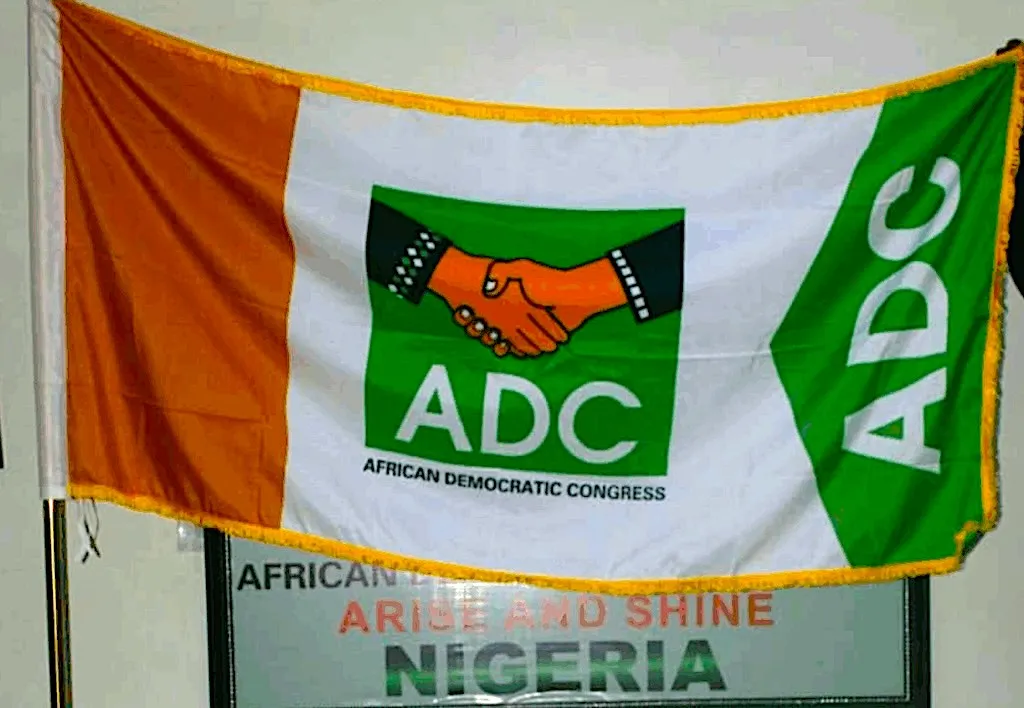
The ongoing tensions between the African Democratic Congress (ADC) and the Independent National Electoral Commission (INEC) are creating a cloud of uncertainty as Nigeria approaches primaries for the 2027 general elections. A recent ruling by the Court of Appeal prompted INEC to announce its decision to cease all official engagement with the ADC leadership, including the planned monitoring of the national convention set for April 14.
The ADC has vehemently contested this decision, arguing that INEC misinterpreted the court ruling and lacks the authority to disclaim legal responsibilities. Despite these challenges, ADC leaders have committed to proceed with their convention and other internal matters. However, a legal dispute fueled by rival factions within the party, particularly led by Nafiu Bala Gombe at the Federal High Court in Abuja, remains unresolved, casting a shadow over the party’s prospects without a clear timeline for resolution.
As the April 23 to May 30, 2026, deadline imposed by INEC for parties to hold primaries and finalize candidate submissions draws near, the crisis within the ADC threatens to disrupt critical strategic calculations. Politicians contemplating a shift to the ADC may now reconsider their options in light of the party’s instability.
Reliable sources indicate that members of the Peoples Democratic Party (PDP) and the Labor Party (LP) are reevaluating their plans to defect to the ADC. Political commentators caution that if the crisis endures beyond INEC’s primaries, notable presidential candidates aligned with the ADC—such as Atiku Abubakar, Peter Obi, Rotimi Amaechi, and Chukwuemeka Nwajiuba—may need to explore alternative platforms for their campaigns.
According to recent surveys, many federal lawmakers who recently joined the ADC are first-term representatives who are now contemplating their re-election strategies. The urgency of potential exits has heightened since nine senators from various parties declared their allegiance to the ADC during a recent plenary session in the Senate, signaling a notable shift in political dynamics.
A number of representatives, including Senator Aminu Tambuwal from Sokoto South and several others from Anambra and Kaduna, have openly defected. This further emphasizes the fluidity of alliances as political landscapes shift leading up to the elections in 2027.
Emergence of the Nigeria Democratic Congress
Amidst the turmoil within the ADC, attention is turning towards the newly formed Nigeria Democratic Congress (NDC), which is steadily attracting notable political figures. Among these is former Bayelsa State Governor Seriake Dickson, whose recent movements have catalyzed new collaborations within the opposition. Reports suggest that Dickson is actively working to bring influential politicians into the NDC, including Governors Bala Mohammed and Seyi Makinde, with the latter reportedly reconsidering his previous interest in the ADC.
The recent acceptance of defectors from the ADC, SDP, and LP into the NDC signifies a growing momentum. The defection of key figures, including former ADC senatorial aspirant Barrister Amanda Pam, has resulted in a significant restructuring of the party’s base within the Federal Capital Territory.
Mr. Dickson has asserted that the NDC’s expansion in the FCT is indicative of a nationwide movement, suggesting that the challenges faced by the ADC could have implications for democracy in Nigeria. He emphasized that instability within one opposition party poses a threat to the entire opposition landscape, thus advocating for unity to safeguard Nigeria’s multiparty democracy.
Political analysts point out that the NDC’s appeal lies in its relatively unencumbered status compared to older parties, making it a compelling choice for politicians seeking a stable platform ahead of the elections. Aminu Yakudima, a founding member of the PDP, noted that many defections are driven by internal crises and strategic repositioning among various parties.
Growing Interest in the Action Democratic Party
Simultaneously, the Action Democratic Party (ADP) is experiencing a surge of interest from politicians seeking alternatives in light of the ADC’s instability. Discussions involving leaders from the ADC, LP, and PDP are reportedly underway as they explore coalition possibilities for the upcoming elections.
ADP national chairman Yabagi Yusuf Sani confirmed that recent meetings with prominent figures, including former Vice President Atiku Abubakar, aim to fortify opposition coalitions and prevent Nigeria from slipping towards a one-party system. He articulated concerns over the current government consolidating power at the expense of opposition unity.
As the primaries loom, the interplay between the ADC’s internal challenges and INEC’s position has created an unpredictable political landscape. The next few weeks will be critical in determining whether opposition parties can unite or if fissures will deepen, fundamentally altering the path towards the 2027 general elections.
