


Idaho Farmers Face Challenges Amid Rising Immigration Enforcement
This year has proven particularly tough for Idaho farmers, who are grappling with reduced water availability, escalating fuel prices, and a dwindling workforce. These issues are putting significant strain on agricultural operations throughout the region.
Struggles at Quays Farm
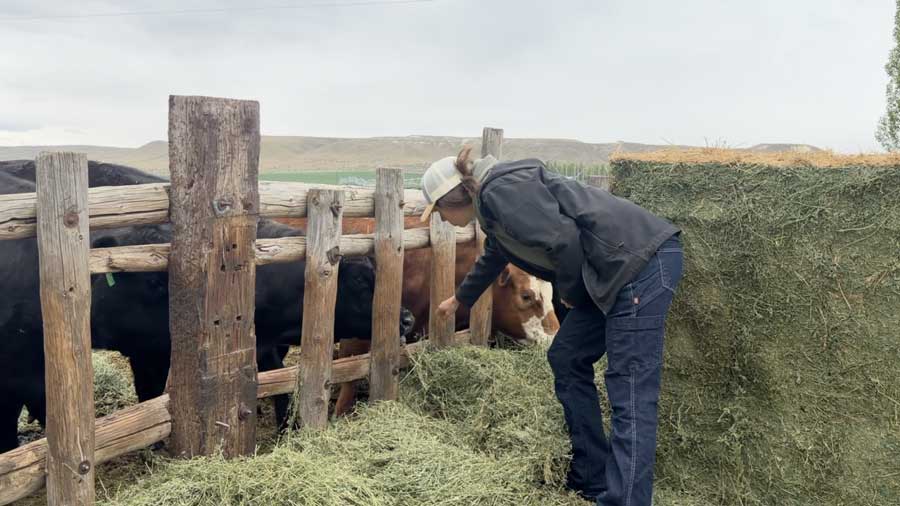
Bethany Gotts, the owner of Quays Farm in Mountain Home, oversees a 500-acre family operation that she inherited after her father’s passing. With a long-standing shortage of field workers, Gotts finds herself managing much of the labor personally.
Immigration Enforcement Complicates Hiring
Gotts has noted that heightened immigration enforcement is exacerbating her hiring difficulties. Attempts to recruit local workers have not yielded positive results. Despite advertising job openings on social media, interest has largely faded.
Challenges in Local Recruitment
“I reached out to seven individuals interested in the job, but none of them followed through after I provided more details,” Gotts explained. She emphasized the challenge of finding legally authorized workers with the same work ethic often seen in immigrant laborers. “It’s disheartening,” she added.
Impact on the Community
Increased enforcement measures have created an atmosphere of fear among potential employees. “It’s heartbreaking to see how the community is affected,” Gotts remarked, highlighting the deep concerns among individuals living under the threat of apprehension.
Considering Alternative Solutions
Hiring undocumented workers is not a viable option for Gotts, given the significant legal risks involved. Currently, she is exploring the federal H-2A visa program, which permits temporary foreign agricultural workers to work in the United States. “I’m investing around $200,000 to develop a small housing unit for H-2A workers next year,” she shared.
Broader Economic Implications
The instability in the agricultural workforce could have far-reaching effects beyond the farm itself. While immediate rises in food prices may not be evident, Gotts warns that the repercussions could manifest in the next two to three years as this year’s crop cycles into market availability. “What we produce now will influence shelves next year and beyond,” she explained.
A Call for Comprehensive Solutions
Gotts advocates for long-term strategies that benefit both farmers and workers. She expressed concern over the frequent mischaracterization of farmers as exploitative. “We value our workforce; they’re part of our community,” she stated, emphasizing the need for pathways to citizenship for migrant workers. “Our systems have not adequately supported these individuals or the farmers who rely on them,” she concluded.
