


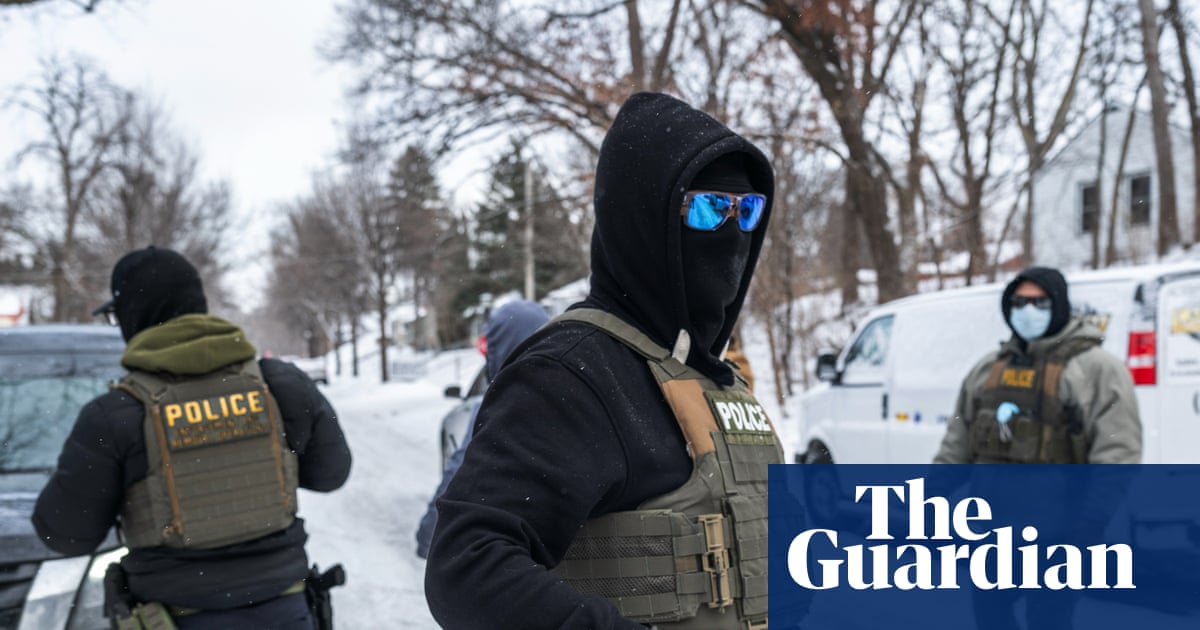
Concerns Emerge Over Qualifications of Newly Hired ICE Employees
The rapid recruitment and expansion efforts of U.S. Immigration and Customs Enforcement (ICE) have raised alarms regarding the qualifications of its newest employees, according to a recent investigation. This hiring spree coincided with the aggressive deportation policies of the Trump administration, which necessitated the addition of 12,000 new agents and special agents to bolster the agency’s workforce.
Notable among these new hires are individuals with dubious backgrounds, including cases of personal bankruptcy, short tenures in previous law enforcement roles, and allegations of misconduct. One recruit, for instance, faced accusations of falsifying police reports, leading to a $75,000 settlement due to the wrongful prosecution of an innocent woman. Another applicant struggled to meet the standards of a police academy, ultimately holding a single police job for just three weeks.
This massive recruitment initiative was made possible by a $75 billion funding increase from Congress, aimed at implementing President Donald Trump’s immigration policies. However, this emphasis on swift hiring has resulted in concerns about inadequate background checks and training for new agents, particularly following several instances of excessive force used by ICE officers.
Claire Trickler McNulty, a former ICE officer who served across three presidential administrations, emphasized the risks associated with hurried recruitment processes. She highlighted that inadequate scrutiny could lead to increased liability for the agency, exposing it to potential misconduct and abuse of power.
While ICE maintains that most new hires have prior law enforcement experience or military backgrounds, an investigation by the Associated Press indicates growing evidence that many applicants were not thoroughly vetted. Reports suggest that a significant number of new agents may have questionable histories, raising further concerns about the agency’s hiring practices.
The outgoing acting director of ICE, Todd Lyons, expressed pride in the agency’s hiring protocol during a Congressional hearing, citing over 220,000 applicants for the roles. He asserted that this expansion would enhance ICE’s effectiveness in carrying out immigration policies. Despite this claim, there are increasing doubts regarding the integrity of the hiring process.
An internal memo reportedly instructed ICE regulators to forward any “defamatory information” about new hires to Internal Affairs for investigation, indicating awareness of potential issues with newly employed agents. Among them, Carmine Gruliacci, who filed for bankruptcy twice, and Andrew Penland, who faced allegations of wrongful arrest, exemplify the troubling trends associated with ICE’s recent hiring practices. Such patterns raise significant concerns about the agency’s commitment to stringent hiring standards and thorough vetting procedures.
Further complicating matters, former instructors at the ICE Academy have claimed that critical training components—including use of force protocols—have been diminished, raising questions about the capabilities of recently hired personnel. As ICE continues to recruit under the pressure of policy mandates, the scrutiny of its hiring practices will likely intensify, calling for a reevaluation of its strategies in ensuring the effectiveness and integrity of its workforce.
