


As immigration enforcement continues to result in detentions and deportations across the United States, a disturbing trend has emerged: scammers are increasingly targeting vulnerable families. These fraudsters prey on those eager to reunite with detained loved ones or resolve unresolved immigration issues, leading to a spike in scams aimed at these desperate families.
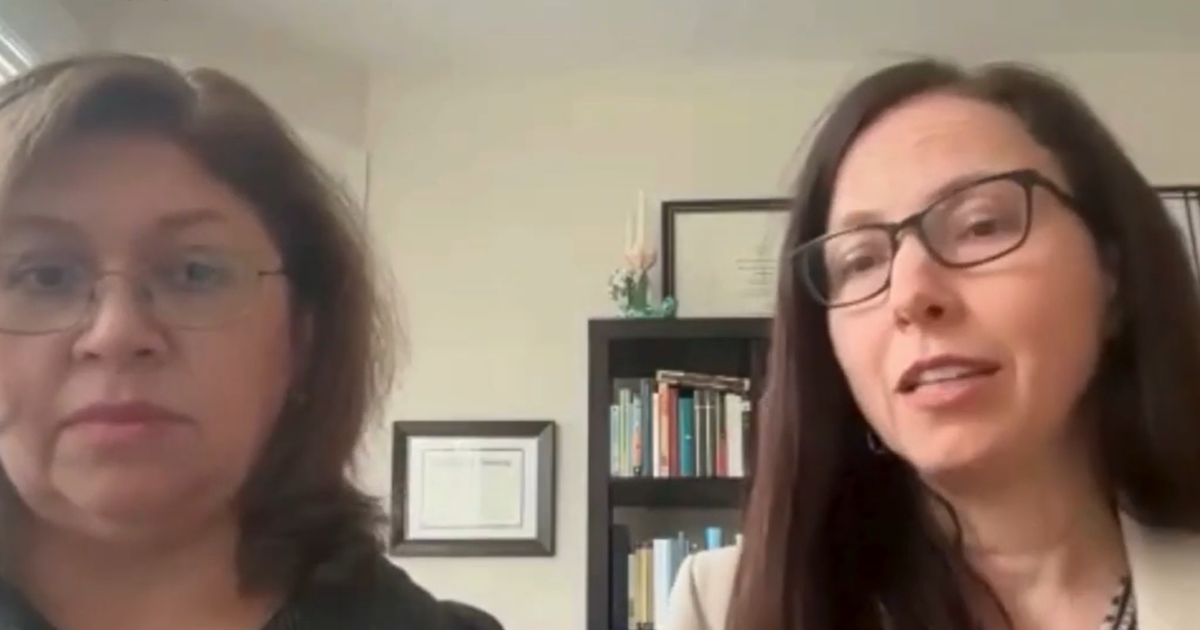
This alarming situation came to light during a recent virtual news briefing organized by the Federal Trade Commission (FTC). Experts, including Monica Vaca, a longtime FTC employee with a history of securing substantial consumer refunds, highlighted the emotional turmoil families face when a loved one is taken into Immigration and Customs Enforcement (ICE) custody. Scammers exploit this vulnerability, often extorting thousands or even tens of thousands of dollars from victims.
Vaca explained that the effectiveness of these fraudulent schemes is partly due to their reliance on payment methods that are difficult to reverse. Fraudsters often request payments via money orders, Zelle transfers, wire transfers, Cash App, cryptocurrency, and gift cards—methods that obscure the perpetrators’ identities while making it challenging for victims to recover lost funds.
No One is Immune to Scams
Kati Daffan, a former litigator at the FTC for 15 years, noted that scammers frequently make contact just as individuals begin searching for lawyers online. They often assure victims of their ability to successfully release family members from detention or resolve legal issues. Daffan pointed out that advertising on social media and directly contacting individuals through calls, texts, or emails is relatively inexpensive and commonly used by fraudsters. Consequently, no one is truly safe from being approached by scammers.
As these fraudulent actors develop increasingly sophisticated tactics, they often create fake documents or stage elaborate scenarios to convince families that they are interacting with legitimate legal professionals. Daffan noted instances where scammers presented convincing law licenses, sometimes even adopting the names of real California attorneys. In extreme cases, individuals posing as judges have conducted fake immigration hearings via Zoom, issuing fraudulent bond judgments or deceptive release orders.
Another tactic used by these criminals includes providing what appear to be government-issued documents, such as fake receipts claiming that ICE has taken the victim’s bond. For families under stress, it can be all too easy to accept these documents as legitimate, leading them into further predicaments with fraudulent claims.
Identifying Warning Signs of Fraud
Fraud typically unfolds through a series of small, manageable payment requests rather than one large sum. Victims may initially pay a deposit of several hundred dollars, only to face additional charges for bond applications, the bond itself, and various unexpected fees, which can quickly accumulate into thousands of dollars. A key warning sign to consider is whether initial contact is made via social media or in response to an online advertisement, a tactic increasingly used to target those seeking immigration assistance. Daffan emphasized that anyone promising a guaranteed success should be viewed with skepticism, as no one can assure a successful outcome in such uncertain circumstances.
Protecting Family Assets in Vulnerable Situations
Vaca stressed the importance of safeguarding family assets in the event of a loved one’s detention, particularly if that person is the primary income earner. She recommended that family members gain access to bank accounts, as there are concerning reports of relatives being shut out of funds because they were not designated on the account. Adding another responsible family member to the bank account can ensure accessibility in emergencies.
Concerns also extend to vehicles, which may be towed during traffic stops while individuals are detained, incurring daily fees that can significantly burden families. Vaca advised that individuals retrieving a towed vehicle may need to be listed on the insurance policy or title to gain access, underlining the importance of adding a trusted family member to these documents. Establishing a limited power of attorney can further protect assets by allowing designated individuals to manage financial matters on behalf of someone who is detained.
Preparing for the Unexpected
Even if services are not immediately required, pre-vetting resources can help families avoid reliance on unscrupulous providers. Established organizations, such as the American Immigration Lawyers Association and the Immigrant Advocates Network, offer directories of vetted legal services and local support organizations. Vaca highlighted that individuals often seek immigration services in moments of panic, particularly on platforms like Facebook, where the risk of falling prey to scams is significantly heightened.
Daffan also warned against the use of “notarios,” noting that while the term may refer to a legal professional in parts of Latin America, it does not confer the same qualifications in the United States, where notary qualifications are easily obtained and knowledge of U.S. immigration law is not guaranteed.
Creating a family plan for potential detentions can alleviate stress during emergencies. Discussing responses to such situations prepares families to act decisively, even when personal distress may cloud judgment. By putting a plan in place, families can navigate unexpected challenges without rushing into decisions that could exacerbate their predicament.
Roxie Lin is a California Local News Fellow at the University of California, Berkeley Graduate School of Journalism.
