


Kano Emirate Dispute Delayed Until 2027
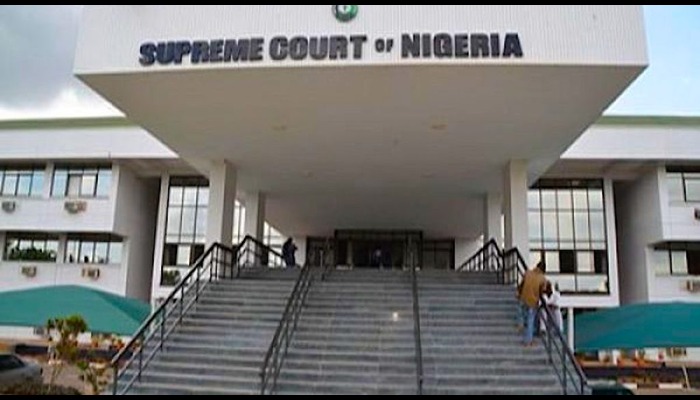
The ongoing crisis surrounding the Kano Emirate in Nigeria has taken another significant turn this week, as the Supreme Court announced a postponement of the highly consequential hearing until April 17, 2027. This extension further delays the resolution of a long-standing dispute that has reshaped traditional governance in the state.
Legal Proceedings Extended Without Substantive Argument
Judge Adam Jauro, who is overseeing the case, set the new hearing date without engaging in substantive legal arguments. This decision effectively prolongs a complex legal battle that has traversed multiple administrative transitions and various court jurisdictions.
Historical Context of the Kano Emirate Conflict
The profound complexities of the Kano Emirate dispute highlight years of contentious institutional reforms and political shifts that have resulted in overlapping legal claims. The origins of the crisis can be traced back to 2019 when the state government, under former Governor Abdullahi Ganduje, undertook a controversial move to divide the historic Kano emirate into five distinct entities: Kano, Bichi, Rano, Karaye, and Gaya. This division was widely perceived as politically motivated and culminated in the resignation of Emir Muhammadu Sanusi II in 2020, raising questions about the extent of executive authority over chiefdoms.
Legal Challenges Emerge Following Restructuring
In response to the emirate’s division, opposing factions quickly initiated legal action, contending that the restructuring failed to adhere to due process and undermined long-standing traditions. Supporters of the move argued that the state was operating within its constitutional rights, complicating the legal landscape even further.
Political Reversals Fuel Ongoing Legal Battles
The situation escalated in 2024 when Governor Abba Kabir Yusuf’s administration repealed the law that had facilitated the creation of additional emirates, reinstating Sanusi II as Emir of Kano. This decision triggered a new wave of lawsuits from former chiefs and other stakeholders who questioned the legality of both the initial fragmentation and its subsequent reversal.
Conflicting Court Decisions Lead to Uncertainty
The emergence of conflicting court rulings at various judicial levels has exacerbated the existing confusion surrounding the issue. Ongoing injunctions and counter-injunctions have left the legal framework regarding the rightful occupants of traditional leadership positions in disarray.
Supreme Court to Address Key Constitutional Issues
The Supreme Court’s hearings are anticipated to provide a definitive interpretation of the constitutional and statutory issues central to the crisis. These include the authority of state governments over traditional institutions and the legality of measures enacted by successive administrations.
Implications of the Delay on Governance and Cultural Heritage
The postponement of the hearing has left the situation in limbo, as analysts express concern that this delay may exacerbate tensions within Kano’s political and traditional spheres. Loyalties to competing claimants complicate the already fragile stability in the region. As this legal saga unfolds, residents and stakeholders are increasingly anxious about the broader implications for governance and the preservation of cultural heritage in the emirate, which has historically been integral to community leadership, conflict resolution, and spiritual guidance.
Long-Term Implications for Traditional Institutions
While the Supreme Court is set to reconsider the matter in 2027, observers suggest that the eventual ruling is poised to generate significant precedents for the interaction between state authorities and traditional institutions throughout Nigeria. Until a resolution is achieved, the Kano emirate crisis remains unresolved, standing at the intersection of history, law, and evolving political dynamics.
