


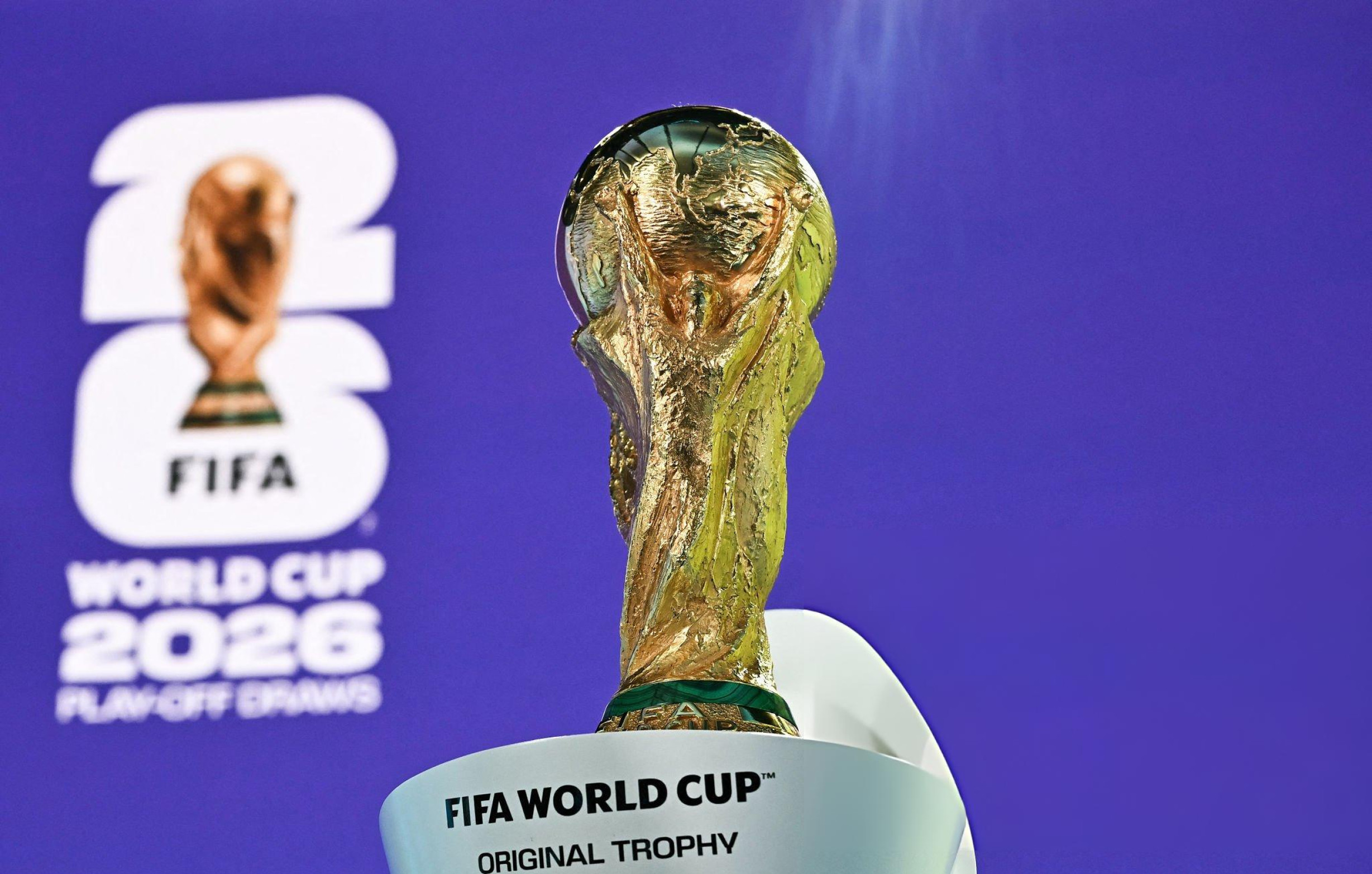
As the World Cup approaches, the spotlight often shines on traditional football powerhouses such as Argentina, Brazil, Germany, and Spain. Fans eagerly anticipate witnessing their star players perform on the global stage, bearing the hopes of their nations. However, each tournament unfolds numerous narratives, many of which center around lesser-known teams.
The Role of Underdogs in Creating Unforgettable World Cup Moments
Every World Cup has its share of underdogs—teams that enter the tournament with little fanfare yet end up becoming pivotal to the storyline. These teams have long contributed to the tournament’s identity, often exceeding expectations and capturing the hearts of fans worldwide. The expanded format for the upcoming 2026 World Cup increases the chances of unexpected surprises, heightening the anticipation.
Noteworthy Underdogs for the 2026 World Cup
With 48 nations set to participate in the 2026 World Cup, the stage is open for teams that have struggled to qualify in previous editions. Many of these teams have already demonstrated their ability to compete at high levels, as they seek to make their mark in the tournament.
Norway’s Emerging Talent
Norway is a standout contender thanks to its impressive offensive capabilities. With players like Erling Haaland, known for his exceptional finishing skills, and Martin Ødegaard, who brings vision and control to midfield, Norway is poised to redefine its approach. Unlike before, when they focused primarily on organization, the team now possesses the ability to dominate matches. If they can find consistency, they may progress further than many anticipate.
The Resilient Moroccan Squad
Morocco enters the tournament with renewed confidence, having shifted perceptions during the last World Cup with an impressive performance. Superstars like Achraf Hakimi and Sofian Amrabat, who have amassed experience on the world stage, lend a sense of maturity to the squad. This group is now accustomed to the high-pressure environment of knock-out football, making them formidable contenders.
Japan’s Tactical Discipline
Japan’s strength lies in its collective structure and tactical discipline rather than star power. The team’s concerted pressing strategies and coordinated movements pose challenges for opponents. While individual talents such as Kaoru Mitoma shine, Japan’s real advantage is its cohesive teamwork, enabling them to hold their ground against more storied foes.
Ecuador: Rising Competitors
Ecuador continues to evolve as a competitive side, despite lacking the reputation of other South American teams. Its roster features young players thriving in top leagues, whose physical strength offers a significant advantage. The squad’s ability to press, recover, and counter quickly can disrupt opponents who aim for ball control.
The Dynamic Ghana Team
Ghana presents a unique threat with its emphasis on speed and direct play. The team’s willingness to attack early can catch opponents off guard. Players like Mohamed Kudus have the talent to create scoring opportunities without holding onto the ball for extended periods. Despite the unpredictability of tournament football, Ghana’s prior experiences may influence their approach and ability to succeed.
The Impact of Small Nations at the World Cup
Underdogs also come in various forms, including those distinguished by their size. Curacao is a prime example, boasting a population of just around 170,000. Their qualification for the tournament highlights the global reach of football, demonstrating that the passion for the game transcends geographical limitations.
Ticket Pricing for the 2026 World Cup
For fans eager to witness the tournament, ticket prices will vary significantly. Group stage tickets are expected to range from approximately $60 to over $1,000, depending on the match and venue. Prices for the final could reach as high as $10,990, influenced largely by demand. For many fans, the critical question will be whether these underdog teams offer a genuine chance at victory, enough to make the experience truly memorable.
The Influence of Coaching on Championship Wins
National identity plays a crucial role in international football. Despite the progress some nations have made with foreign coaches, no country has yet won a World Cup under a foreign leadership. While various teams have come close to clinching the title, it remains a common trend for champions to be led by coaches from within their own countries.
Ultimately, underdog teams add an exhilarating element to the tournament. They inject unpredictability into the matches and create moments that linger in the memories of fans long after the final whistle. Support for these teams often rivals that of well-established football nations, based on shared narratives and emotional connections.
