


Stakeholders Urge Urgent Review of Freight Forwarding Fees in Nigeria
Key stakeholders in Nigeria’s freight forwarding and clearing sector are calling for an immediate overhaul of the existing fee structure. There is a strong demand for stricter enforcement of local content laws and the introduction of new regulations aimed at fostering a more balanced and inclusive operating environment.
Continued Tariff Increases Draw Concern
During discussions with journalists in Lagos last week, officials expressed concerns that ongoing tariff hikes are hampering trade, discouraging local participation, and worsening economic conditions across the nation. Kenneth Ofrum, a medical practitioner, pointed out that the current customs framework is making it increasingly challenging for transporters and importers, leading to many businesses shutting down due to rising operational costs.
Resistance to Shipping Rate Hikes Intensifies
In March, freight forwarders at Lagos ports declared their intention to oppose any increases in shipping rates levied by shipping companies. This resistance escalated when aggrieved agents organized protests at the offices of major shipping firms in Apapa, Lagos State, rejecting recent shipping charge hikes.
Protests Disrupt Operations at Major Shipping Firms
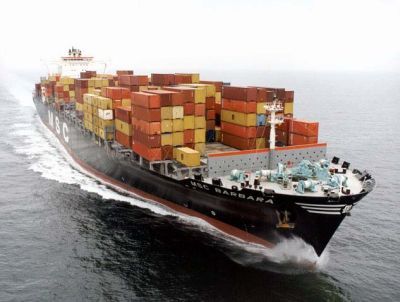
The protests, which began at the MSC Shipping offices on Commercial Road in Apapa, soon expanded to include the Lagos Niger Shipping Company and Pacific International Lines, resulting in a complete suspension of operations at these companies. Stakeholders have voiced their discontent regarding the unilateral decision-making in rate increases, particularly without prior consultation.
Call for Comprehensive Stakeholder Engagement
In early April, the Shippers Council of Nigeria convened with maritime stakeholders, including shipping lines, forwarders, importers, and exporters, to advocate for thorough engagement before implementing any proposed tariff hikes. Ofrum emphasized the need for government policies to be sensitive to economic realities, warning that revenue-generating measures currently in place exert excessive pressure on businesses, ultimately leading to higher consumer prices.
Concerns Over Unclaimed Cargo and Local Participation
Ofrum noted that rising tariffs have led to an increase in unclaimed and overdue cargo at ports, as many importers struggle to meet the financial obligations necessary to clear their goods. He also raised alarm over the growing dominance of foreign entities in roles traditionally held by Nigerian operators within the clearing and transfer value chain.
Urgent Need for Local Business Protection Policies
Industry leaders, including Haruna Omolajumo, Managing Director of Harsecom Logistics Limited, stressed that government policies must deliberately promote local participation in maritime businesses. He pointed to the collaborative requirements enforced in other nations, such as Ghana, where foreign companies must partner with domestic operators to ensure local economic engagement. Omolajumo lamented the lack of such structured policies in Nigeria, which has facilitated foreign dominance in the sector at the expense of local enterprises.
Escalating Operational Costs Pose Threat to Small Businesses
The rapid escalation of port-related charges was highlighted, with costs that used to be around N10,000 now soaring into the hundreds of thousands of naira. This alarming trend creates significant barriers for small businesses striving to remain operational. Stakeholders underscored that while governments must generate revenue, such initiatives should not undermine trade facilitation or jeopardize the viability of indigenous businesses.
