


Cinco de Mayo Parade Canceled Again Due to Immigration Concerns
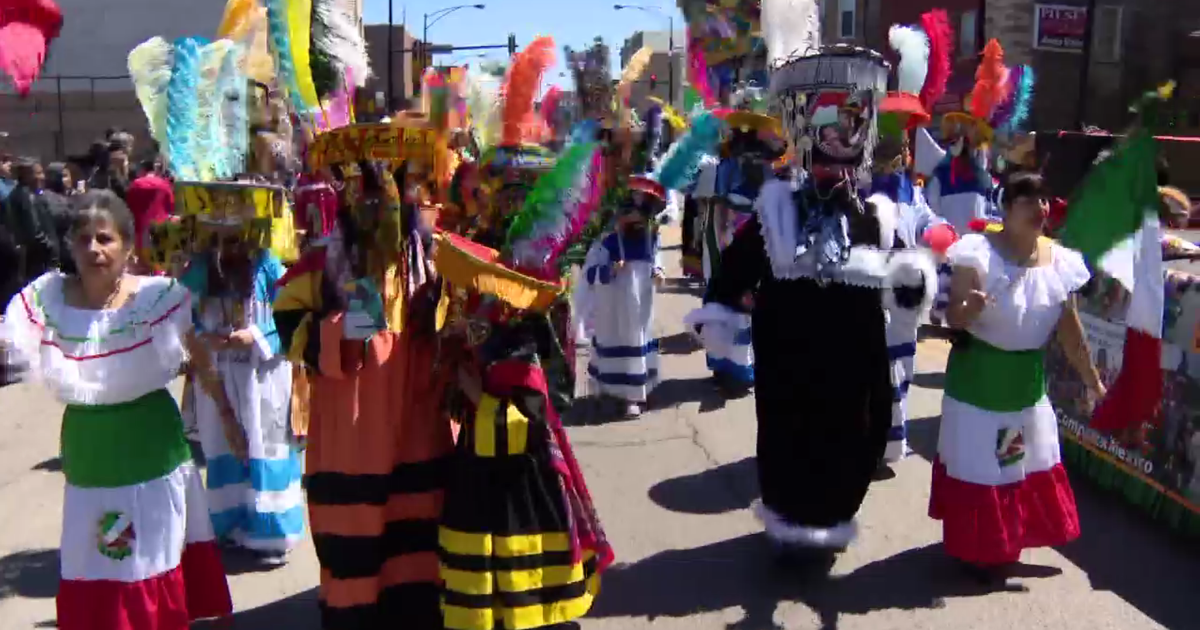
For the second consecutive year, organizers have canceled the Cinco de Mayo parade in the Little Village neighborhood, citing apprehensions related to federal immigration enforcement. The decision has sparked concern among local officials and restaurant owners, who believe the cancellation will adversely impact business on what is typically a festive occasion.
Cultural Impact on Local Businesses
La Casa de Samuel, a local staple since 1989 known for its handmade tortillas, stands at the heart of this issue. Operated by Arturo Linares, who inherited the restaurant from his grandfather, the establishment has seen a decline in dine-in customers, a trend attributed to heightened immigration enforcement under the previous administration. “Everyone is affected, not just us,” Linares commented, reflecting a widespread atmosphere of fear and uncertainty.
Community Leaders Address Safety Concerns
This prevalent anxiety is a key factor behind the cancelation of the annual celebration by Hector Escobar, president of both the Cermak Road Chamber of Commerce and Casa Puebla. “It’s not about money, it’s about community safety,” said Escobar, lamenting the loss of a cultural event that has been celebrated for over 40 years and commemorates Mexico’s victory at the Battle of Puebla in 1862.
Recent Violence and its Influence
Escobar noted that feedback from the community played a significant role in the decision to cancel the parade. Last year, a festive gathering of over 5,000 attendees was marred by gunfire along the parade route, resulting in 27 arrests linked to a confrontation among rival gangs. Such incidents enhance the community’s fears surrounding public gatherings.
Mixed Reactions to the Parade’s Cancellation
Local leaders expressed surprise over the decision to cancel this year’s festivities, especially given a perceived decrease in Immigration and Customs Enforcement (ICE) activities in recent months. Baltazar Enriquez, president of the Little Village Community Council, criticized the current administration’s impact on community morale: “It’s unfortunate that this administration has traumatized our neighbors to the point where we don’t want to celebrate because we’re afraid,” he remarked.
The Economic Ramifications
Restaurants like Casa de Samuel often rely on the influx of attendees during the parade. “They always come here because they want to have a good time while eating,” Linares stated, expressing disappointment in the cancellation. The knock-on effect of losing such events raises concerns about the long-term viability of businesses dependent on these celebrations.
Looking Ahead: Hopes for the Future
Despite uncertainty about future events, Escobar maintains hope for a turnaround next year. “We hope that next year the situation will be different, but at the moment we have to be very careful with what we do.” Cinco de Mayo has evolved in the United States into a celebration of Mexican-American culture, originating from 19th-century California, and encompasses vibrant parades, street food, block parties, and traditional dances. Nonetheless, the day is often confused with Mexico’s Independence Day, which is celebrated in September.
