


Infrastructure Development’s Double-Edged Sword in Abuja
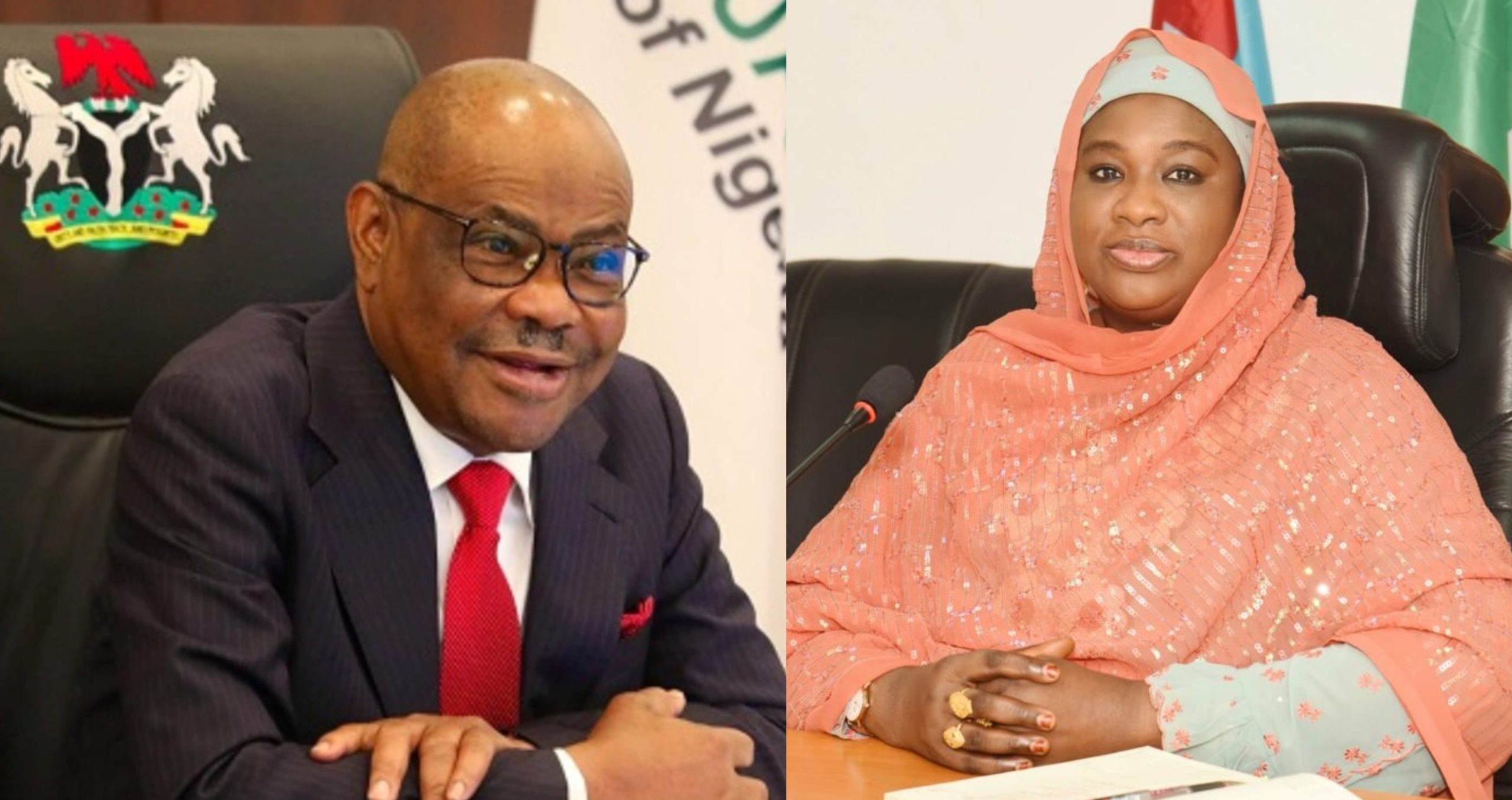
Despite commendable efforts by Nyesom Wike, the Minister of the Federal Capital Territory, and Dr. Mariya Mahmood, Minister of State, in advancing infrastructure in Abuja, true development extends beyond a mere tally of newly paved roads. It fundamentally hinges on the quality of life for citizens—those who rely on accessible healthcare, educational opportunities, and urban functionality.
The Disparity Between Modern Infrastructure and Healthcare
A tour of Abuja’s medical facilities starkly illustrates this disparity. While the roads leading to these centers are impressively broad and well-maintained, the interiors present a grim reality. Cracked walls with peeling paint, overcrowded or broken benches, and patients forced to wait in stifling conditions reveal the pressing issues that should not be overlooked.
Basic Healthcare Shortages and Strain on Resources
Institutions such as Maitama District Hospital struggle with dwindling stocks of essential medications, and health workers are often overwhelmed, forced to navigate a system marred by inadequate resources and neglect. For countless residents, seeking medical care in Abuja is not an anomaly but a frustrating routine.
Governing in a Landscape of Dual Realities
This dichotomy—smooth roads juxtaposed with inadequate healthcare—embodies a complex governance reality in Abuja. Most observers agree that a fair evaluation of the current administration must consider this tension. While the government has rapidly improved infrastructure, significant questions persist: Are these advancements equitably enhancing the overall well-being of Abuja’s residents?
Human Development Must Complement Physical Growth
At the core of the debate lies a critical imbalance between physical development and human capital. Although roads and bridges may enhance the city’s landscape, without parallel investments in healthcare and education, their long-term benefits for residents remain tenuous. To truly grasp the broader implications, we must look beyond asphalt and concrete to the essential services that directly impact daily life.
Visible Infrastructure Versus Underlying Social Needs
While infrastructure initiatives capture attention and serve as politically advantageous achievements, investments in healthcare, education, and sanitation require more sustained and less flashy commitments. Although these sectors critically influence the quality of life, their complexities often elude the immediate political spotlight, creating a skewed sense of progress.
The Strain on Public Services and Long-Term Strategy
Furthermore, the current trend highlights a concerning gap in services such as education and environmental health. Many public schools face overcrowded classrooms and inadequate resources, while poor sanitation and waste management continue to plague the city. A strategic reevaluation is crucial, as these social investments are not just supplementary but fundamental in fostering economic growth and social cohesion.
Rebalancing Development Efforts for a Sustainable Future
A holistic approach is urgent to combat the widening inequalities exacerbated by an infrastructure-focused agenda. Sustainable progress in Abuja necessitates a recalibration that prioritizes healthcare accessibility, educational reform, and robust environmental policies, alongside the admirable infrastructure projects undertaken. Achieving visible outcomes in these critical areas will redefine the narrative of development, ensuring all residents benefit from the government’s efforts.
