


Dallas Police Department Navigates Immigration Tensions
In the midst of ongoing political tensions surrounding President Donald Trump’s immigration policies, the Dallas Police Department (DPD) is steadfastly avoiding becoming embroiled in contentious situations. This careful approach is crucial as the local law enforcement agency works to balance its responsibilities with the realities of federal immigration enforcement.
Governor Threatens Funding Over Immigration Policies
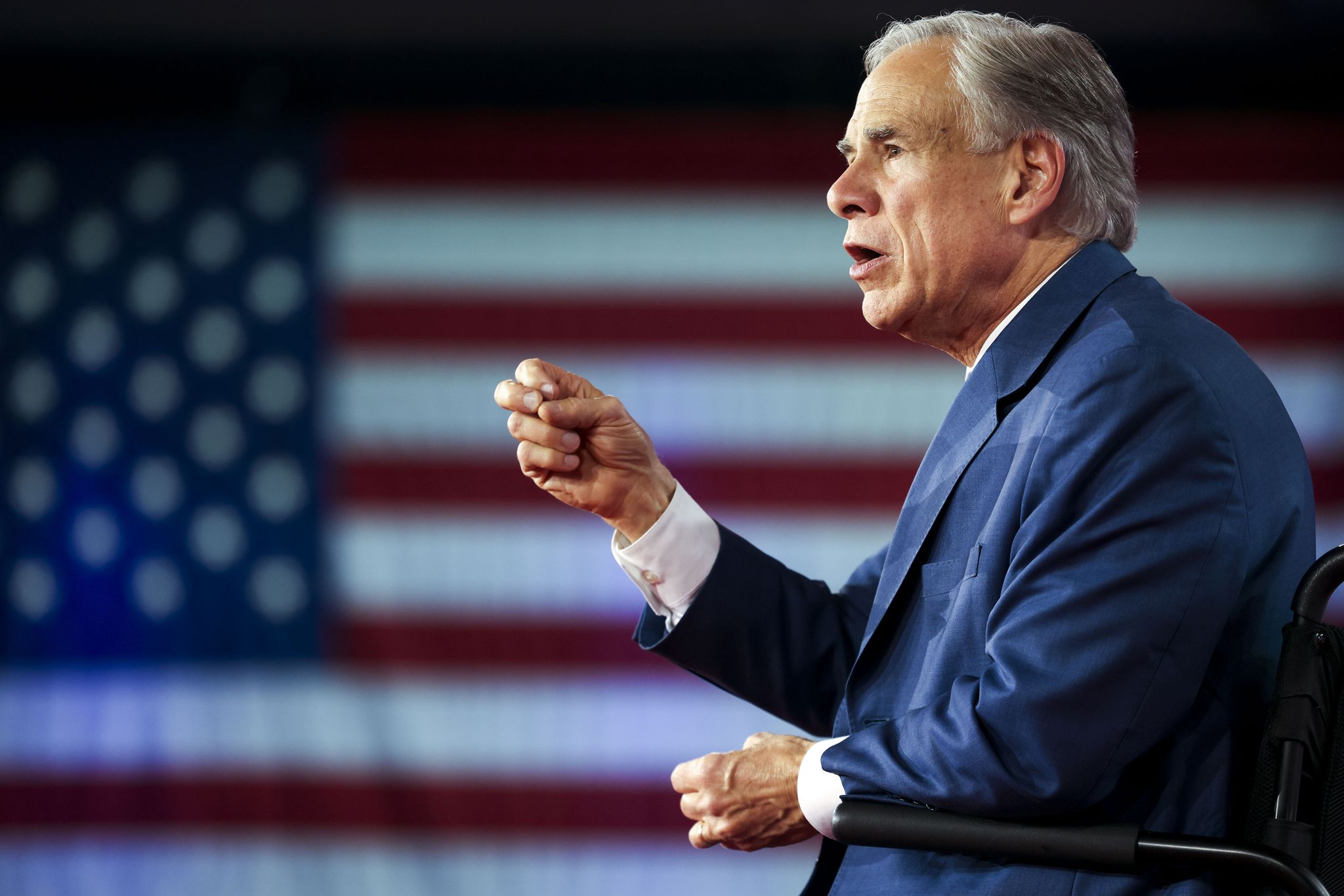
Governor Greg Abbott recently threatened to withdraw $32 million in funding from Dallas due to language in the DPD’s policy directives that prohibits officers from detaining individuals solely based on immigration status. This ultimatum highlights Abbott’s dissatisfaction with the DPD’s efforts to maintain a collaborative relationship with federal authorities while also respecting the limitations of local enforcement capabilities regarding federal immigration laws.
Call for Transparency Meets Law Enforcement Concerns
This year, Police Chief Daniel Comeau, who previously served with the U.S. Drug Enforcement Administration, declined a request from the Community Police Oversight Board to disclose details on interactions between Dallas police and immigration officials. While DPD often works alongside federal agents in gang-related arrests and other criminal investigations, the department has faced intense scrutiny from activists urging an end to any cooperation with Immigration and Customs Enforcement (ICE).
Debate on Police Collaboration with ICE
In a striking contrast, Mayor Eric Johnson recently urged the City Council to consider a partnership with ICE that would authorize police officers to engage in immigration enforcement. This proposal was initially rejected by Chief Comeau, who cautioned that such moves could negatively impact the department’s ability to respond to emergency calls—a critical concern given the current struggles with response times in the city. Ultimately, the City Council sided with the police department, emphasizing the need for local discretion in law enforcement.
Understanding the Limitations of Police Authority
Dallas police appear to recognize the delicate balance between cooperating with federal immigration authorities and acknowledging their limitations in acting as immigration agents. When individuals are arrested for suspected criminal activity, they are held in the Dallas County Jail where local authorities can detain them on ICE’s behalf. However, DPD’s policies clearly state that if no lawful cause for arrest exists, officers cannot prolong a stop solely for immigration inquiries.
Legal Implications of Immigration Enforcement
This stance reflects not just a political viewpoint but also a legal one. Various law enforcement organizations, such as the International Association of Chiefs of Police, have raised concerns that detaining individuals solely under immigration warrants—actions that local officers cannot enforce—could expose cities to lawsuits. Such legal battles would ultimately fall on taxpayers to finance.
Reactions to Abbott’s Funding Threat
In response to Abbott’s funding threat, Chief Comeau expressed a commitment to reviewing departmental policies with a diplomatic approach. However, comments from Sean Pease, President of the Dallas Police Association, emphasized that such threats are “very concerning.” DPD aims to maintain ethical practices while recognizing the necessity of cooperating with ICE on serious criminal matters, including gang and human trafficking investigations.
With all these developments, it raises questions about Governor Abbott’s motives in threatening to defund a police department led by a respected former federal agent, while simultaneously seeking cooperation from that very agency. Amid this backdrop, it is clear that Dallas police are not adversaries in the broader immigration debate.
