


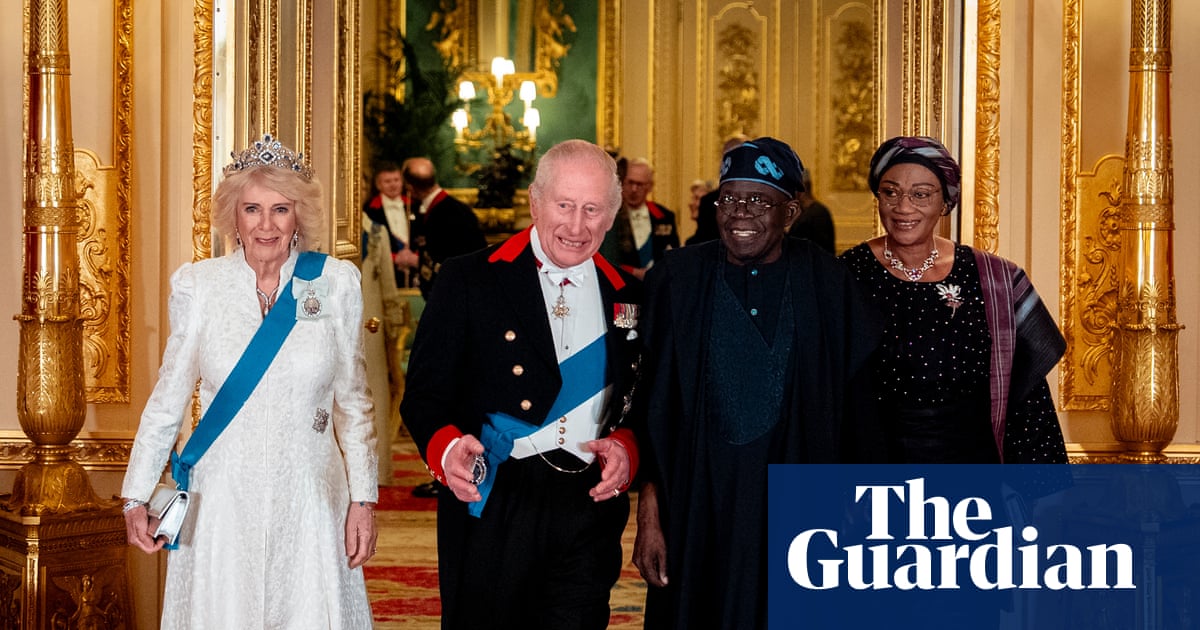
King Charles Addresses Colonial Legacy in State Dinner for Nigerian President
King Charles recently welcomed Nigerian President Bola Tinubu to the UK at a state dinner, acknowledging a shared history marked by colonialism. This year, calls for a formal apology from the British monarchy regarding transatlantic slavery and colonial practices are expected to intensify.
Nigeria and the UK’s Future Trade Relations
As discussions around reparations gain momentum, Nigeria and the UK are both focusing on the positive prospects of global trade. Tinubu’s state visit marks a significant milestone; he is the first Nigerian president to receive such an honor in 37 years and the second African leader to be welcomed at Windsor Castle since Liberia’s William Tubman in 1962.
Strengthening Economic Ties
This visit signals a new phase in UK-Nigeria relations, rooted in colonial history, yet aimed at enhancing Nigeria’s objectives of becoming a regional superpower. The partnership also holds potential benefits for the UK’s struggling steel industry. During the banquet, the king highlighted the deep connections between the two nations while acknowledging the complexities of their shared past.
Investment in Nigeria’s Infrastructure
A key component of their collaboration is a £746 million loan from the UK aimed at renovating two of Nigeria’s trading ports. This initiative not only emphasizes the UK-Nigeria partnership but also seeks to move beyond the contentious discussions surrounding reparative justice, which are set to be explored during this year’s Commonwealth Heads of Government meeting.
A Drive Towards Diversification
Amid efforts to reduce dependency on oil, Nigeria aims to become a maritime hub in West and Central Africa, capitalizing on its rich resources and burgeoning consumer markets. However, the Lagos ports currently face significant congestion, underscoring the urgency of the British-backed renovation project, which promises to direct millions to UK suppliers, including British Steel.
Enhancing Cultural and Educational Ties
The visit also marked the announcement of various collaborations in the fintech, creative, and higher education sectors. Plans include the opening of a Manchester branch by Nigeria’s Zenith Bank, along with expansions by Fidelity Bank and fintech pioneers like Remfi, Kuda, and Monypoint. Cooperation will extend to customs regulations and immigration policies, further solidifying Nigeria’s ties with the UK and the EU.
Celebrating Shared Heritage at the Banquet
At the state banquet, King Charles praised the contributions of individuals of Nigerian descent to British society. The guest list included celebrated figures from various fields, reflecting the cultural ties between the two nations. Special provisions were made for Muslim guests observing Ramadan, including a prayer room and traditional Nigerian beverages, demonstrating a respectful acknowledgment of diverse cultural practices.
Future Implications and Skepticism
While the recent agreement has been embraced in Nigeria as a sign of confidence in its investment landscape, concerns persist regarding its long-term implications. Analysts urge the Nigerian government to ensure that foreign investments translate into genuine economic benefits, rather than perpetuating cycles of dependency and underdevelopment. Given Nigeria’s colonial past and its historical exploitation through debt, skepticism remains regarding the UK’s financial involvement.
