


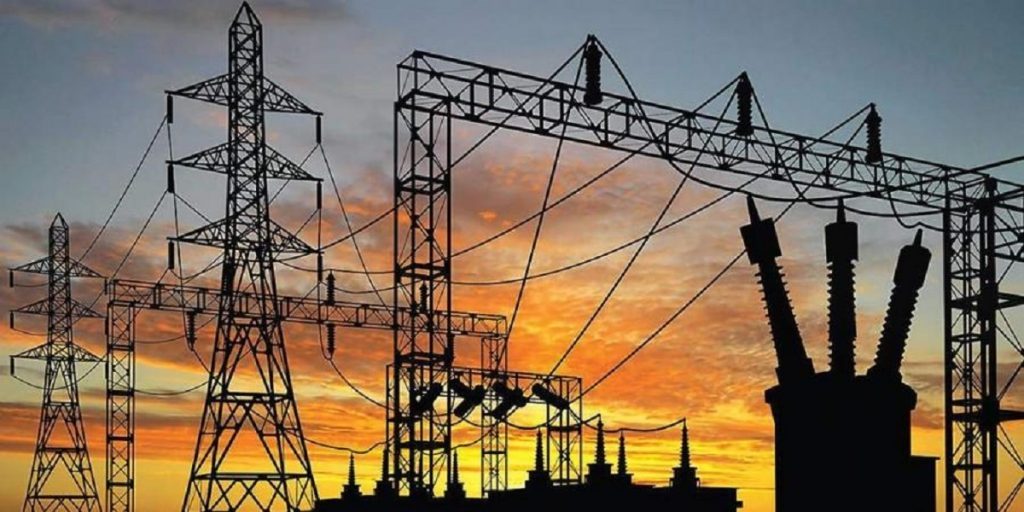
Lagos, Nigeria’s commercial hub, is taking significant steps to alleviate the nation’s persistent power shortages by expanding state-backed electricity generation and distribution, following the acquisition of 400 megawatts of additional supply. The Lagos State Commissioner for Energy and Mineral Resources, Biodun Ogunleye, detailed these developments during a conference hosted by Business Day newspaper, emphasizing the state’s commitment to reducing reliance on the precarious national grid.
This initiative emerges as Nigeria’s centralized electricity system faces continual challenges, with frequent grid failures and generation capacities falling dramatically short of national demand. Ogunleye remarked on the need to move “beyond a single point of failure,” highlighting the urgent transition needed within the sector.
Advancing the Distributed Power Market
The national electricity grid in Nigeria typically generates around 3,000 megawatts on optimal days, a stark contrast to an estimated demand exceeding 30,000 megawatts, according to government forecasts. The nation’s power grid has experienced multiple collapses this year, leaving millions without electricity. This crisis has compelled businesses and households to increasingly rely on alternatives such as solar mini-grids, as well as diesel and gasoline generators.
The Electricity Act of 2023 empowers individual states to regulate their electricity sectors, paving the way for a more decentralized energy market. Data from the Nigerian Electricity Regulatory Commission (NERC) indicates that at least 22 states are in the process of establishing their electricity markets to reduce reliance on the centralized system managed by Abuja. Notably, Lagos has emerged as a leader in implementing these reforms.
In June 2025, Lagos activated its electricity regulatory regime, transferring oversight responsibilities from the NERC to the newly established Lagos State Electricity Regulatory Commission (LASERC). Officials anticipate that by the end of 2025, Lagos will assume full regulatory control of its electricity market, becoming the first Nigerian state to complete this significant transition. A circular from NERC clarified that while state regulators will oversee local power issues, the federal commission will still manage interstate transactions, grid operations, and industry standards.
According to a recent report by PricewaterhouseCoopers (PwC), Nigeria’s power sector is experiencing one of its most significant transformations in decades. The implementation of the 2023 Electricity Act signals a shift from a centralized model to a multi-tiered, decentralized power market, enabling states to license operators, set rates, and manage electricity markets within their jurisdictions. More than 15 states are currently revitalizing their electricity markets, establishing regulatory bodies, and integrating energy planning into broader economic strategies. However, the pace of progress varies considerably across states.
While Lagos has adopted a structured approach to reform, other states are struggling with regulatory capacity, technical expertise, and financial readiness. This disparity increases the risk of market fragmentation, as differing standards and outcomes emerge. Experts caution that unless there is improved coordination among federal and state roles—particularly concerning tariffs, subsidies, and technical standards—uncertainty may arise, hindering progress in the sector.
Innovating Power Trading
In pursuit of these goals, the City of Lagos has entered into Power Purchase Agreements (PPAs) with Fenchurch Power, Mainland Power, and Byathan Engineering Limited to provide up to 400 megawatts of electricity to public facilities over the next three years. Ogunleye indicated that this agreement signifies a major shift from traditional electricity procurement methods.
Related article: Lagos announces monthly sanitation enhancement plan
He noted that these contracts are not standard PPAs and represent a fundamental transformation in how Lagos procures and finances electricity. The city has eliminated controversial “take-or-pay” and “deemed energy” clauses, which previously mandated payment for electricity not delivered. Under the new arrangement, the state will only pay for electricity that is metered and actually supplied.
Officials assert that this novel approach is designed to enhance accountability, reduce waste, and provide better value for public funds while simultaneously bolstering power supply to critical public institutions.
