


Negotiations Stalled as Gasoline Prices Surge
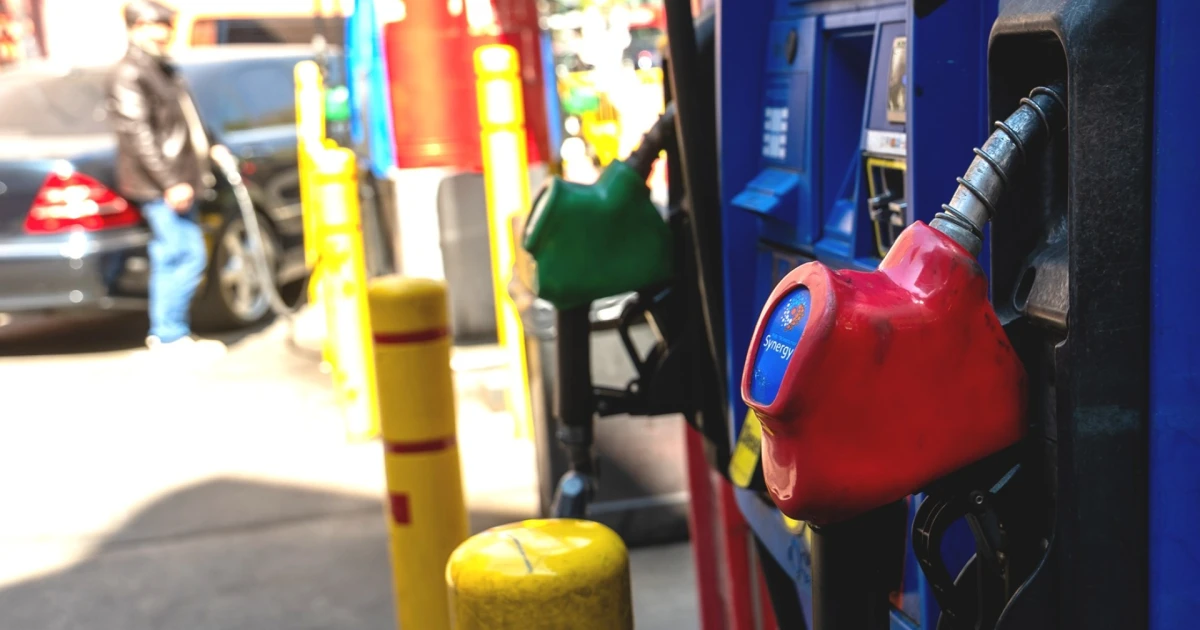
Negotiations aimed at resolving longstanding tensions between the United States and Iran have hit a wall, coinciding with a significant rise in gasoline prices. Currently, the average cost of a gallon of regular gasoline is $4.23, marking the highest level seen in nearly four years. This surge comes just as the busy summer travel season approaches, raising concerns among consumers and experts alike about the timing and potential impact on travel plans.
Impact on Consumer Behavior
As gasoline prices rise, consumer behavior is expected to shift. Many families may reconsider travel plans due to increased fuel costs. Industry analysts suggest that this hesitance could dampen consumer spending in other areas, especially in sectors dependent on travel and leisure. The ongoing uncertainty may lead to a ripple effect impacting local economies that rely heavily on tourism revenue.
Experts Weigh In on Future Trends
Experts warn that if negotiations remain stagnant, the chances of oil prices continuing to climb increase. Factors such as geopolitical tension, seasonal demand, and existing supply chain disruptions all play pivotal roles in the fluctuating prices at the pump. Market analysts are closely monitoring the situation, as they anticipate further volatility in fuel costs.
Consumer Relief Efforts in Sight?
The government is under pressure to find a solution to ease the financial burden on American families. Potential relief measures could range from exploring alternative energy sources to increasing domestic oil production. Policymakers are examining various options to stabilize prices, ensuring that consumers are not left facing exorbitant fuel costs as they plan their summer getaways.
Long-term Implications for the Economy
Higher fuel prices can have long-term implications for the economy at large. Increased transportation costs often lead to higher prices for goods, affecting everything from groceries to daily commodities. If prices continue to rise, inflation pressures could mount, complicating the Federal Reserve’s efforts to maintain economic stability.
The Role of Technology in Energy Efficiency
As consumers seek ways to mitigate high fuel costs, technological advancements in fuel efficiency and electric vehicles could become increasingly appealing. Automakers are investing in technology that promotes energy-efficient transportation alternatives, which may help alleviate some of the pressure from fluctuating gas prices. The shift toward greener solutions is gaining momentum amid rising costs and growing environmental concerns.
Community Reactions and Preparing for the Summer
Community reactions to the rising gasoline prices are varied, with many expressing frustration while emphasizing the need for adaptability. As summer travel looms, families and businesses alike are urged to plan strategically to navigate the economic landscape ahead. Whether opting for local vacations or exploring public transportation options, consumers are exploring alternative ways to make the most of their summer plans amid rising costs.
