


The Hidden Issue of Hemorrhoids
Hemorrhoids are a widespread yet often unspoken concern that affects many adults by the age of 50, causing discomfort and distress. The American College of Gastroenterology recently published new guidelines emphasizing the importance of dietary habits in preventing this condition. With the prevalence of inflamed, itchy veins becoming an uncomfortable reality for many, experts are urging individuals to take proactive steps in their daily routines.
Recommended Fiber Intake to Prevent Hemorrhoids
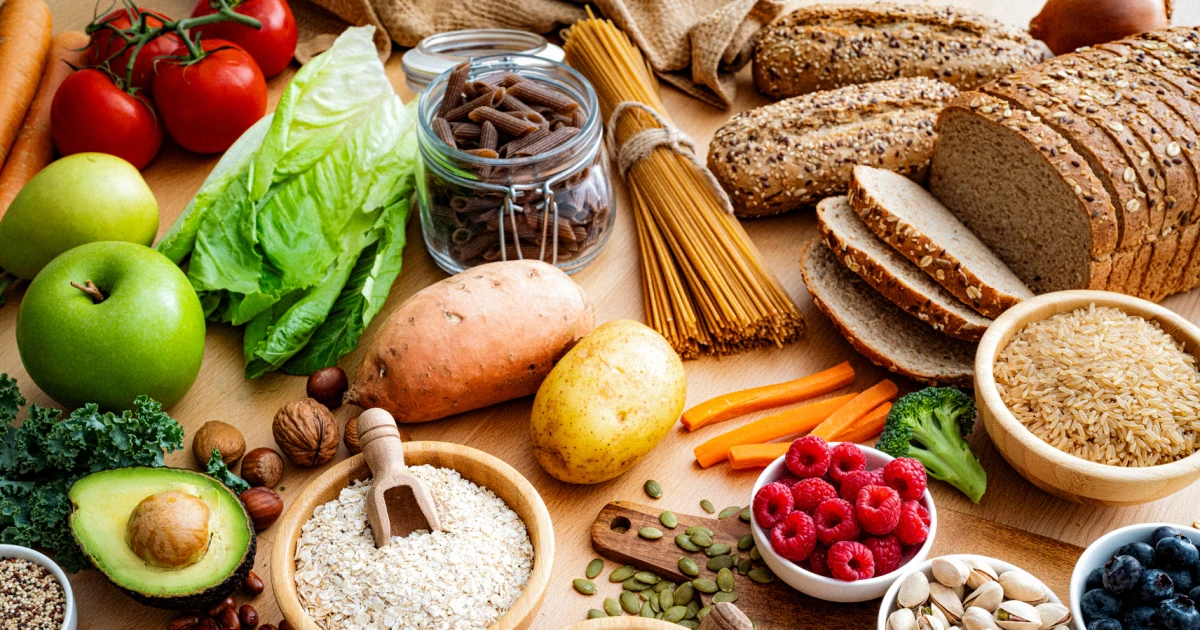
According to Dr. Trisha Pasricha, a gastroenterologist at Beth Israel Deaconess Medical Center in Boston, increasing fiber intake is paramount for preventing hemorrhoids. Men should aim for approximately 38 grams of fiber daily, while women should target at least 25 grams. Unfortunately, recent statistics reveal that only about 5% of men and 9% of women meet these recommendations, highlighting a significant dietary shortfall in fiber consumption.
Protein and Fiber Balance in Diets
The current dietary trend, which often emphasizes protein intake—particularly from red meat—may inadvertently limit fiber-rich foods. Dr. Pasricha notes that while protein is not the problem, reliance on it can reduce fiber consumption. Dr. Waqar Qureshi from Baylor College of Medicine echoes this sentiment, explaining that diets emphasizing animal protein can lead to constipation, ultimately increasing the risk of hemorrhoids due to straining during bowel movements.
The Impact of Sitting and Smartphone Usage on Hemorrhoids
Prolonged sitting, particularly when combined with smartphone use, can exacerbate the risk of hemorrhoids. Dr. Qureshi warns against spending more than five minutes on the toilet, suggesting that activities like reading or scrolling can lead to unnecessary strain on the delicate tissues of the anus. Recent research indicates that adults in their 40s and 50s who frequently bring their smartphones to the bathroom are at a higher risk for developing this condition.
Understanding Hemorrhoid Symptoms
Hemorrhoids can manifest as internal or external swelling, which may become painful and bleed when inflamed. The increased awareness of colorectal cancer symptoms has led to a surprising rise in hemorrhoids among younger individuals, as bleeding and discomfort are often misidentified as mere hemorrhoids. With colorectal cancer being a leading cause of cancer death in those under 50, it’s imperative to seek medical advice upon experiencing these symptoms.
Modern Treatment Options for Hemorrhoids
While surgical intervention remains necessary for some cases, advancements in treatment allow many individuals to find relief at home. Over-the-counter steroid creams can be effective, though they should not be used for extended periods. In cases of persistent hemorrhoids, minimally invasive options such as in-office banding and infrared coagulation are both quick and require no sedation, providing patients with effective alternatives to traditional surgery.
Managing Hemorrhoids and Promoting Comfort
To alleviate pressure and minimize the risk of hemorrhoids, it is advisable to adopt ergonomically favorable positions while seated, such as propping feet up on a chair. A bidet can further enhance comfort by reducing friction during wiping. Although sitz baths can soothe discomfort, evidence supporting their efficacy remains limited. Medical professionals recommend using warm water and keeping sessions short to prevent irritation.
