


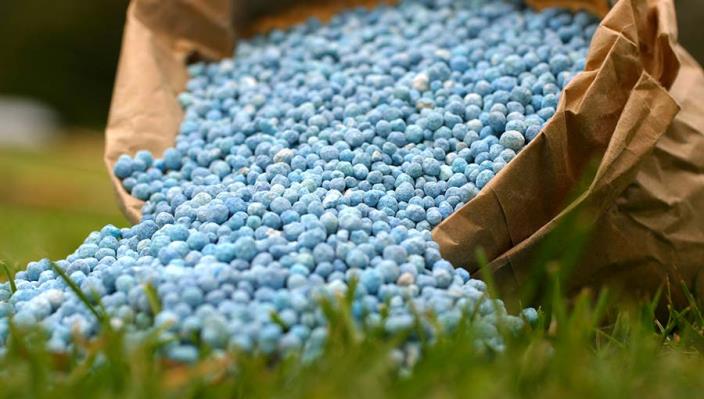
Fertilizer Shortages Urged to be Addressed by Farmers Amid Global Supply Disruptions
Experts are advising farmers to purchase or stockpile fertilizer in bulk as a proactive measure against ongoing global supply shocks.
Middle East Conflict Intensifies Fertilizer Price Surge
The escalating conflict in the Middle East has worsened fertilizer shortages both in Africa and globally, with prices increasing from approximately $500 per tonne to over $700 per tonne.
Food Security Threatened by Disruption in Fertilizer Trade
According to industry analysts, Africa’s food security is at significant risk due to the uncertainties in the Strait of Hormuz, which are interrupting global fertilizer trade flows. This disruption raises the threat of food inflation and could lead to shortages of essential staples like maize, rice, and wheat.
Impact of Fertilizer Availability on Agricultural Production
The Food and Agriculture Organization (FAO) warns that even a modest 10% reduction in fertilizer supply could result in a 25% decline in production of maize, rice, and wheat in sub-Saharan Africa. Such a decrease could lead to food inflation reaching as high as 8% across the continent.
Global Supply Chains and Fertilizer Market Vulnerability
Policy analyst Ayodele Ayowole notes that the ongoing conflict involving the US, Israel, and Iran is significantly impacting global supply chains, particularly affecting the fertilizer market. This has raised concerns regarding access to vital raw materials, such as ammonia, urea, phosphates, and sulfur, crucial for food production in sub-Saharan Africa.
Challenges Faced by Smallholder Farmers
Smallholder farmers, who contribute nearly 70% of sub-Saharan Africa’s food production, are facing acute challenges. Unlike larger commercial farms, which can secure necessary inputs well in advance, small-scale farmers often struggle with limited access to fertilizers and are especially vulnerable to price hikes when supplies become strained.
Urgency for Policy Intervention and Resilience Building
As Iran reinstates a ban on the export of food and agricultural products amidst rising tensions with Israel and the United States, experts highlight the urgency of policy intervention in Africa. Policymakers are being encouraged to stockpile fertilizer and offer it to farmers at subsidized rates. Immediate actions are needed to mitigate the effects of the Iranian conflict while simultaneously working to strengthen the resilience of fertilizer supply chains and food systems across the continent.
Strategic Collaboration for Better Market Management
To strengthen agricultural sustainability, experts urge African governments to collaborate on regional procurement and establish buffer stocks. By pooling fertilizer demand, nations can negotiate better prices and reduce risks associated with export bans. Partnerships with major fertilizer-producing countries like Morocco and Nigeria could also stabilize markets and prevent panic buying during shortages.
