


Gas Prices Surge to Record High as Conflict Worsens
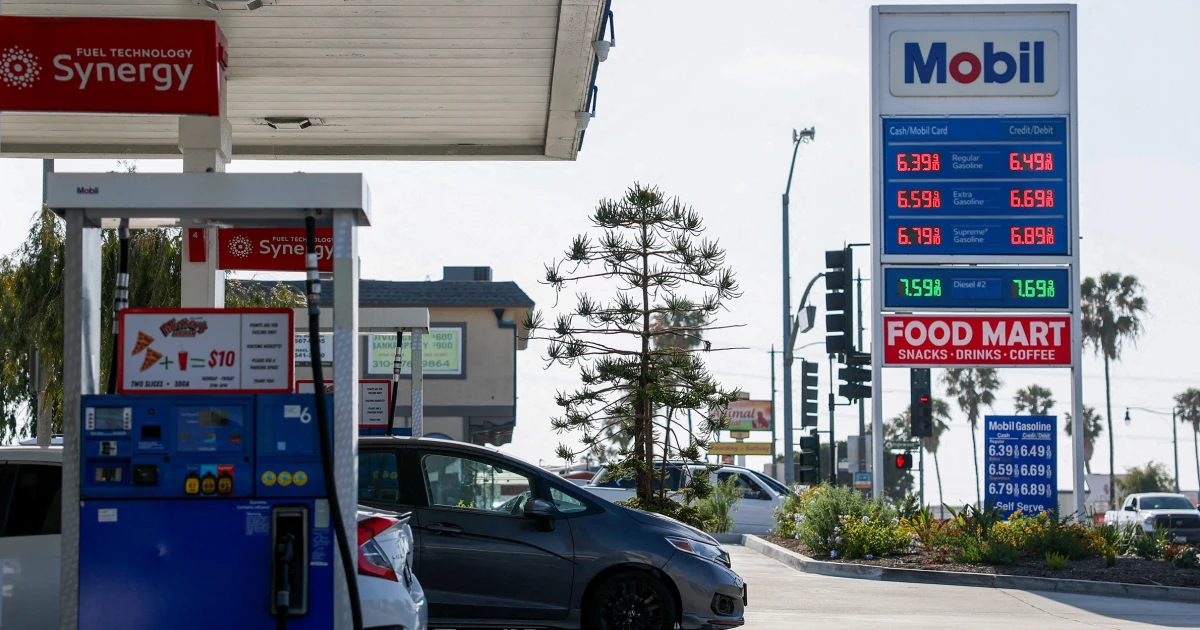
The national average gasoline price has surged to a wartime high of $4.39 per gallon, marking the largest single-day increase since the cease-fire with Iran was announced on April 7. This spike is also the most significant price rise seen since early March, reflecting growing concerns about supply disruptions amid ongoing geopolitical tensions.
Rapid Price Increases Amid Rising Crude Oil Costs
On Thursday, gasoline prices climbed by 7 cents to reach $4.30 per gallon, with an additional 9-cent increase overnight. Since the onset of conflict, average gasoline prices have escalated by more than 47%. This trend mirrors the steep rise in crude oil prices, which have surged over 80% annually. As of early trading on Friday, U.S. crude oil was priced around $103 per barrel, while international benchmark Brent crude hovered near $110 per barrel.
Political Developments Intensify Market Anxiety
Market anxiety intensified this week following statements from President Donald Trump, who expressed a desire to maintain the U.S. Navy’s blockade of Iranian ports, a measure in place since April 13. Trump’s insistence on preventing Iran from acquiring nuclear capabilities has fueled worries about prolonged conflict.
Questions Loom Over Conflict Resolution
President Trump raised doubts about the timeline for resolving the war, noting that Iran’s oil revenue is dwindling. He stated, “There’s going to be less gas,” and indicated that prices might drop significantly once the conflict concludes. However, many experts believe that oil prices will remain high even after hostilities cease, given Iran’s ability to disrupt shipping through the vital Strait of Hormuz.
Congressional Action Reflects Divided Opinions on Engagement
Amid ongoing hostilities, members of Congress are pushing for a vote on the War Powers Resolution—legislation that requires presidential approval for troop deployment beyond 60 days. However, in its 50-year history, Congress has seldom invoked this law to mandate troop withdrawal. A senior administration official claimed that “hostilities that began on Saturday, February 28th have ended,” indicating a possible disconnect between political rhetoric and the reality of the ongoing conflict.
Public Frustration Amplifies Amid High Gas Prices
As gas prices reach unprecedented levels, public outcry has surged on social media platforms. Residents in states like Indiana have expressed their anger, with some areas witnessing price hikes of nearly $2 a gallon since the war began. Discussions on various forums, including Reddit, reveal mounting frustration among consumers as they grapple with escalating living costs.
Analysts Warn of Potential Further Price Increases
Citi’s commodity analysts warned on Friday that international Brent prices could rise to $150 per barrel if the Strait of Hormuz remains blocked until the end of June. They indicated that even if exports were completely halted, Iran could sustain its economy for months through alternative fiscal measures. As the blockade’s immediate effects may take weeks to materialize, the path to a resolution remains clouded with uncertainty.
Energy Executives Highlight Supply Chain Pressures
Leaders from major oil companies have underscored the pressure on energy supplies. Chevron’s CEO, Mike Wirth, indicated that without a recovery in supply, demand across several economic sectors would inevitably decline. Similarly, ExxonMobil’s CEO, Darren Woods, stated that the war has significantly affected Exxon’s production, with potential delays in restoring normal flow expected if shipping routes reopen. Analysts anticipate an increase in uncertainty over the weekend, marking Friday as a pivotal day for potential U.S.-Iran agreement discussions.
