


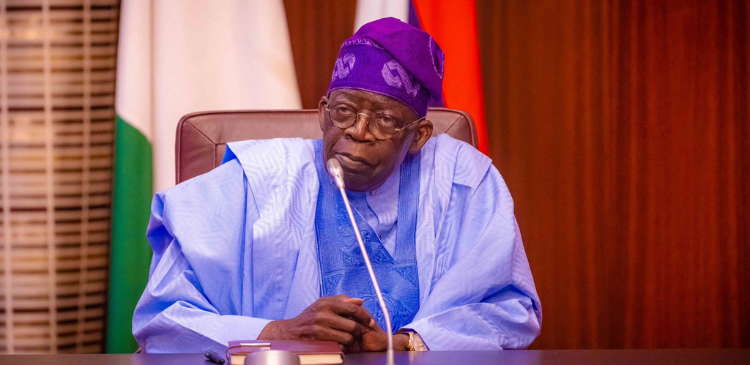
Tinubu Declares Insecurity and Poverty a National Emergency
President Bola Tinubu has identified insecurity and poverty as pressing national emergencies, asserting that they pose significant threats to employment, productivity, and overall national stability. This declaration came during his address to Nigerian workers and labor leaders in Abuja, coinciding with the 2026 Labor Day celebrations.
Addressing Workers’ Concerns
The President emphasized that a safe work environment is essential for productive employment, stating that no one can have decent work while living in fear or struggling to support their families. His comments resonated with the International Labor Organization’s Decent Work Agenda for this year’s May Day theme.
Government Initiatives to Mitigate Challenges
Speaking on behalf of the Secretary to the Government of the Federation (SGF), George Akume, President Tinubu acknowledged the challenges posed by insecurity and poverty but assured the public that his administration is taking urgent action. He mentioned the recent launch of the Community Protection Guard Initiative, designed to recruit 45,000 Nigerian youths for local security while also generating employment opportunities.
Measures Under the New Hope Agenda
In addition to security initiatives, the President highlighted several economic and social interventions encapsulated in the New Hope Agenda. These measures include extending cash transfers to 15 million vulnerable households and lifting approximately 7.5 million Nigerians out of poverty. He noted that infrastructure projects like the Lagos-Calabar Coastal Highway and the Ajaokuta-Kaduna-Kano Gas Pipeline have already generated over 600,000 jobs.
Enhancing Workers’ Rights
Focusing on worker welfare, President Tinubu announced the introduction of a new national minimum wage, the clearing of pension arrears, and the reintroduction of gratuity payments starting in January 2026. He also highlighted that more than 800,000 informal sector workers are now participating in the micro-pension scheme, while small and medium enterprises continue to benefit from the N200 billion MSME Support Fund.
Continued Dialogues with Trade Unions
During his address, President Tinubu called for ongoing dialogues and patience from trade unions, including the Nigeria Labor Congress and the Nigeria Congress of Trade Unions. He cautioned against strikes being used as a primary means of advocating for change, advocating cooperation for sustainable reform.
A Commitment to Sustainable Development
The President reiterated his administration’s dedication to tackling insecurity and reducing poverty, promising a future where decent work is accessible to all, rather than a privilege for a select few. He outlined the federal government’s multi-faceted approach to poverty alleviation, targeting job creation, economic diversification, and social protection.
Strategies for Inclusive Growth
President Tinubu outlined targeted interventions aimed at fostering inclusive growth in agriculture, small and medium enterprises, and infrastructure development. He highlighted specific initiatives for 2024-2026, such as the National Agricultural Growth Plan Agricultural Pocket (NAGS-AP) and the deployment of 10,000 agro rangers across 19 states. These measures aim to protect farmers and crops from banditry, ensuring that agricultural productivity is safeguarded.
Prioritizing Worker Welfare
Addressing the workforce directly, President Tinubu assured them that their welfare is a top priority for his administration. He reaffirmed a commitment to improving working conditions, promoting fair wages, and ensuring that all Nigerian workers have access to safety, dignity, and equitable opportunities within the workplace. This includes the reinstatement of tips for workers starting in January 2026.
