


Connecticut House Approves Immigration Enforcement Legislation
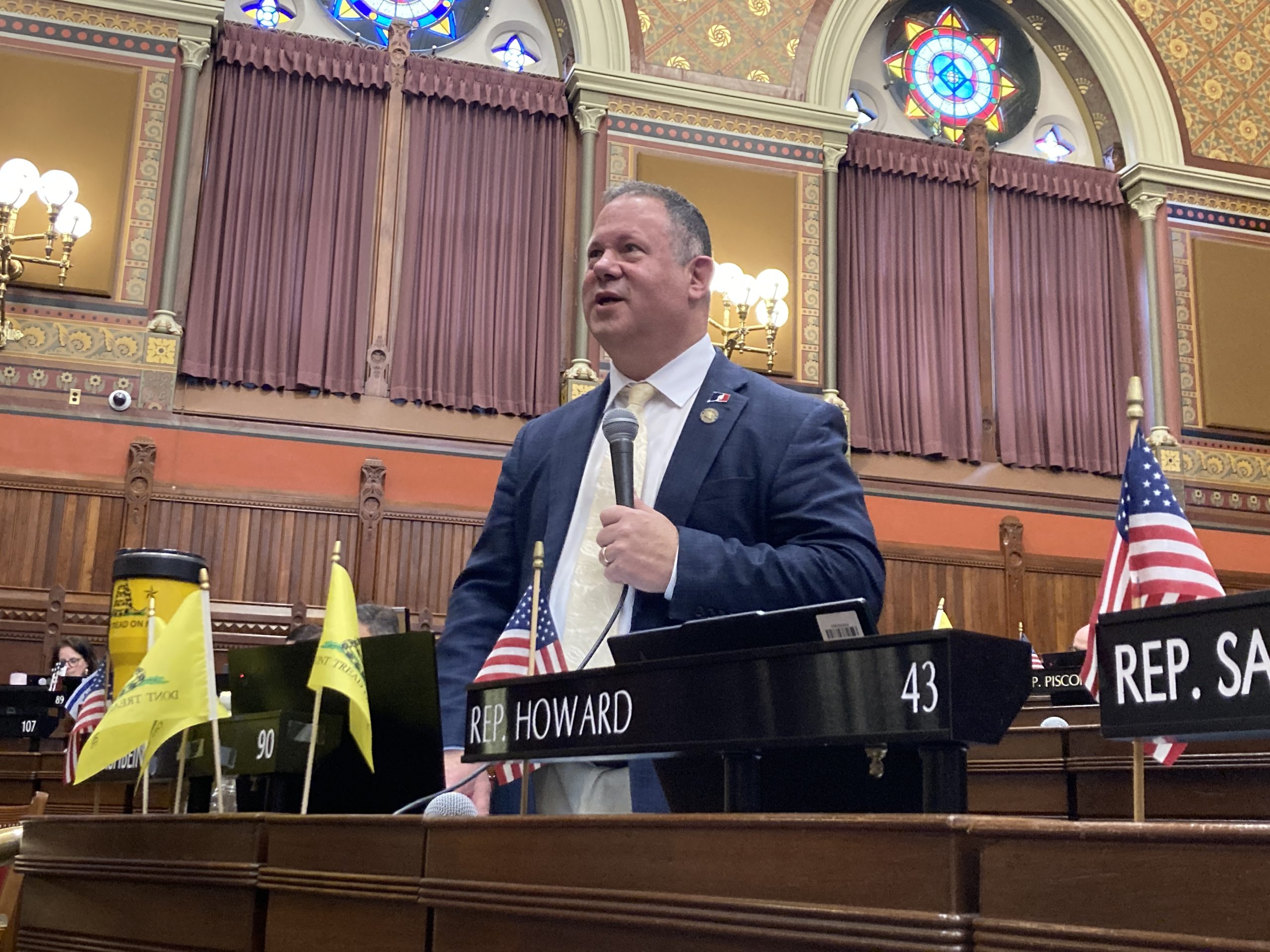
After two days of extensive debate and numerous attempts at amendments by Republican representatives, the Connecticut House of Representatives passed a significant bill on Friday aimed at creating limitations on federal immigration enforcement actions. The legislation allows individuals to file lawsuits against federal agents for constitutional violations, and passed with a vote of 91-53, largely along party lines. All House Republicans, along with four Democrats, opposed the measure. It has been sent to the governor for approval.
Governor’s Support for the Proposed Legislation
In a statement made on the same day, Governor Ned Lamont expressed his eagerness to sign the bill into law. He emphasized that Connecticut residents should not fear for their safety when visiting essential public spaces, such as hospitals and schools. Lamont asserted that the bill includes sensible measures to safeguard individuals’ constitutional rights against federal encroachment.
Contentious Discussions Surrounding Law Enforcement Cooperation
The bill had previously passed the Senate on a party-line vote and then entered the House, where significant disagreement emerged regarding the extent of cooperation local and state law enforcement should maintain with federal immigration officials. Supporters of the bill argue that it protects residents from federal overreach, while opponents contend it undermines effective law enforcement.
Impacts of the Legislation on Law Enforcement Practices
Among the key provisions, the bill designates “protected areas,” which include hospitals and educational institutions, where individuals cannot be detained solely for civil infractions like immigration violations. Additionally, law enforcement officers are prohibited from concealing their identities while on duty. The measure also disallows the hiring of former federal officers with misconduct histories and mandates 480 training hours for law enforcement recruits.
Legal Accountability for Federal Agents
Crucially, the bill grants residents the right to sue federal law enforcement officers for breaches of constitutional rights. This provision is a direct response to incidents like the shooting of Alex Preti by a U.S. Customs and Border Protection agent. Representative Steven Stafstrom highlighted the inconsistency in current laws, noting that while there are avenues for lawsuits against state actors under Section 1983 of the Federal Civil Rights Act, no such federal recourse exists for victims of federal employees infringing on civil liberties.
Opposing Views on Law Enforcement’s Role
House Minority Leader Vincent Candelora expressed concern that the legislation sends a message to law enforcement suggesting they may face prosecution for performing their duties. He emphasized that the bill could create a precarious legal landscape for officers, as federal law already governs such interactions. Candelora and other Republicans argued that the Constitution’s Supremacy Clause limits states’ power to impose restrictions on federal immigration enforcement.
Concerns About the Legislative Direction
Republican lawmakers argued that the bill would complicate the work of local and federal law enforcement, discouraging interactions that are crucial for community safety. They also voiced worries regarding provisions that would strip police officers of qualified immunity in cases of interference with recordings. Although debates ensued over amendments aiming to adjust specific clauses, many proposals failed to gain traction. Republican representatives maintained that safety in both local communities and immigration enforcement should not be mutually exclusive.
Regulations on Data Use from Surveillance Technologies
Moreover, the bill introduces new regulations surrounding the use of data collected from automatic license plate readers. In light of previous investigative reports revealing that some departments had cooperated with out-of-state immigration enforcement, the legislation imposes a retention limit of 21 days for such data and sets strict conditions on its use, ensuring it cannot be applied to immigration enforcement or activities protected under the First Amendment.
