


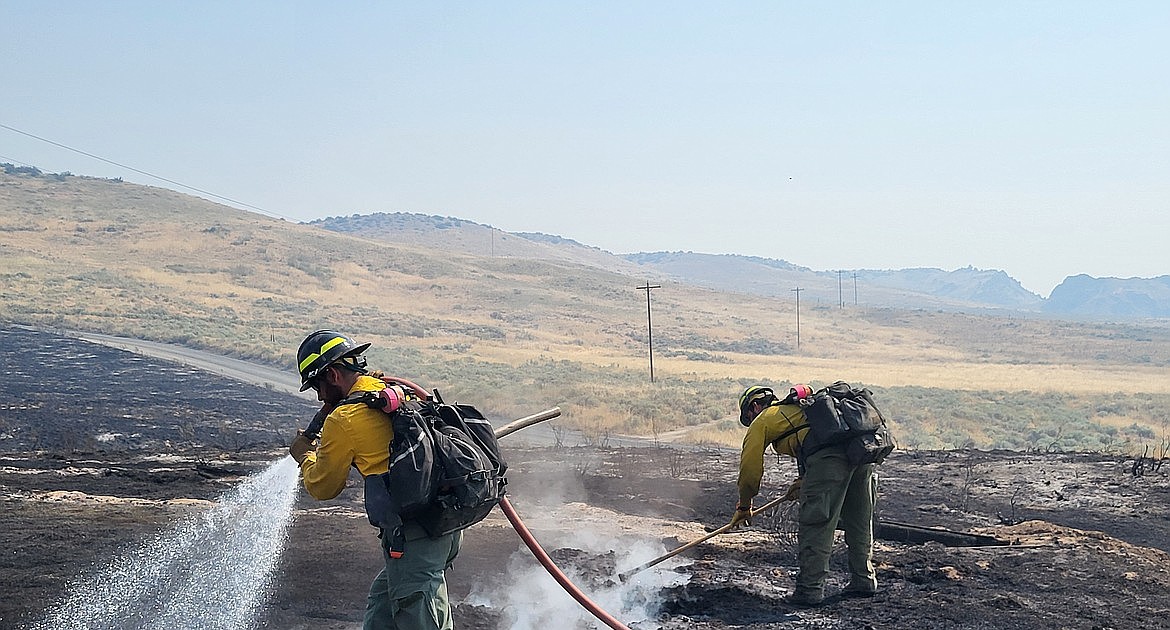
New USDA Requirements Impact Wildfire Funding and State Compliance
A recent initiative aimed at compelling states to align with Trump administration policies on diversity, equity, and inclusion (DEI), transgender athlete participation, and immigration in contracts with the U.S. Forest Service is jeopardizing millions in wildfire grant funding and vital fire mitigation projects across federal lands. Experts in forestry are raising concerns that these new directives cannot be readily adopted in certain liberal states due to conflicts with state laws.
Preliminary reports indicate that at least one state has begun to experience delays in efforts to curb wildfire risks and promote projects on national forest land. Other states have noted that the guidelines are so ambiguous that compliance poses a challenge. Additionally, leaders within the timber industry argue that these policies could significantly impact profitability.
Implications for Wildfire Mitigation Efforts
“We’re kind of at a dead end,” remarked Washington State Forester George Geisler, emphasizing that progress in wildfire mitigation is already beginning to slow. The updated requirements come at a critical time as many Western states brace for a challenging wildfire season, following an unusually warm winter with minimal snowfall.
On December 31, Agriculture Secretary Brooke Rollins announced new regulations governing USDA partnerships, introducing extensive conditions requiring partner organizations to adhere to executive orders issued by President Trump. While these updates pertain to all USDA agencies, it remains unclear whether similar enforcement will extend to food assistance initiatives.
Legal Action by State Coalitions
The USDA characterized these changes as a regulatory streamlining effort aimed at enhancing national security and circumventing what it describes as radical leftist ideology. Despite these claims, both the Department of Agriculture and the Forest Service declined to comment on the matter when approached for an interview.
The Forest Service’s new policy affects various grants and contracts specifically designed to mitigate wildfire risks, restore forest health, and elevate timber production levels. However, forestry experts assert that this situation has led to a stalemate, particularly with Democratic-led states. Robert Bonney, a former undersecretary of agriculture for natural resources during the Obama administration, described the developments as devastating, suggesting they directly target Democratic states and partners.
Funding Delays and Operational Impacts
A coalition comprising 20 states and the District of Columbia has already filed a lawsuit contesting the legality of these new restrictions, particularly concerning federal food assistance programs like the Supplemental Nutrition Assistance Program and the Women, Infants, and Children Nutrition Program. Rollins noted in an April court filing that the new stipulations have not yet been applied to food assistance initiatives, maintaining that no final decision has been made regarding the withdrawal of nutrition funding from non-compliant states.
However, these regulations are already hindering programs managed by the Forest Service. Washington state has found itself unable to issue the latest round of Community Wildfire Protection Grants, which are critical for supporting communities in wildfire-prone areas. Geisler noted that approximately 10 communities in Washington were set to receive substantial grants, but the federal funding remains stalled due to the state’s refusal to endorse the new terms.
Challenges Ahead for Forest Management
The ongoing stalemate complicates the U.S. Forest Service’s increasing partnership approach with states to implement work on national forests. The agency has long depended on collaboration frameworks, like the Office of Good Neighbors, which enables state agencies to conduct wildfire mitigation and timber projects on federal lands. Observers are concerned that the recent reorganization within the Forest Service suggests an even greater reliance on state involvement in the coming years.
However, with new compliance conditions in place, these partnerships are now at risk. Geisler indicated Washington cannot finalize a new Good Neighbor Authority agreement due to the outlined restrictions. “We are trying to sign an agreement for additional work, but we can’t get it signed,” he noted, underlining the potential loss to both the state and federal efforts in wildfire mitigation and forest management.
Wider Repercussions in the Timber Industry
Washington has invested millions in projects to bolster wildfire risk reduction and enhance forest health on national forest lands. Bonney highlighted that the imposition of ideological compliance requirements effectively denies critical grant aid, creating an untenable situation that disproportionately affects conservative voters in rural regions who support preventive measures against extreme wildfires.
Meanwhile, nearly two dozen state forestry officials have refrained from public commentary on the issue, citing ongoing litigation, though some have voiced their concerns through declarations addressing the multistate lawsuit challenging the new terms. In light of the significant grants received from the Forest Service—totaling over $87 million for a range of critical programs—state officials underscore the necessity of these funds for wildfire preparedness and response in rural communities. Failure to secure this funding would critically impair the essential functions of state agencies.
Uncertain Future for State-Federal Collaboration
Amidst rising tensions between federal and state agencies, many forestry officials are expressing their frustration over the lack of clarity surrounding the new contract terms. The confusion has prompted issues with timely approvals for state forestry initiatives, with some timber sales already placed on hold. Stakeholders are calling for the Forest Service to postpone the implementation of these new conditions until clearer guidance can be offered, as such delays could jeopardize ongoing projects and future collaborations.
