


Closure of San Francisco Immigration Court Intensifies Asylum Case Backlog
The Trump administration has officially closed the Bay Area’s largest immigration court, which is likely to exacerbate the backlog of asylum cases nationwide. This decision was announced on Friday and marks a significant shift in the immigration judicial landscape in the region.
Impact on Pending Cases and Court Operations
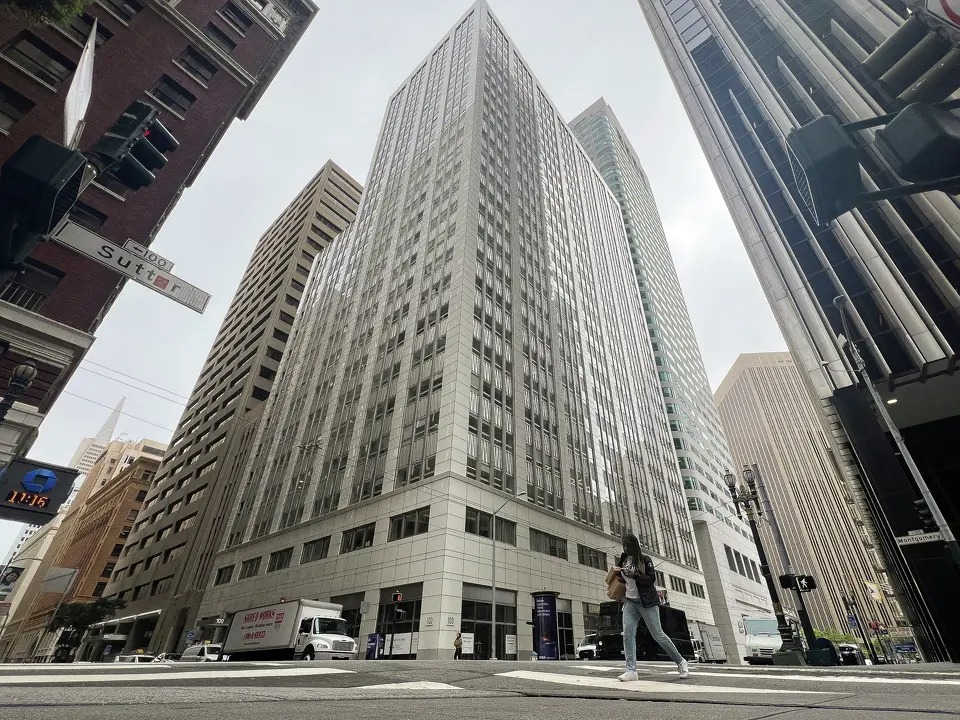
The San Francisco Immigration Courthouse, located at 100 Montgomery Street, previously had over 120,000 pending cases. This building has been a focal point for numerous Immigration and Customs Enforcement (ICE) arrests and public protests against the agency, including a controversial event where a protester was seen being pulled by an ICE vehicle.
Shifting Cases to an Understaffed Courthouse
Following the closure, most of the cases from the now-defunct San Francisco court will be transferred to a courthouse in Concord. This facility was established two years ago to alleviate the backlog in San Francisco courts serving Northern California. However, the Concord courthouse is already experiencing its own challenges, with only five judges available and a backlog of 60,000 cases as of December. Initially, the Justice Department promised to hire 21 additional staff when Concord opened, but those hires have yet to materialize.
Continuity at Smaller Facilities Amidst Challenges
Meanwhile, a smaller court located at 630 Sansom Street in San Francisco, staffed by two judges, will continue operations. This court primarily handles cases involving individuals already in ICE custody. However, the closure of the 100 Montgomery courthouse is expected to lead to further delays in the processing of asylum claims and other immigration benefits for those ensnared in deportation proceedings.
Criticism Surrounding Closure Decisions
The Justice Department cited cost-effectiveness as the rationale behind this closure, as the court rented space in a Financial District skyscraper. However, former immigration judges have voiced strong criticism, suggesting that these measures are part of a broader agenda that undermines due process for immigrants. Since last year, San Francisco courts have faced significant staffing shortages, with the firing of numerous judges contributing to a deteriorating situation. By Thanksgiving, over half of the court’s 21 judges had been dismissed, part of a nationwide trend in immigration judge terminations.
Allegations of Retaliation and Disruption
Critics argue that the closure of the San Francisco courthouse specifically targets a judicial environment that has supported asylum seekers. Sheila Levine, a former immigration judge, claimed that the actions represent an attempt to undermine the rule of law regarding asylum. Other former judges have echoed these sentiments, asserting that the court had one of the highest grant rates for asylum in the country, making it a target for the Trump administration. The ongoing firings have resulted in a sharp increase in deportation orders, indicating a troubling trend for individuals seeking refuge.
Legal Representation Challenges Amidst the Backlog
The reverberations of these judicial closures are felt not only by asylum seekers but by legal professionals as well. Miri Atkinson, who previously coordinated a program providing pro bono legal assistance, emphasized that the court closures could significantly prolong the waiting periods for many asylum applicants. With fewer judges to hear cases, legal representatives face increased hurdles in managing their clients’ needs, often leading to cancellations and delays that can leave applicants vulnerable to detention and deportation.
Concerns Over Accelerated Deportations and System Disruption
Organizations such as the California Immigration Justice Collaborative highlight the potential for rapid deportations resulting from the consolidation of cases in Concord. Co-executive director Lisa Knox stated that the move is designed to create confusion within the system, which could ultimately expedite deportations. As the immigration judicial landscape shifts, the increased strain on resources raises significant concerns about the ability to uphold fair and effective legal processes for those seeking asylum.
