


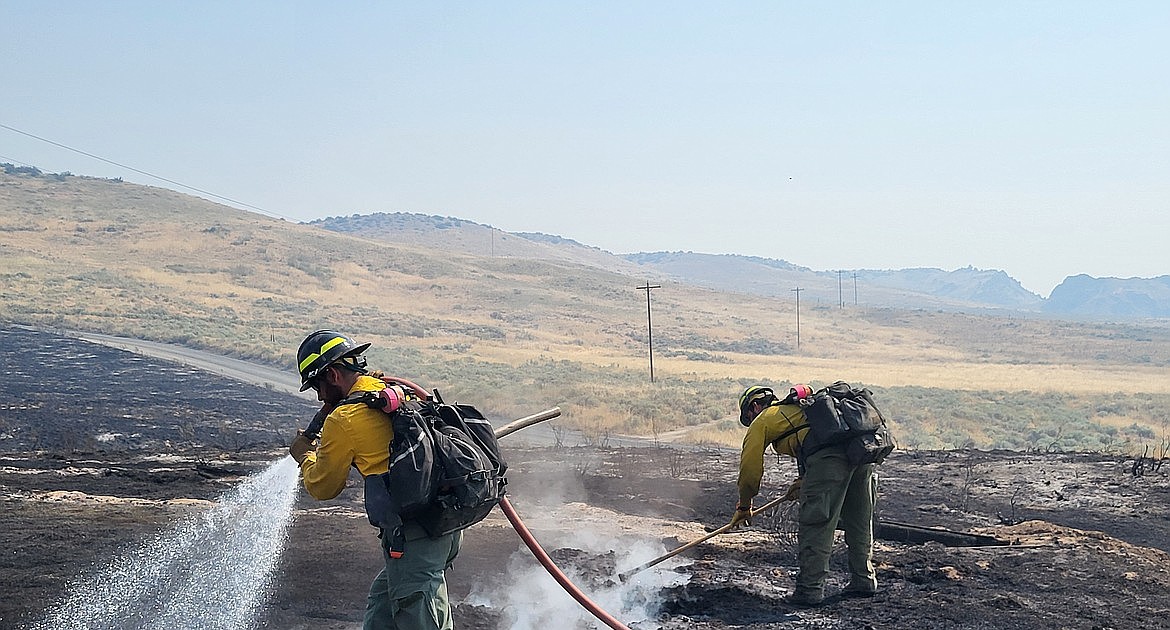
New Federal Requirements Impact Wildfire Funding and State Collaborations
A push to compel states to align with the Trump administration’s stances on diversity, equity, and inclusion (DEI), transgender athletes, and immigration when entering contracts with the U.S. Forest Service is jeopardizing millions of dollars in wildfire grant funding and fire mitigation initiatives on federal lands. Experts warn that these requirements may create challenges in states where existing laws conflict with federal policies.
Impact on Wildfire Mitigation Efforts
At least one state has reported that the new federal regulations are hindering efforts to mitigate wildfire risks and support critical projects on national forest land. Several state officials indicate that the broad and ambiguous nature of the requirements has left them uncertain about how to comply, raising concerns among leaders in the timber industry who fear potential profit losses.
Forest Service Grant Delays
As Washington State Forester George Geisler noted, the situation has reached an impasse, with work on important fire mitigation plans beginning to stall. The updated federal guidelines come at a time when many Western states, fresh from a winter characterized by unseasonably high temperatures and diminished snowfall, are bracing for a severe wildfire season.
New USDA Code Raises Concerns
On December 31, Agriculture Secretary Brooke Rollins announced a new general code governing USDA partnerships, introducing a set of conditions that require partner organizations to adhere to President Trump’s executive orders. While this code affects all USDA agencies, it remains unclear how strictly these stipulations will be enforced across various programs, such as food assistance.
Coalition Lawsuits Against Federal Restrictions
A coalition of 20 states and the District of Columbia has initiated legal action against these new restrictions, deeming them unlawful. Their lawsuit chiefly addresses federal food assistance programs, including the Supplemental Nutrition Assistance Program and the Women, Infants, and Children’s Nutrition Program. Rollins stated in a court filing that the new conditions have not yet been enforced for these programs, leaving the door open for further negotiations.
Grants for Wildfire Protection Stalled
At the forefront of the challenges is the inability of Washington State to issue the latest round of Community Wildfire Protection Grants. These federal funds, designed to assist communities in reducing fuels and fortifying homes in wildfire-prone areas, have been frozen due to the state’s refusal to accept the new terms.
Threats to Federal-State Partnerships
The evolving situation jeopardizes the U.S. Forest Service’s increasing dependence on state agencies to execute projects on national forest lands. Given the new restrictions, Washington State cannot sign a new Good Neighbor Authority agreement, crucial for collaborative wildfire mitigation efforts. Geisler emphasized that without new agreements, vital work on federal lands would suffer substantial delays.
Voices from the Timber Industry and State Officials
While many state forestry officials have been reticent to comment publicly due to ongoing litigation, the timber sector is feeling the effects of uncertainty. Nick Smith of the U.S. Forest Resources Council highlighted how the new conditions could significantly cut into the revenue of state forestry departments and disrupt timber sales. Further support for the multistate lawsuit has emerged from various state officials, underscoring the confusion surrounding the vague new requirements.
Challenges in Compliance and Bureaucracy
The ramifications extend beyond funding and partnerships. Many state officials have expressed frustration over the ambiguous language in the new conditions, particularly regarding the promotion of “gender ideology” and restrictions against undocumented residents accessing taxpayer-funded benefits. This ambiguity has created hurdles for Maryland and other states in fulfilling grant requirements aimed at improving forest health, among other projects.
Federal Review Process Under Scrutiny
State officials warn that the new terms, which necessitate prior federal approval for subawards and contracts, introduce cumbersome bureaucratic delays. Jason Hartman, president of the National Association of State Foresters, pointed out that these requirements are in direct conflict with the Forest Service’s goals of collaboration and efficiency. Furthermore, the necessity for environmental reviews before entering into partnership agreements could further obstruct what should ideally be seamless cooperative endeavors between state and federal entities.
