


Benue State Embraces Reconciliation Amidst Political Turmoil
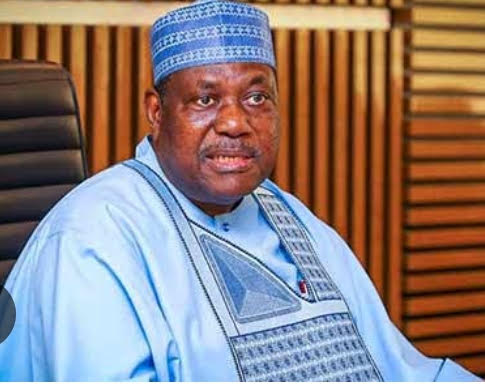
After facing persistent insecurity and political divisions, Benue State is charting a new course toward harmony and development. Driving this transformation is a crucial reconciliation initiative spearheaded by Senator George Akume, the head of the federal government. His efforts have successfully united rival political factions, marking a pivotal shift toward recognizing that lasting progress in Benue hinges on peace, unity, and collective purpose.
Benue State is recognized for its fertile lands and diligent populace, yet it has long been burdened by ongoing security challenges and pronounced political discord. Communities have been caught in a cycle of violence and uncertainty, hindering development and straining social relations.
In such an environment, the potential for prosperity seems elusive. While infrastructural development, investment attraction, and policy formulation are essential, genuine progress cannot take root in the absence of peace. Now, however, a new narrative is emerging—one focused on reconciliation rather than conflict.
The Search for Stability
The repercussions of instability resonate throughout the state, impacting urban centers like Makurdi as well as the rural areas that contribute significantly to Benue’s economy. Farmers, who should be cultivating crops, often find themselves forced to abandon their fields due to violence.
Families have had to rebuild their lives after conflicts have disrupted their communities, and political divisions have often mirrored the tensions within society, exacerbating the situation. A rift within the All Progressives Congress (APC) further intensified the uncertainty. What began as disagreements following the 2023 general elections escalated into a sectarian conflict, fracturing loyalties and undermining unity within the ruling party.
In March 2026, the emergence of rival party leaderships within a parallel assembly deepened these divisions, raising significant concerns about the future stability of the APC in Benue. Observers noted that this trajectory posed a dual threat: not only to political harmony but also to the broader goal of restoring peace and economic confidence in the region.
Strategic Interventions for Change
Amid this turmoil, Senator George Akume, the Secretary to the Federal Government and leader of the North Center Party, stepped in to mediate. His intervention was viewed as both strategic and statesmanlike. By convening a broadly representative stakeholder meeting, he aimed to resolve the protracted crisis—recognizing that a unified leadership can significantly influence stability on the ground.
A high-level meeting held recently successfully gathered all opposing factions and culminated in reconciliation between Governor Arya and his political adversaries. This development signals a potential cessation of the intra-party strife within the APC in Benue, at least for the time being.
Those familiar with the process note that Akume adopted a careful and inclusive approach. Instead of imposing solutions, he cultivated a platform for open dialogue, enabling stakeholders to voice their grievances while guiding them toward shared objectives. His credibility as a long-established figure in Benue politics has played a critical role in fostering trust among the divided groups.
Economic Implications of a Peaceful Environment
While the political ramifications of this reconciliation are notable, its broader significance extends into the realm of economic necessity. Benue’s rich agricultural potential has often been highlighted as a significant growth driver, yet insecurity has constrained its realization. Investors tend to be hesitant in environments fraught with uncertainty, and communities struggle to thrive in a context of fragmentation.
Akume’s intervention is poised to restore cohesion within the ruling party and cultivate a more stable governance climate. With internal distractions minimized, leadership can turn its focus toward policies that enhance development, such as improving rural infrastructure and bolstering support for farmers.
As part of the reconciliation framework, Akume has proposed implementing automatic tickets for elected officials, including the governor and members of the National Assembly and state legislatures. This initiative is viewed as both a peace incentive and a strategic move to mitigate intraparty competition, thereby stabilizing the party organization and allowing leaders to prioritize effective governance.
The Human Impact of Political Unity
For residents, political resolutions are often assessed not by formal announcements but by their tangible effects on daily life. The hope among communities that have endured insecurity and political neglect is that this new unity will translate into safer environments, enhanced access to farmland, and a government capable of decisive action without internal strife.
Moreover, peace carries a psychological dimension. When leaders set aside their differences in pursuit of common goals, it sends a powerful message throughout society—that cooperation is achievable even after prolonged discord, and that shared interests can surpass individual ambitions.
Analysts observe that Akume’s patient and empathetic demeanor has been instrumental in easing tensions. His approach stands out in a climate often defined by conflict, showcasing effective leadership in challenging times.
Looking Ahead with Cautious Optimism
As the peace agreement unfolds, attention shifts to its sustainability. Political accords can be precarious, especially in a context where mistrust has been entrenched. Maintaining unity will demand ongoing dialogue, mutual respect, and a shared commitment among all parties to prioritize collective interests.
Yet, there is a palpable sense of cautious optimism among stakeholders, who view this settlement as a pivotal moment. It presents an opportunity not merely to recalibrate the Benue APC but to redefine the overall trajectory of the state. Sustained peace could establish the foundation for long-term stability and growth.
For Senator George Akume, this initiative reinforces his role not just as a federal appointee but as a stabilizing figure and elder statesman for the Middle Belt, adept at bridging divides and steering complex negotiations toward fruitful resolutions.
For the people of Benue, the implications are momentous. After years of uncertainty, they have a chance to rebuild on a foundation of unity. Although challenges remain, the path to prosperity starts with peace—a peace that, when nurtured and safeguarded, holds the potential to transform not just the political landscape but also the lives of everyday citizens.
