


Call for Investment in Optical Networks Across Africa
Industry leaders, policymakers, and technology experts are advocating for accelerated investment in all-optical networks throughout Africa, emphasizing the importance of robust fiber infrastructure as a vital foundation for the continent’s AI-driven future and next-generation digital economy.
Insights from the All-Optical Summit 2026
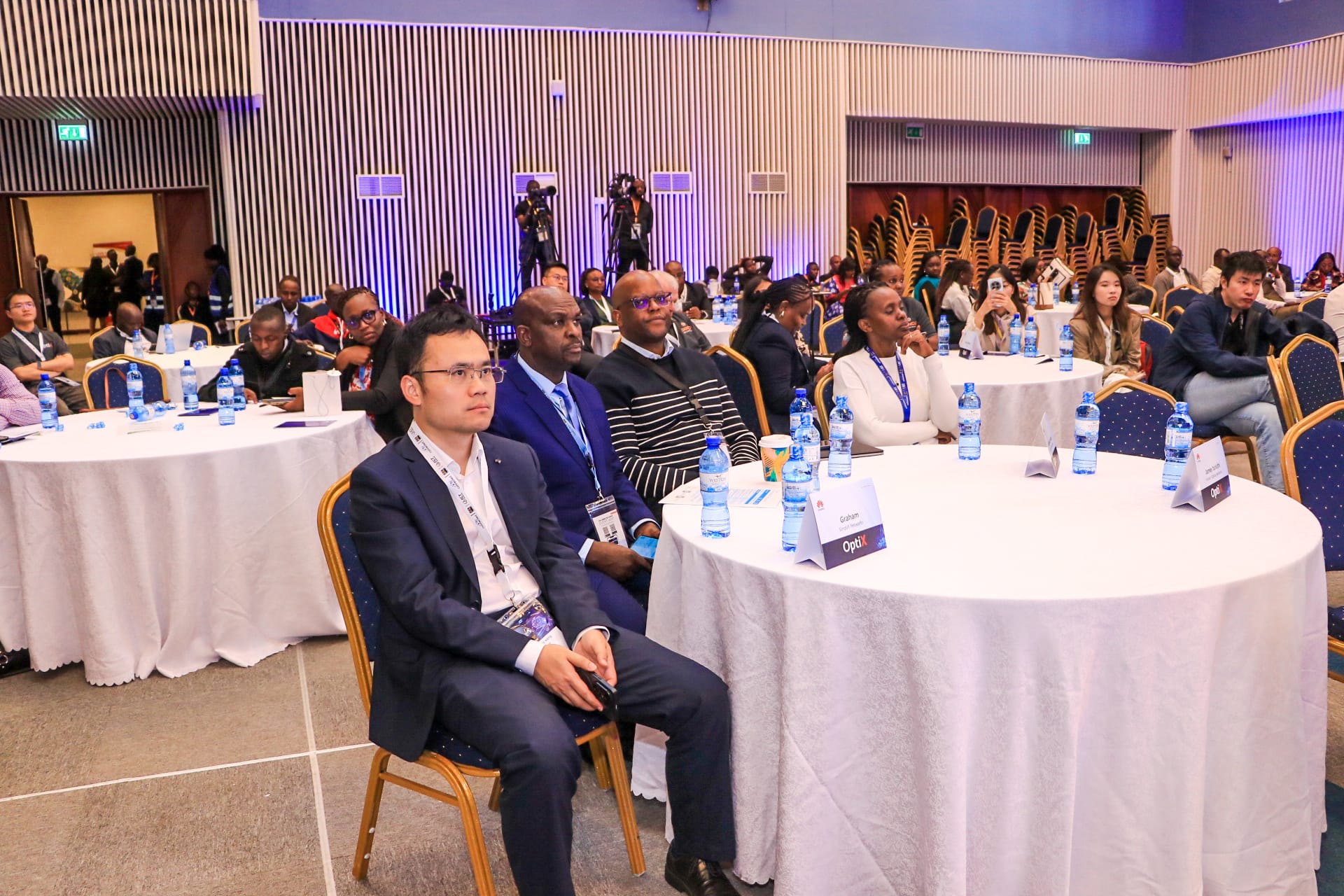
The All-Optical Summit 2026, organized as part of the Connected Africa Summit, focused on the theme “Future-proof fiber connectivity in the age of AI.” Participants underscored that the success of AI, 5G, cloud computing, and future 6G technologies hinges on achieving high capacity, low latency, and ultra-resilient connectivity. All-optical networks, which allow for end-to-end fiber transmission and facilitate data travel akin to light with minimal electronic intervention, have been recognized as the most effective and scalable solution to meet escalating digital demands.
Fiber Optic Infrastructure as the Backbone of AI
During the initial session, the Secretary-General of the African Telecommunications Union remarked that fiber optic infrastructure forms the bedrock of the AI economy. He emphasized that “AI is only as powerful as the infrastructure that supports it.” The Secretary-General noted that the advanced algorithms and extensive datasets integral to AI require connectivity that is both high-capacity and ultra-resilient, asserting that fiber optic infrastructure is no longer a luxury but a necessity for the modern digital economy.
The Role of Industry Collaboration
Fiona Asonga, CEO of the Kenya Technology Service Providers Association, stressed the importance of collaboration within the industry to expand access. She stated that achieving connectivity in underserved areas necessitates enhanced cooperation among service providers and the implementation of robust industry standards, which will ensure high-quality fiber deployments while simultaneously lowering costs.
Global Demands for Enhanced Network Capacity
A global perspective highlighted the urgency of expanding network capacity in light of AI-driven demands. Marcus Brunner, chairman of Working Group 1 of the World Broadband Association, noted that the requirements of AI are transforming bandwidth needs on a global scale. He explained that “AI-driven demands are accelerating the need for faster network speeds across both residential and enterprise segments.” Brunner asserted that high-capacity networks are crucial for connecting data centers and mobile base stations, which must adhere to stringent latency and reliability standards.
Convergence of AI and Optical Technologies
Mohamed Benzian, Vice-Chair of Study Group 15 and Chair of the Africa Regional Group of the Telecommunications Standardization Sector of the International Telecommunication Union, emphasized the pivotal role of the convergence between AI and optical networks. He outlined how the International Optical Networks 2030 Framework articulates a clear vision for the evolution of optical networks to meet future demands from AI, data centers, broadband, and eventual 6G, reflecting the growing interconnectedness of these technologies as a catalyst for digital transformation.
Complementary Wireless Innovations
Crane Yang pointed out that advancements in wireless technology must work in tandem with fiber networks to enhance the overall user experience. He stressed the importance of improving WLAN performance in areas such as security, latency, coverage, and bandwidth. This, he argued, is essential for providing a superior user experience and enabling service providers to optimize costs, thereby unlocking new revenue streams.
Safaricom’s Vision for Network Priorities
From a carrier’s perspective, Safaricom discussed how shifting usage patterns are redefining network priorities as Kenya transitions toward a content creation economy. The operator underscored its ongoing investments in backbone and metro optical networks to accommodate the growth of 5G technology, rising residential broadband demand, and improved data center interconnectivity. Safaricom highlighted the necessity of enhancing reliability as Kenya aims to solidify its position as a regional connectivity hub.
Vision for All-Optical Networks
Yuan Yongqiang, global vice president of Huawei’s optical business product line, elaborated on the expanding applications of all-optical technology. He noted that an all-optical network can deliver fiber to every home, ensure reliable Wi-Fi coverage within any premises, provide superior connectivity to businesses, and offer dependable industrial networks, alongside efficient computing power through a data center-centric architecture.
Innovations in Kenya’s Digital Superhighway Initiative
Thomas Bweili, Director of Programs and Standards at the Kenya ICT Authority, shared an overview of the progress on Kenya’s Digital Superhighway initiative. He highlighted that public-private partnerships, co-investment models, and the extension of fiber deployment to public institutions represent significant opportunities for growth.
Collaborative Efforts for Digital Transformation
The summit gathered over 100 leaders from international organizations, government agencies, carriers, internet service providers, and businesses, all of whom underscored the central role that all-optical networks will play in advancing national digital agendas, such as Kenya’s Digital Superhighway. Stakeholders called for increased collaboration within the ecosystem, focusing on harmonizing standards, reducing implementation costs, and fostering joint investments, all while enhancing technical capacity. As Africa continues its digital evolution, sustained investment in all-optical networks remains critical for ensuring competitiveness in the global digital landscape and maximizing the potential of AI for inclusive and sustainable development.
