


U.S. Food Prices Surge Amid Ongoing Global Turmoil
Recent data from the Bureau of Labor Statistics reveals a significant jump in U.S. grocery prices, with the “home food” category experiencing a 0.7% increase in April. This marks the largest single-month rise in food costs in nearly four years, coinciding with intensifying geopolitical tensions, particularly regarding the ongoing conflict in Iran.
Annual Grocery Price Trends
Over the past year, overall grocery store prices have risen by 2.9%, exerting consistent pressure on American households. However, the recent spike in April stands out, especially after a small decline of 0.2% in March, indicating a sharp reversal in food price trends.
Fresh Produce Prices Soar
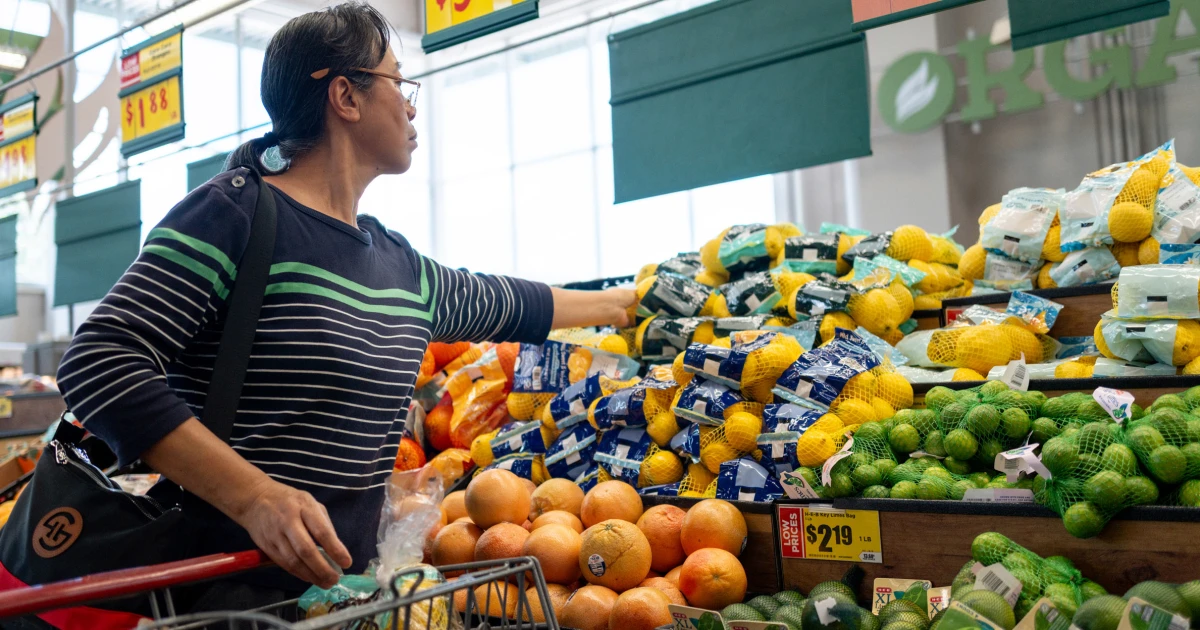
The principal contributor to this price surge appears to be fresh vegetables, which saw an extraordinary annualized increase of more than 44% compared to just three months prior. Other staples, including bread and milk, have also experienced more modest price hikes of 8% and 5%, respectively, during the same period.
Coffee and Beef Prices on the Rise
Price increases are not limited to vegetables; coffee and beef are also facing significant upward pressure. For coffee, adverse weather conditions in major producing countries like Brazil and Vietnam have disrupted supply, leading to an annual spike in prices exceeding 22% at grocery stores. Transportation costs and strong global demand further exacerbate this issue.
Challenges in Beef and Veal Production
Similarly, beef and veal prices are climbing, driven by a combination of record low herds and rising operational costs, including critical expenses like fuel and energy. These factors create challenges for ranchers who rely on diesel for essential farming operations. Will Harris, a fourth-generation livestock farmer from Bluffton, Georgia, reports that his beef prices have risen nearly 20% over the past two years due to these systemic pressures.
Impacts of Economic Disparities
While private consumption remains relatively stable—total credit and debit card spending per household rose 4.8% in April from the previous year—economic divides are becoming increasingly evident. A recent Bank of America report highlights a “K-shaped” recovery, where wealthier households are faring better while lower-income families struggle to maintain spending levels amid rising prices.
Inflation vs. Wage Growth and Its Implications
With inflation currently at 3.8%, outpacing wage growth of 3.6%, concerns grow about the disproportionate impact on low-income Americans. Economists caution that as basic goods prices continue to rise, the K-shaped economic divide may deepen, limiting discretionary spending among lower-income households. Reports indicate that while higher-income groups sustain their driving habits despite rising gasoline prices, economically disadvantaged families are forced to adapt through reduced travel and increased reliance on public transport.
The Economic Landscape Ahead
As the gap between wealthier and lower-income households continues to widen, the Federal Reserve faces potential challenges in managing inflationary pressures. Sustained high-interest rates could keep borrowing costs elevated, compounding the difficulties for consumers and businesses grappling with steep price increases. Looking ahead, Harris expresses uncertainty regarding the future of price trends, emphasizing that both farmers and consumers are navigating uncharted waters.
