


Africa’s Role in Shaping Climate Policy at UN Talks
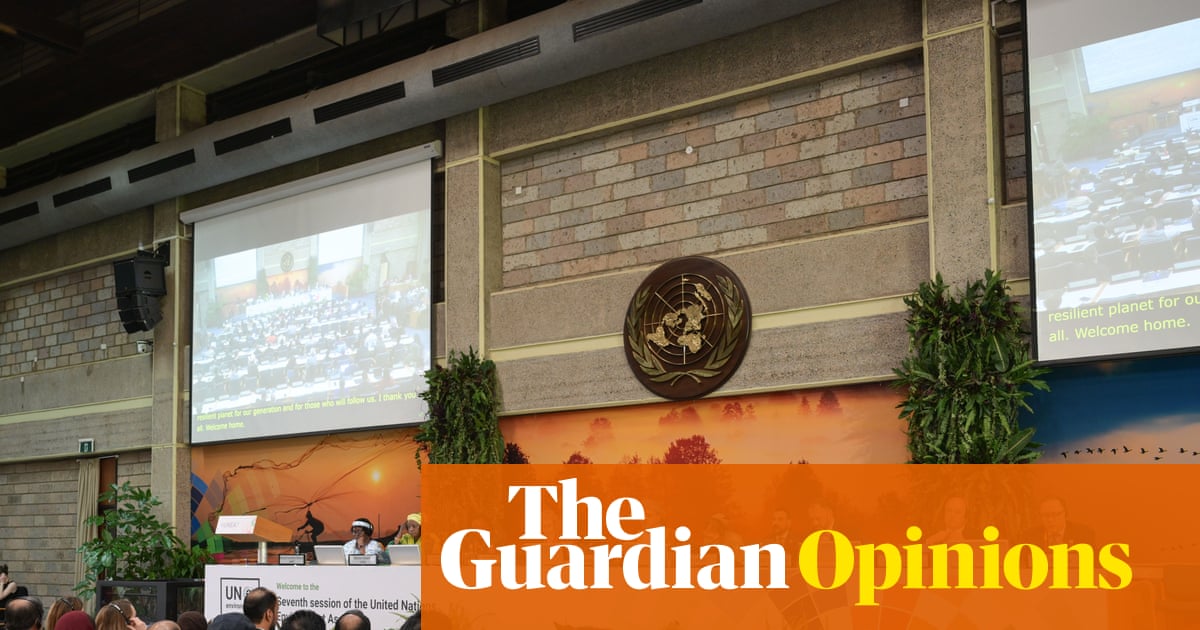
This week’s UN environment talks in Nairobi highlight Africa’s significant influence on global climate discussions. Diplomats from the continent are addressing the contentious proposal of solar geoengineering as a potential method to combat climate change. Although not formally on the summit’s agenda, critics argue that promoting solar geoengineering as a viable solution is misguided, a sentiment many find hard to dispute.
Concerns Over Solar Geoengineering
African nations are taking proactive steps to prevent their continent from becoming a testing ground for unproven methods that involve injecting particles into the upper atmosphere to reflect sunlight. They express concerns ranging from environmental and ethical implications to geopolitical ramifications. Accordingly, African leaders are advocating for a global agreement that prohibits public funding, field trials, patenting, and official promotion of solar geoengineering technologies.
Understanding the Risks of Solar Interventions
The rationale behind this cautious approach is clear. Solar geoengineering does not address the root issue—greenhouse gas emissions. It also poses potential risks such as altered rainfall patterns, which could threaten food systems. Moreover, if such interventions were to be halted abruptly, they could lead to a sudden rise in global temperatures, a phenomenon known as termination shock. Last year, strong opposition from African representatives successfully led to the withdrawal of a Swiss-backed resolution concerning solar radiation management at the UN talks.
The Growing Industry and Global Resistance
Despite the challenges, the industry surrounding solar geoengineering is gaining momentum. Companies from the U.S. and Israel are developing systems designed to offer “cooling services” to governments. Mexico has also taken a stand by banning solar geoengineering experiments this year, following unauthorized trials conducted by a U.S. startup on its soil.
Political Implications of Research Funding
In an alarming development, the UK has emerged as the first major government to provide substantial funding for solar radiation modification through its Advanced Research and Inventions Agency (Aria). This initiative supports research and small-scale trials for climate cooling technologies. Critics argue that this move is not only naive but also poorly managed, with insufficient evidence to ensure the safety of solar radiation modification, prompting calls for government withdrawal from such funding.
The Geopolitical Landscape of Climate Solutions
The intersection of politics and climate technology should not be overlooked. As the world’s leading oil and gas producer, the United States has positioned “energy superiority” at the center of its economic agenda. The feasibility of solar geoengineering presents a means to mitigate temperature-related risks while maintaining reliance on fossil fuels. This approach aligns well with the interests of the White House and its affluent supporters, who see value in controlling both energy supplies and global temperature regulation.
African Nations Advocating Responsible Climate Solutions
The push from African governments for non-use agreements on solar geoengineering reflects an understanding that certain technologies can rapidly shift power dynamics and create uncontrollable risks. This recognition draws parallels to global bans on landmines and chemical weapons, underscoring the necessity to prevent power from consolidating in the hands of a few. The precautionary principle, applied in other technology discussions, should similarly be considered in the realm of solar geoengineering.
Africa’s call for restraint in climate intervention strategies deserves serious consideration. This stance does not detract from the urgency of climate action; rather, it emphasizes a commitment to addressing the climate crisis through sustainable practices. Key focuses include reducing fossil fuel consumption, investing in renewable energy sources, and providing funding for adaptation in areas already impacted by climate change.
